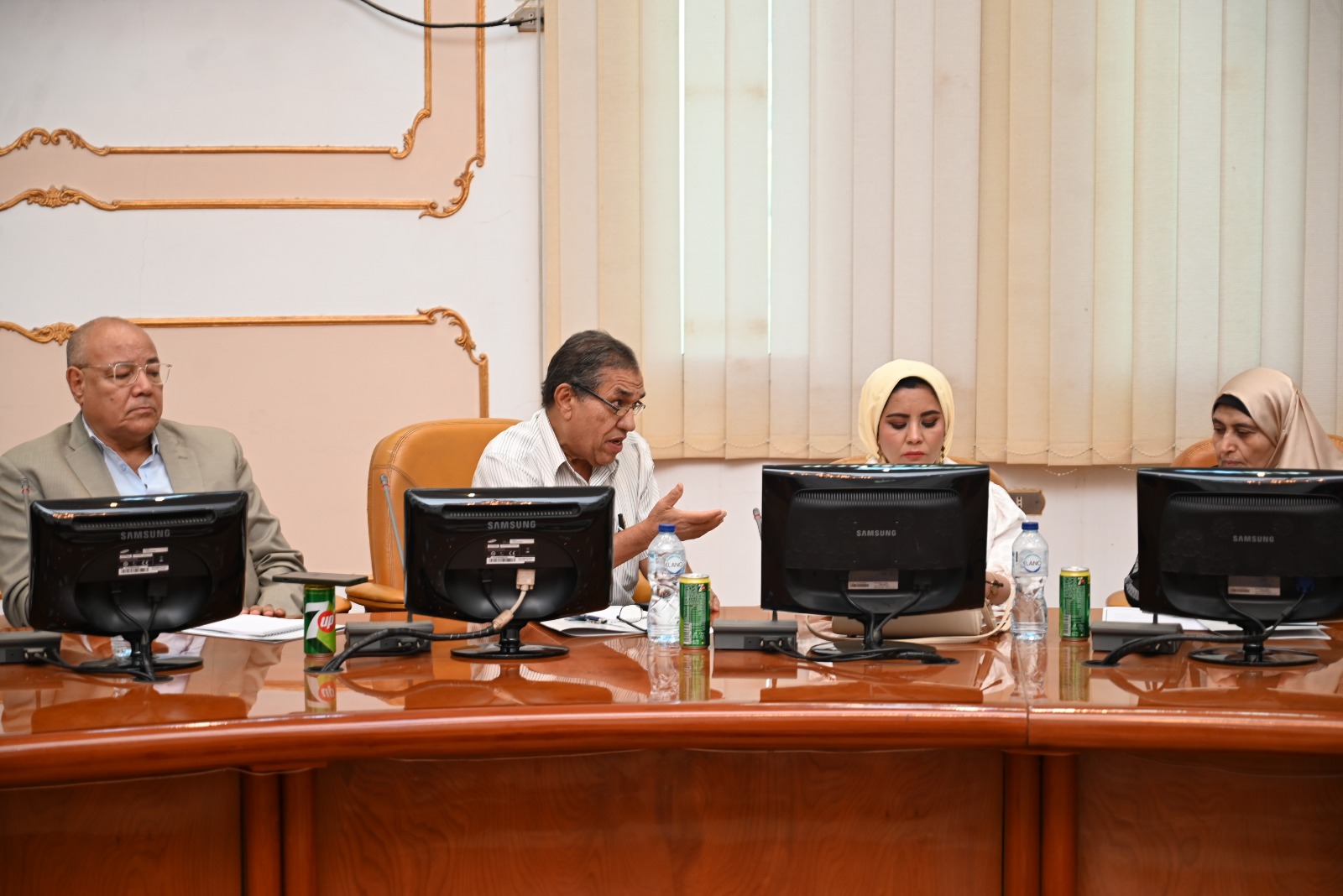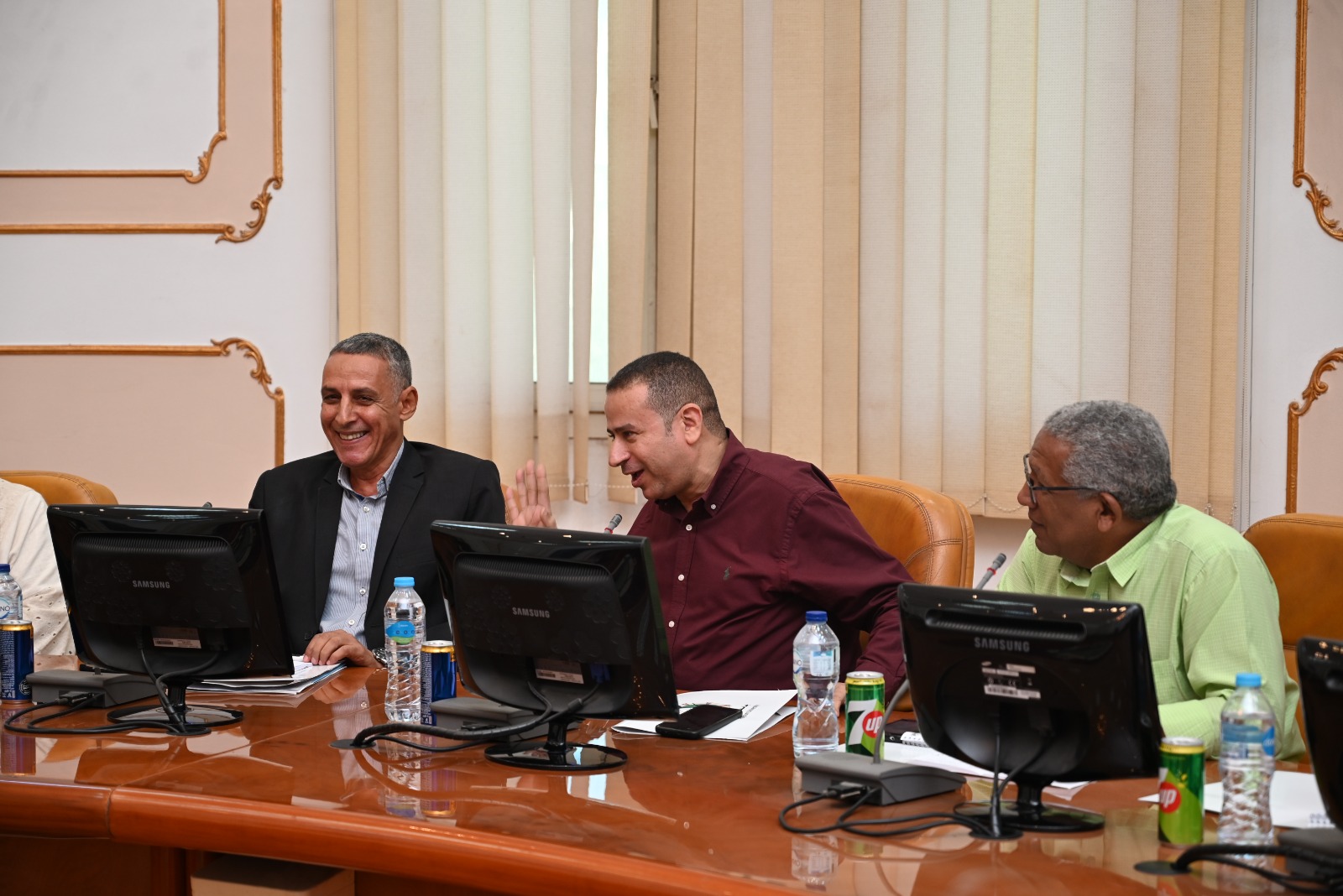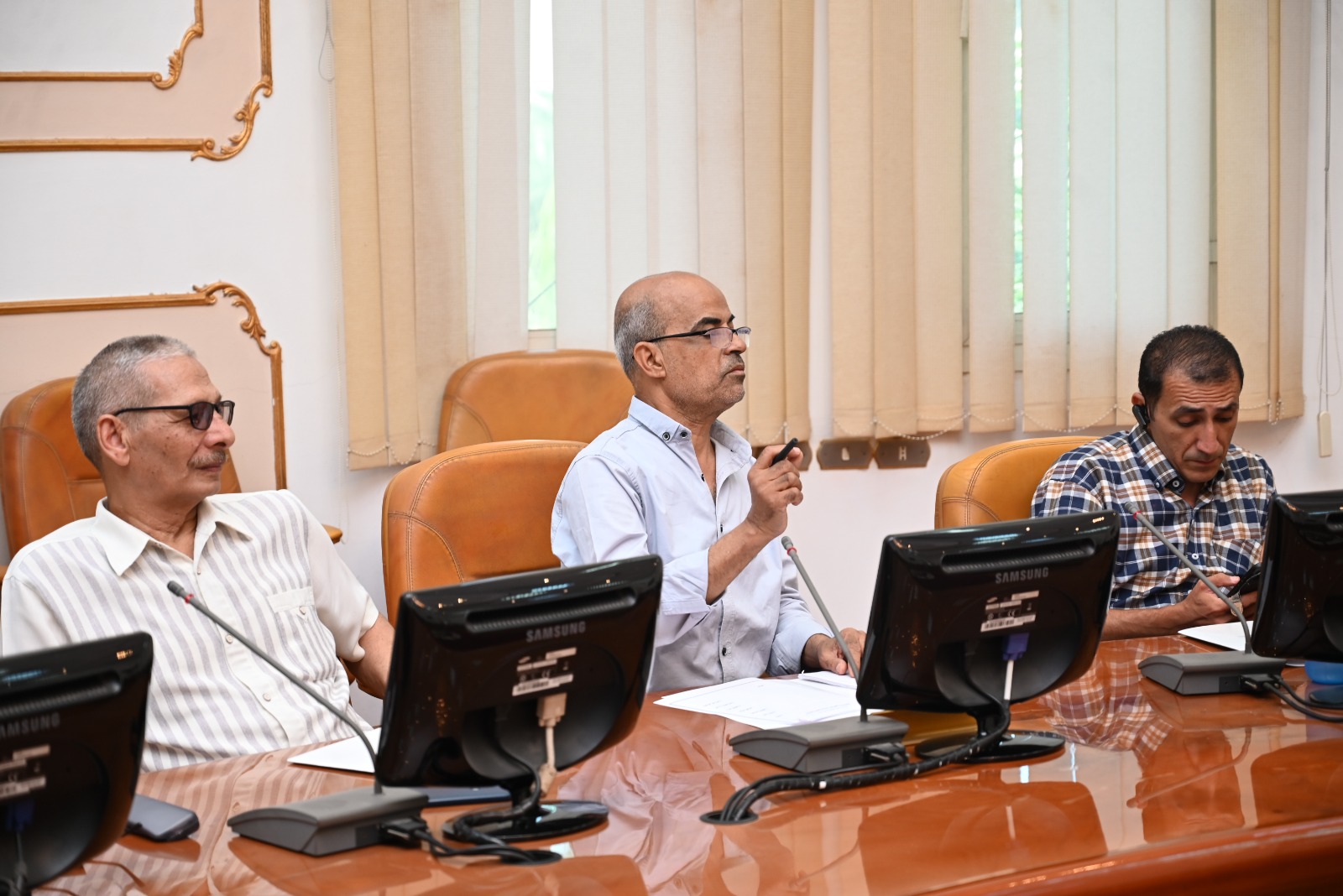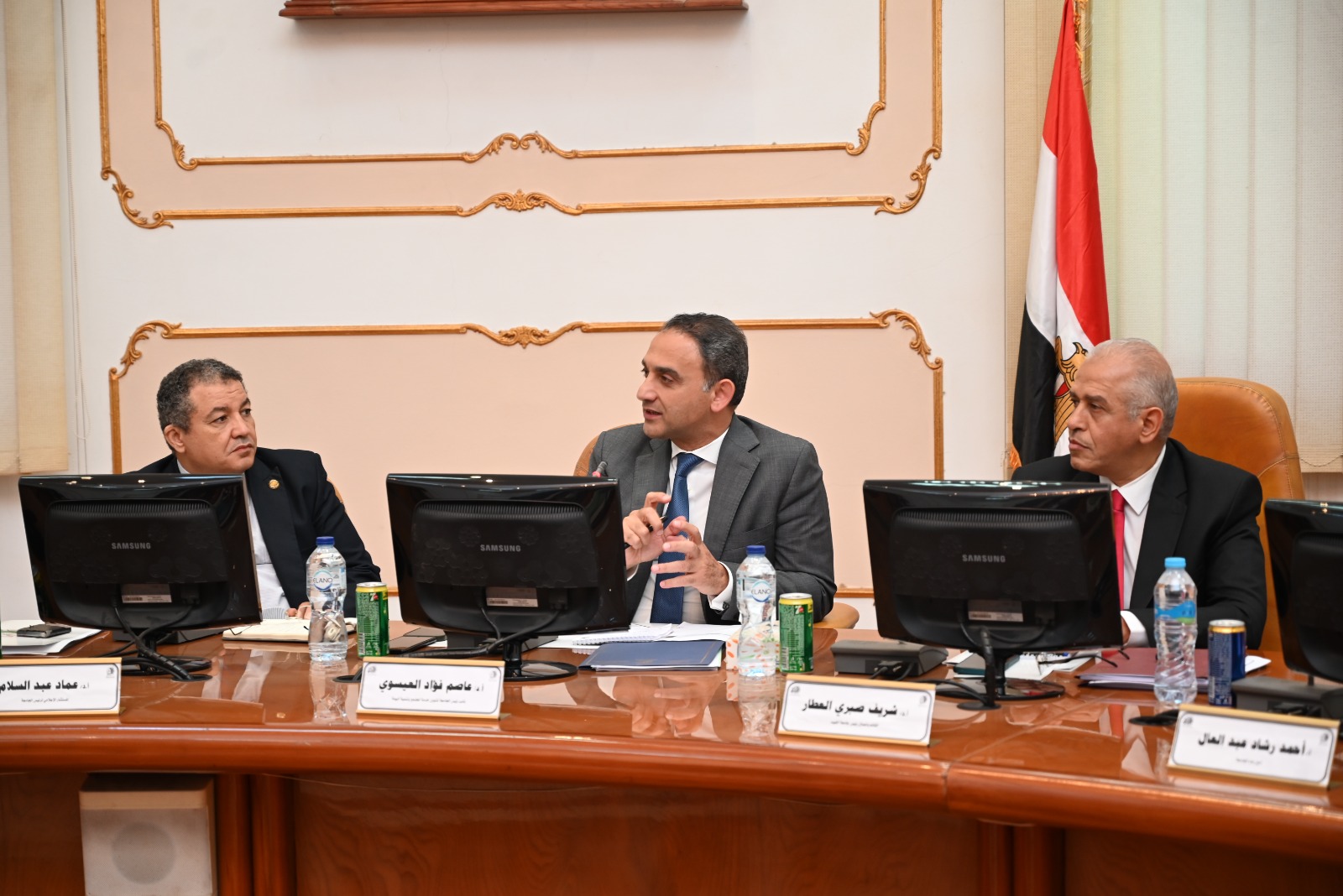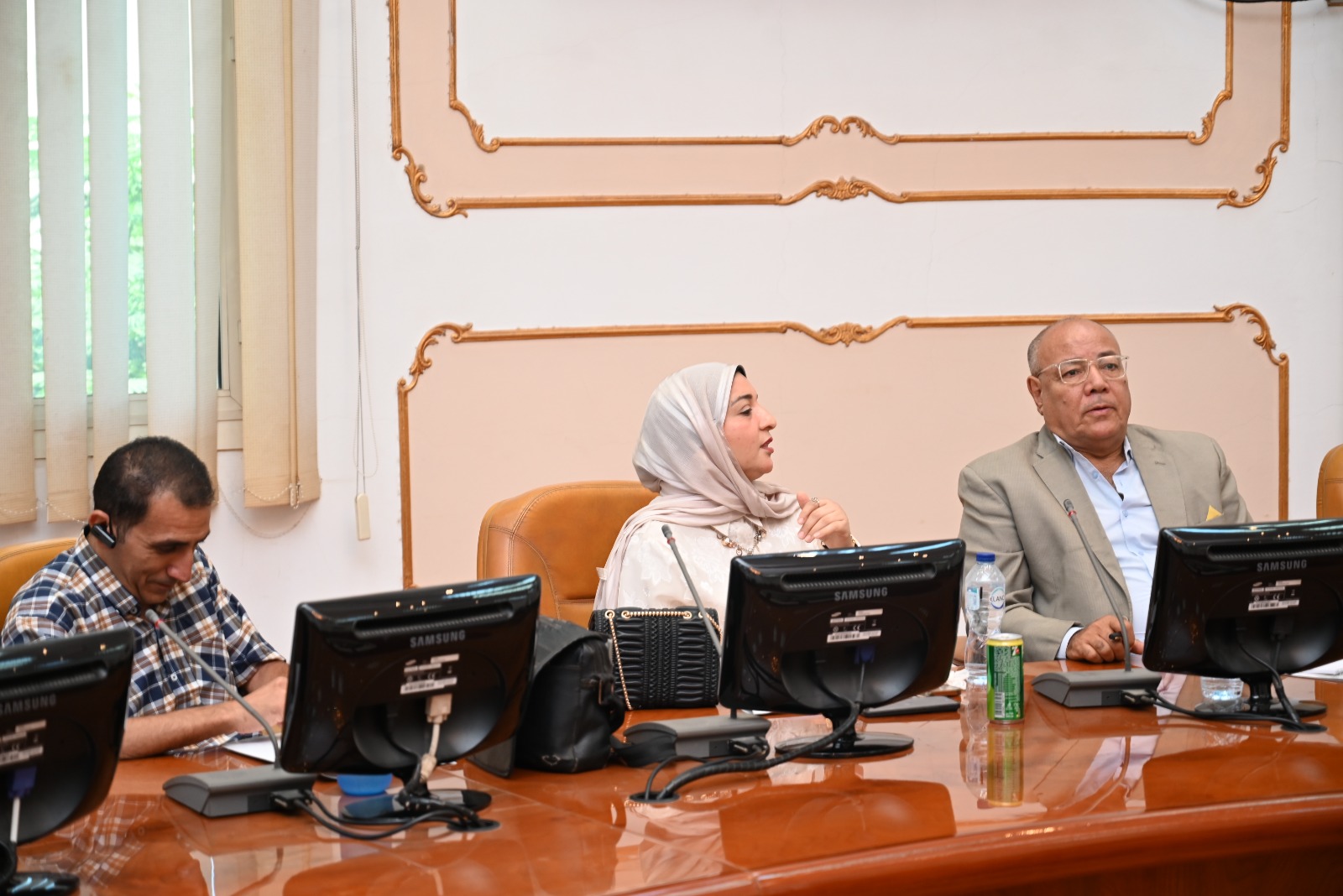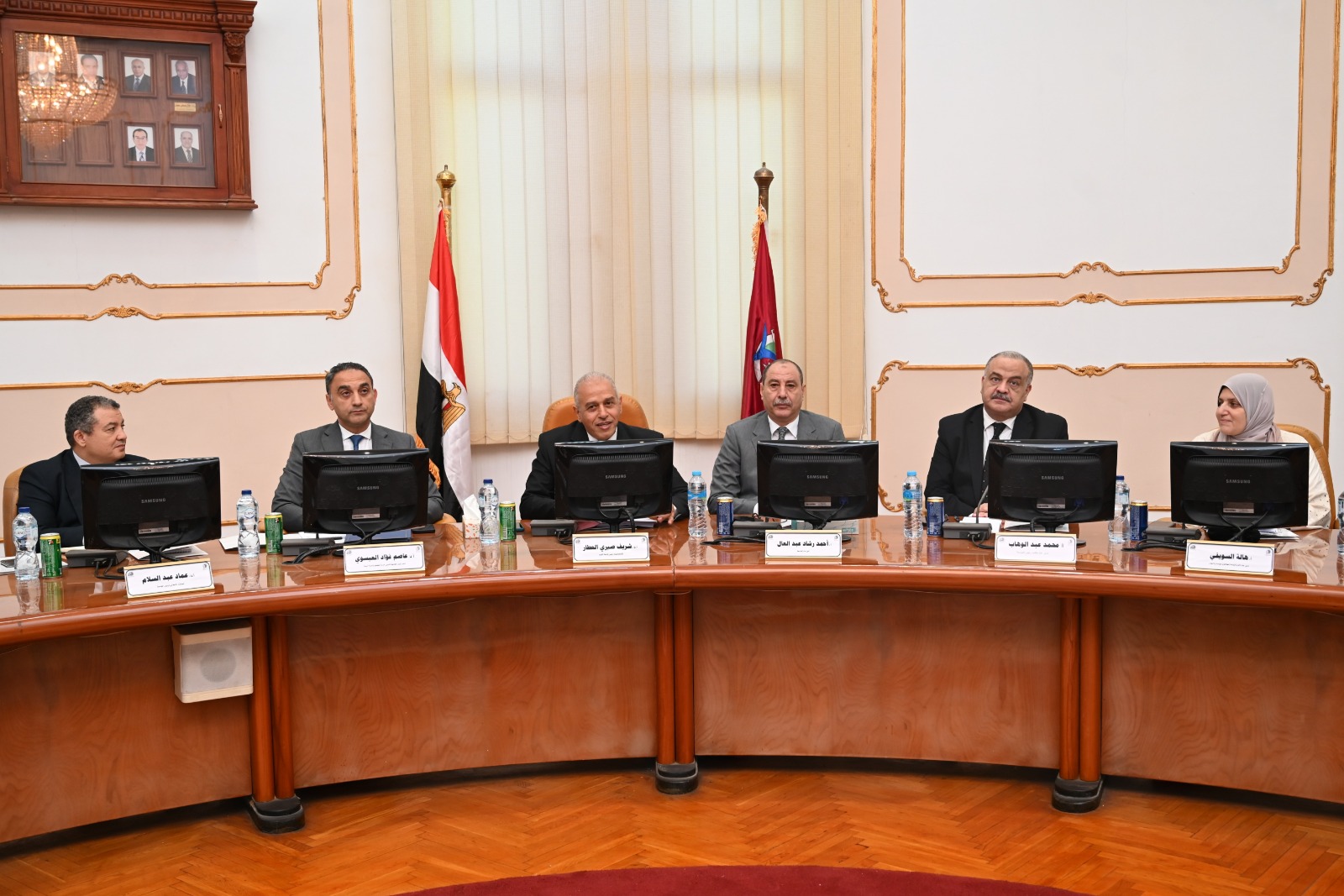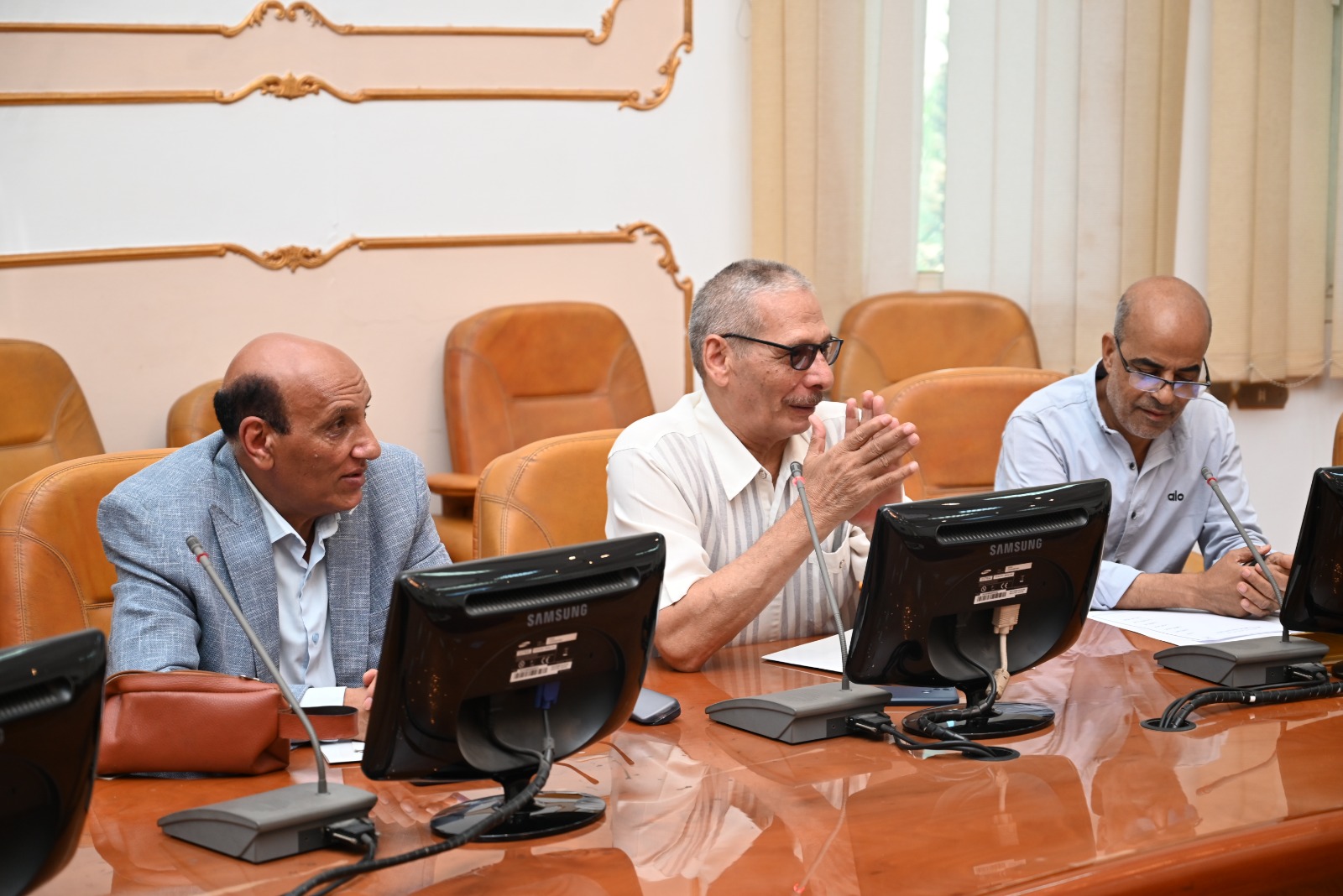

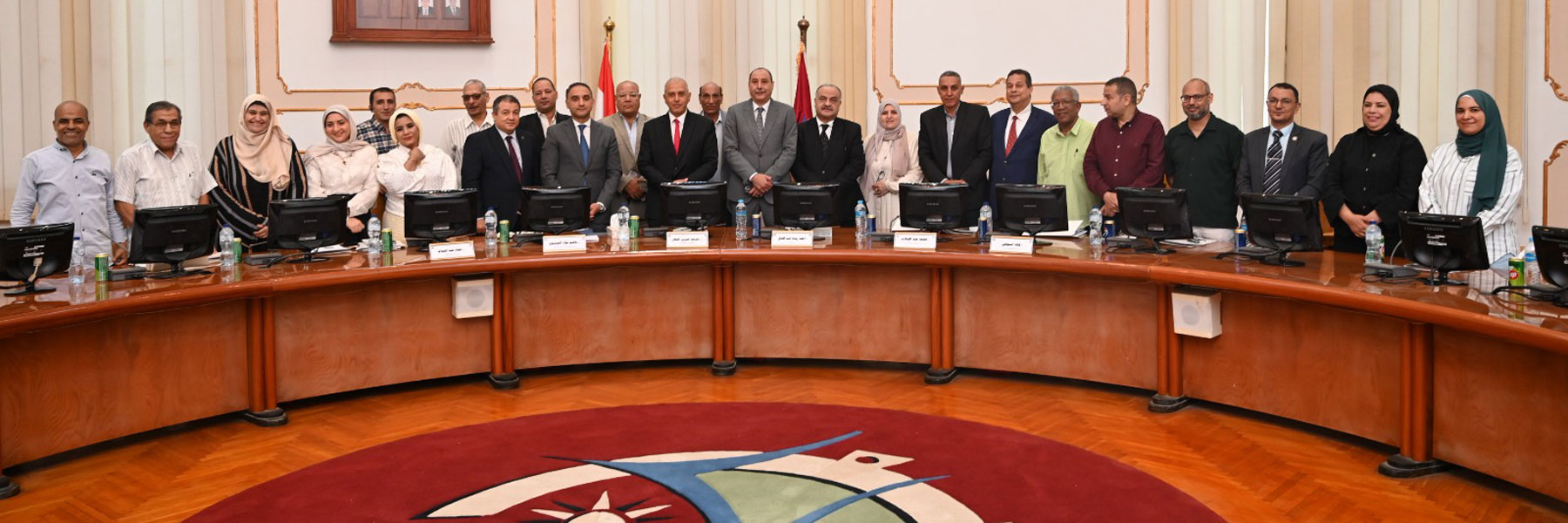
Prof. Sherif
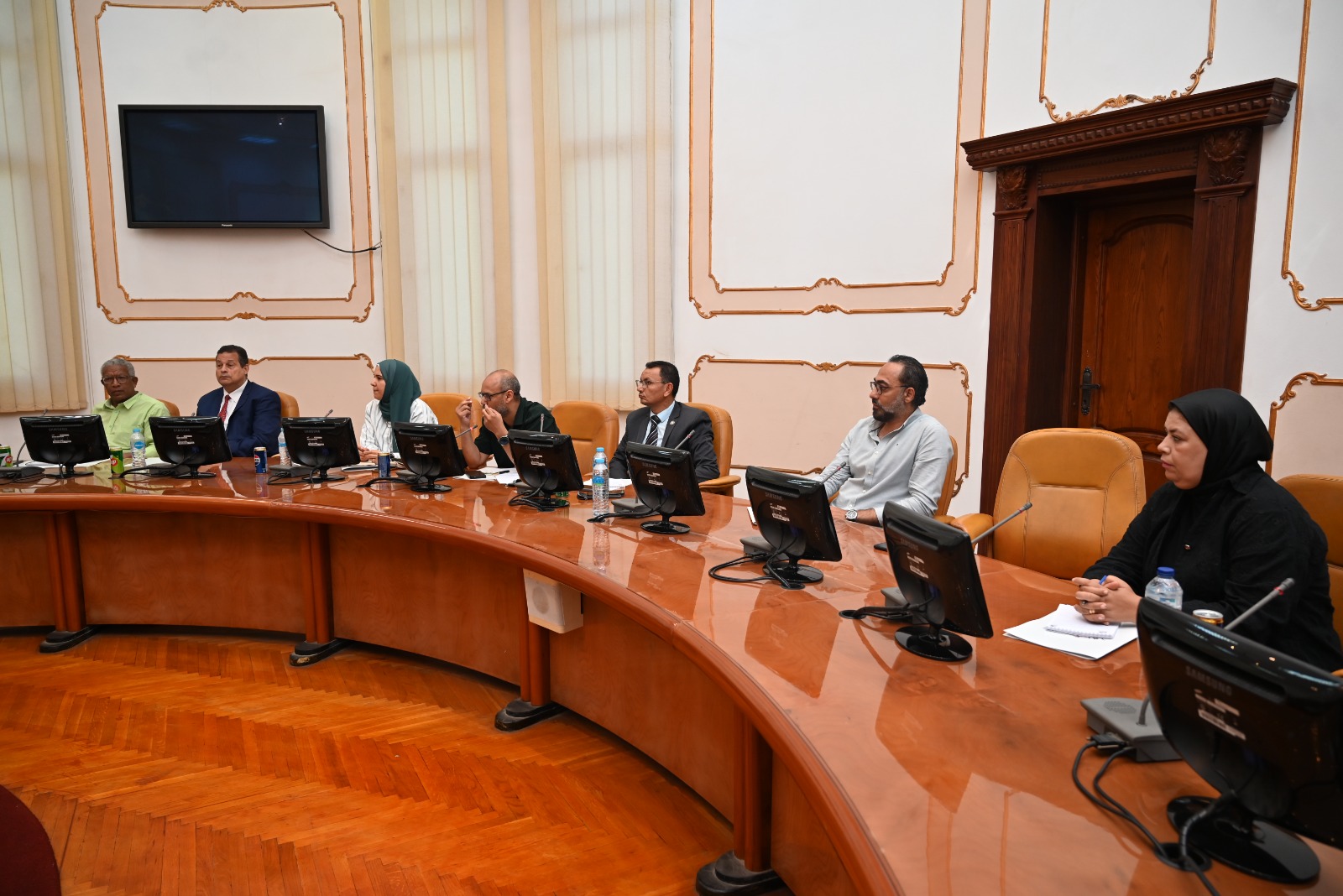
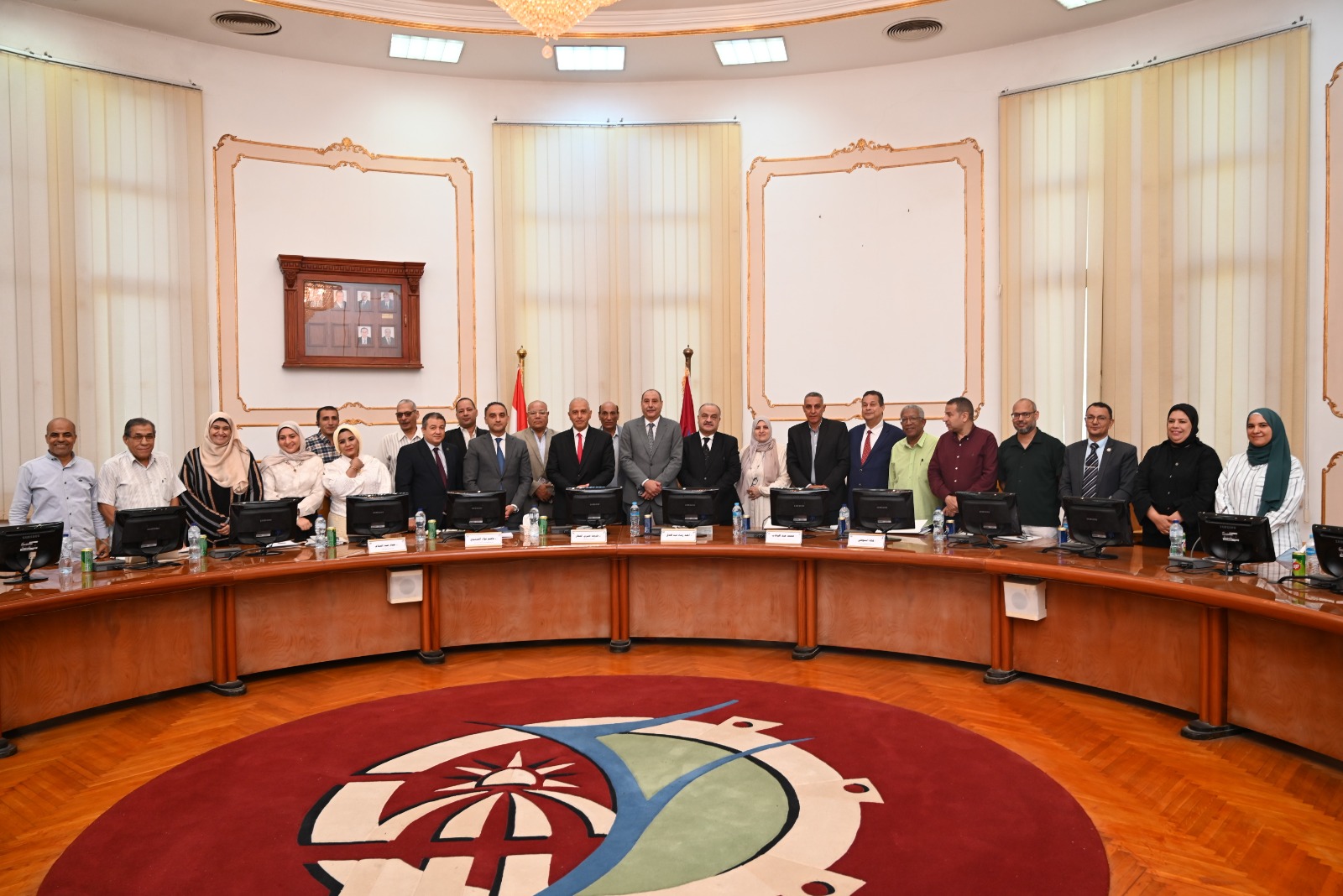
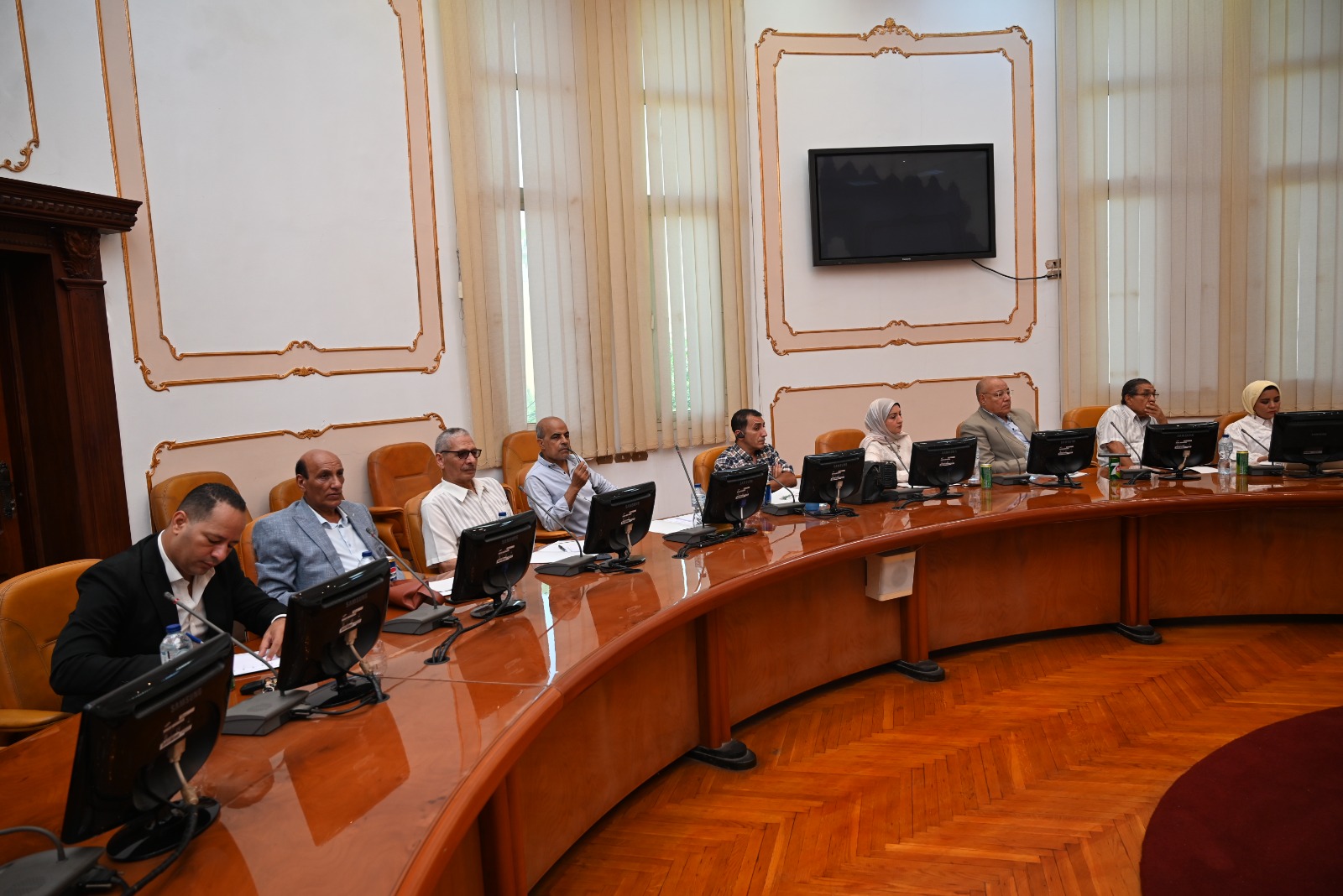
Mohamed Sabry El-Attar, Acting President of Fayoum University, held an
extensive meeting with representatives of the Egyptian press and media. The
meeting took place today, Tuesday, September 15, 2026, in the University
Council Hall, and was attended by Prof. Assem Fouad El-Essawy, Vice President
for Community Service and Environmental Development; Mr. Ahmed Rashad,
University Secretary-General; Prof. Emad Abdel-Salam, Media Advisor to the
University President; Ms. Hala El-Sweify, Director General of Public Relations
and Media; Mr. Mohamed Abdel-Wahab, Director General of the University
President’s Office; and a number of journalists and media professionals.
At the
start of the meeting, Prof. Sherif El-Attar welcomed the attendees to Fayoum
University, appreciating their participation in an event that coincides with
the beginning of the new academic year (2026/2027)—a year characterized by high
aspirations, clear goals, and a genuine determination to work and achieve
results.
He
noted that the university is preparing for the new academic year with a fresh
mindset focused on development, readiness, and competitiveness. Preparations
began early to welcome students, ensuring that the first day of classes is
fully ready in terms of infrastructure, lecture halls, laboratories, academic
schedules, student services, security and safety, and an educational
environment befitting the students, faculty members, and staff. He explained
that the vision extends beyond the mere smooth operation of academic studies;
rather, it aspires to create a university that shapes the future rather than
waiting for it. This is achieved by placing the student at the heart of the
development process, aiming to graduate individuals equipped with knowledge,
skills, and the capacity for critical thinking, creativity, and teamwork.
Graduates will be proficient in utilizing technology and artificial
intelligence, as well as in entrepreneurship. The university is committed to
providing a safe, equitable, and stimulating environment that fosters character
development, fulfilling its role of molding individuals capable of shouldering
responsibility and serving their nation. This is supported by advanced academic
programs aligned with labor market needs and future job requirements, alongside
a strong emphasis on scientific research, innovation, and linking academic
knowledge with societal needs and development plans—thereby preparing graduates
to compete effectively in both local and international labor markets.
Concluding
his remarks, Prof. Sherif El-Attar noted that realizing this vision requires a
spirit of teamwork. He emphasized that the university’s doors are open to
dialogue and collaboration with all stakeholders, and highlighted the media’s
role as a key partner in raising awareness, correcting misconceptions,
showcasing achievements, and addressing challenges with objectivity and
professionalism. He welcomed constructive criticism, noting that transparency
is the foundation of trust and that true achievement is measured by the impact
felt by students, faculty members, staff, and the community at large. He
expressed his hope that the new academic year would be a year of knowledge,
hard work, and accomplishment, bringing further progress and excellence to the
university and its community—a university that honors its past, builds its
present, and shapes its future alongside its people.
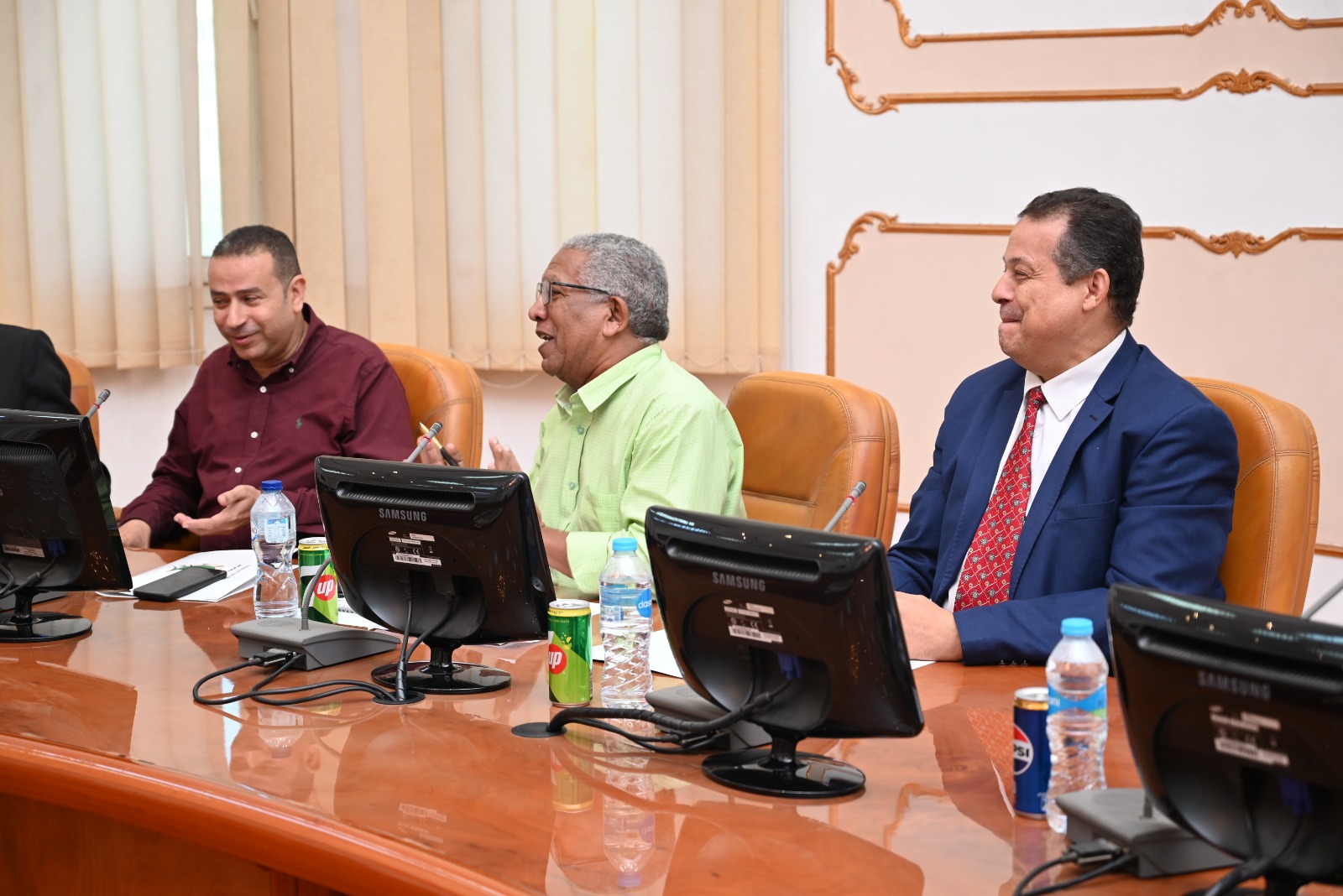
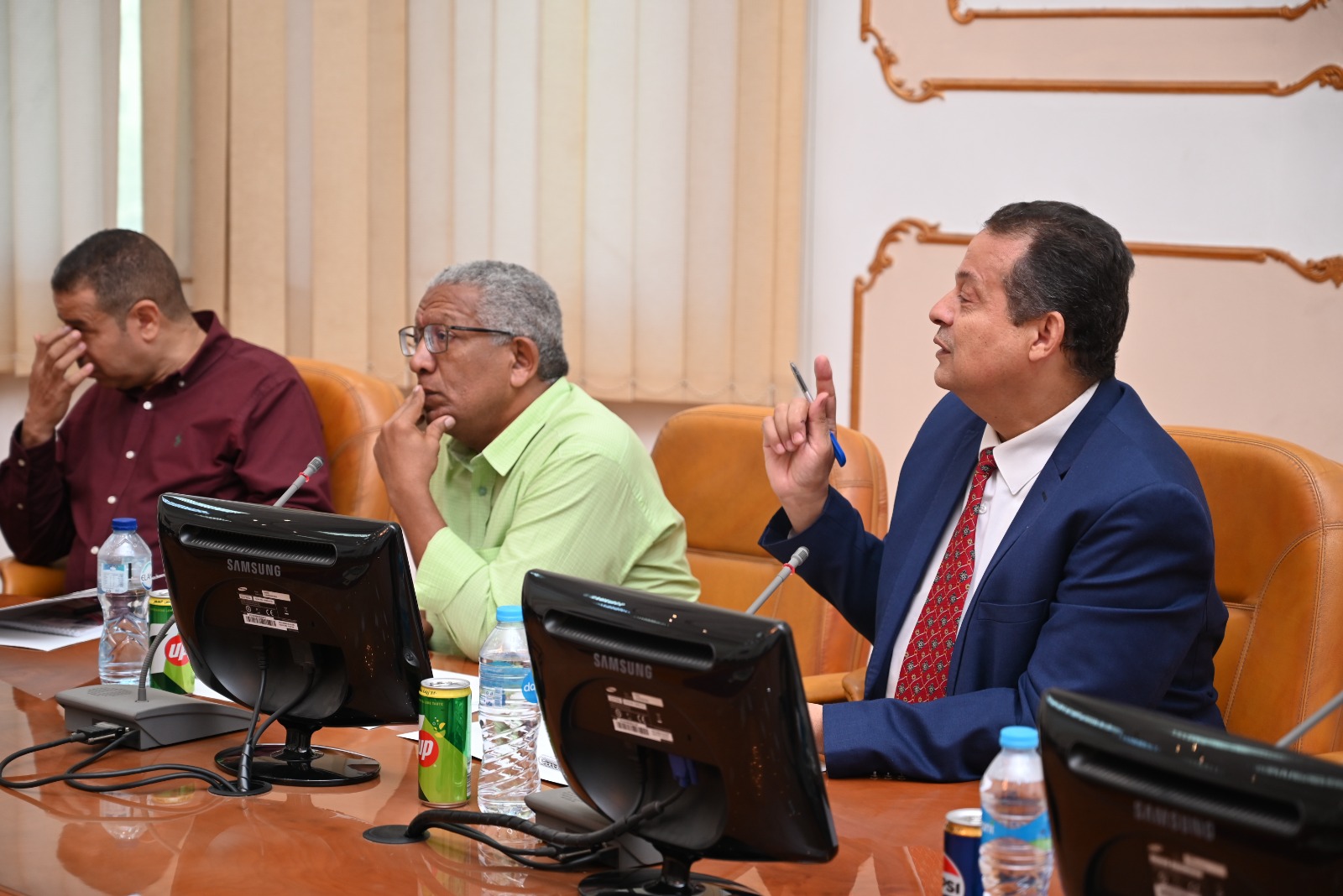
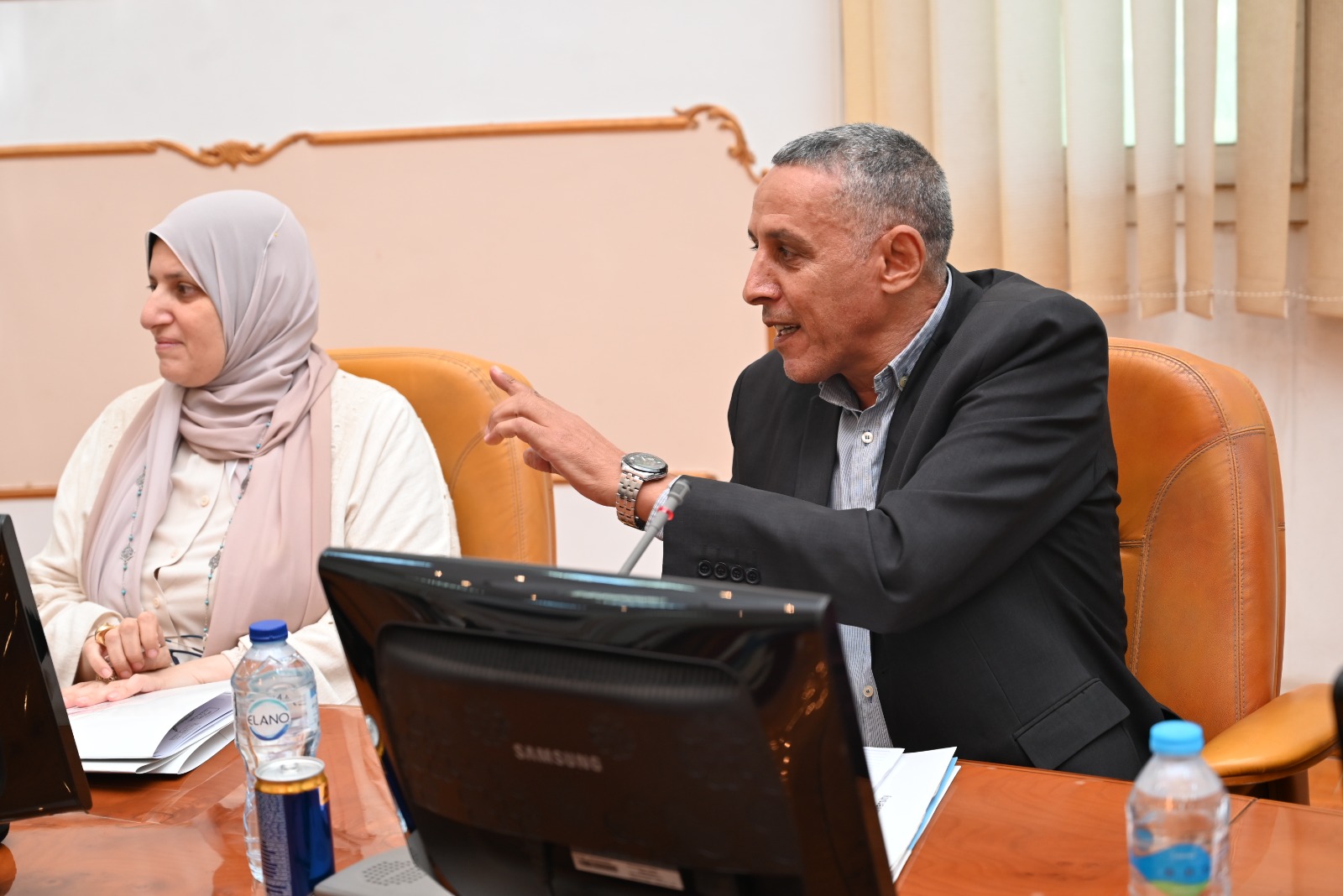
Following
the address, the floor was opened for discussion, and Prof. Sherif El-Attar
answered questions from the audience. Regarding Fayoum National University, he
explained that its current location is temporary, pending the completion of the
university’s permanent campus in New Fayoum City. The university currently
offers ten academic programs; applications are submitted via the official
university website, and selection is based on established regulations and the
applicants' total scores.
Discussing
preparations for the new academic year and university housing, he noted that
the university is fully prepared to welcome both new and returning students.
Lecture halls, auditoriums, and laboratories have been readied, and campus
development work is proceeding at full speed—including the preparation of
parking areas, infrastructure upgrades, landscaping, and the creation of open
spaces for students. Additionally, the main gates and perimeter walls are being
renovated in cooperation with the governorate to align with the university's
visual identity. He also confirmed the readiness of the university dormitories
to accommodate approximately 2,100 students, emphasizing the university's
commitment to providing high-quality housing. Although the actual cost of
accommodation exceeds 6,000 EGP per month, students pay no more than
one-quarter of this amount, with the university covering 75% of the actual
cost. He added that the university is also preparing hotel-style accommodation
for faculty members from outside the area.
He also
addressed new programs across the university's various faculties, explaining
that the university is considering the establishment of several new departments
and programs based on available physical and human resources, as well as the
programs' practical feasibility.
For his
part, Prof. Assem Al-Essawy stated that Fayoum University plays a pivotal role
in serving the local community and Fayoum Governorate. During the past year,
the university organized monthly medical, veterinary, and public awareness
convoys in cooperation with the Ministry of Health. These initiatives provided
medical services to over 14,466 citizens and delivered 25,000 veterinary
services—including free examinations, medications, and vaccines—to small-scale
livestock breeders in the governorate’s villages.
Addressing
the medical sector, he highlighted its importance in serving the residents of
Fayoum. He noted that the sector is currently undergoing significant
development to ensure university hospitals deliver medical services to the
highest standard; these hospitals serve as a vital lifeline for many patients
from both the local governorate and neighboring regions. Despite the high
volume of patients receiving treatment, the quality of care remains
uncompromised, as the service is driven by a mission to uphold the Egyptian
medical code of practice.
He also
mentioned that the Faculty of Agriculture’s sales outlets are currently being
upgraded and stocked with new products to ensure optimal quality at affordable
prices. Furthermore, the Faculty is developing its farms in Demo, where grape
and fruit seedlings have been planted and livestock and poultry farms have been
activated to serve the local community.