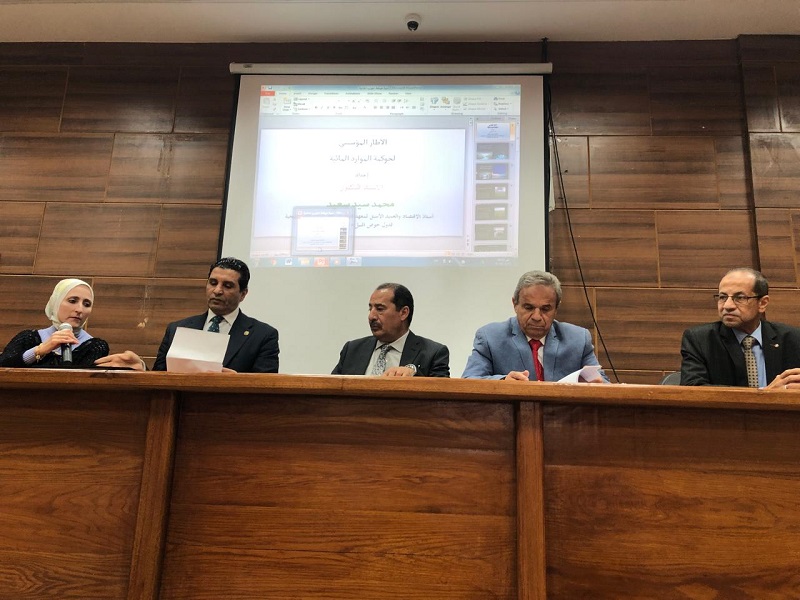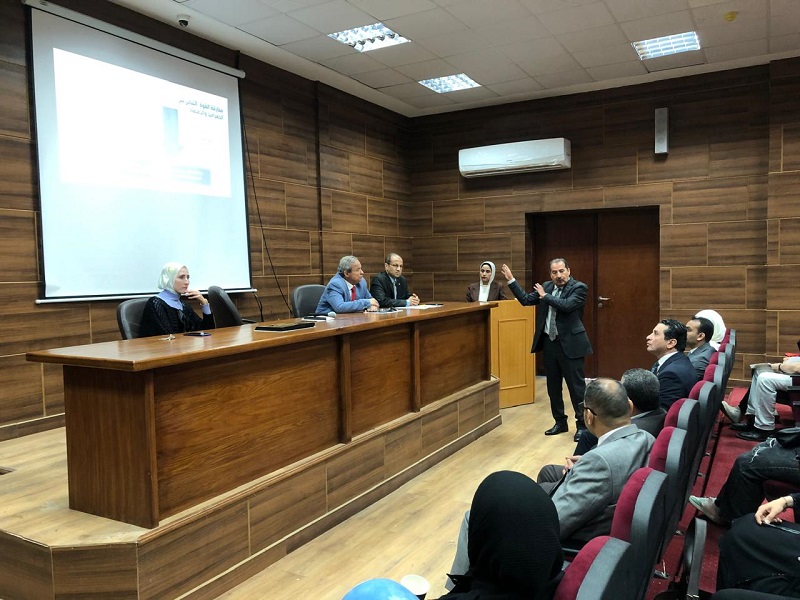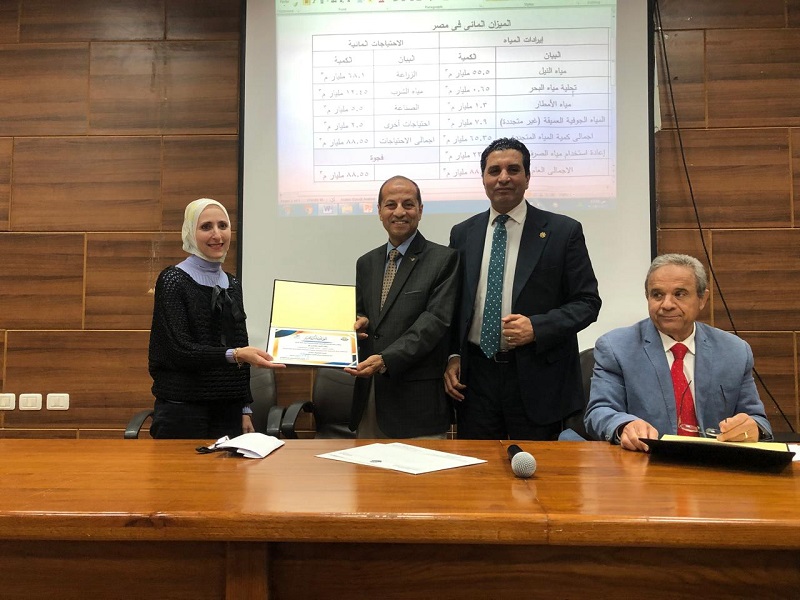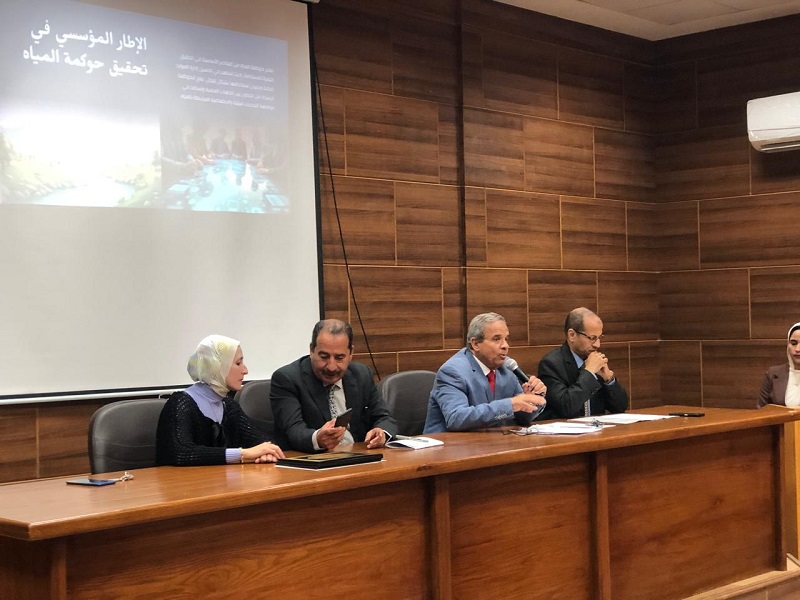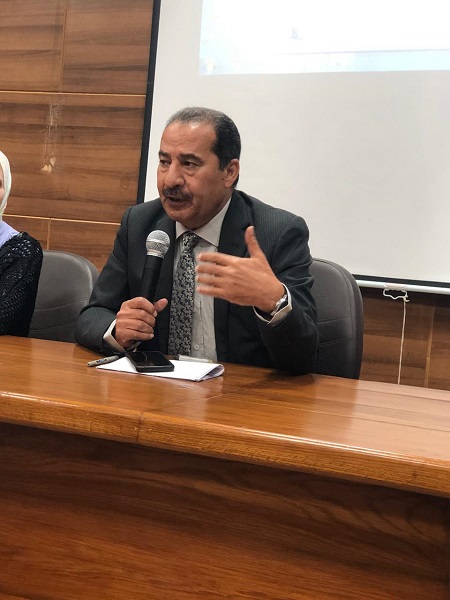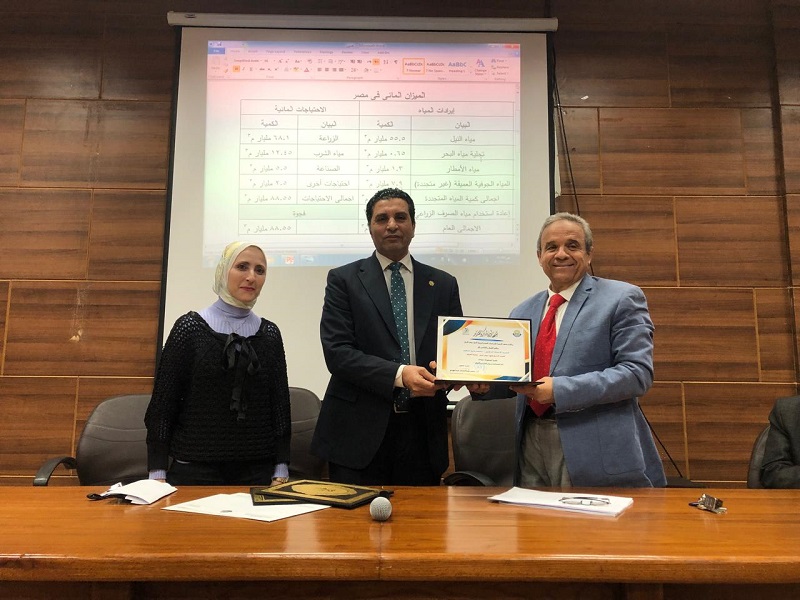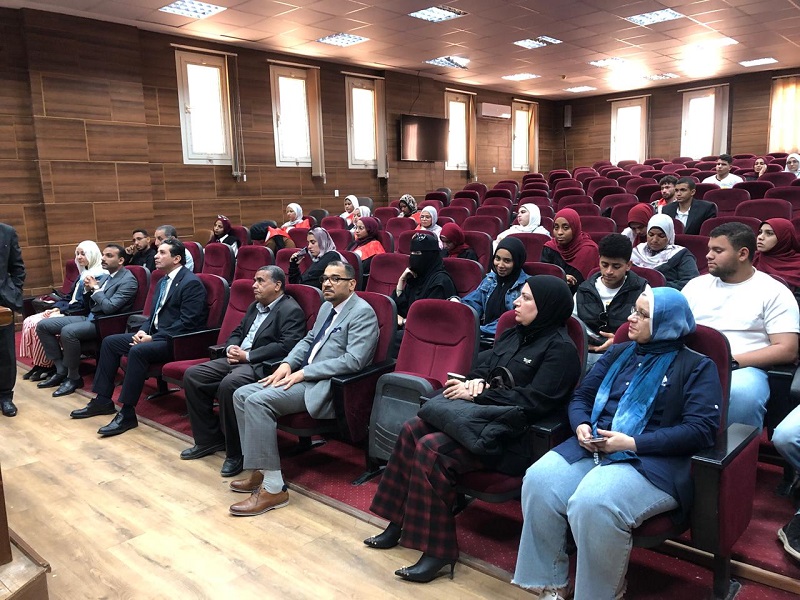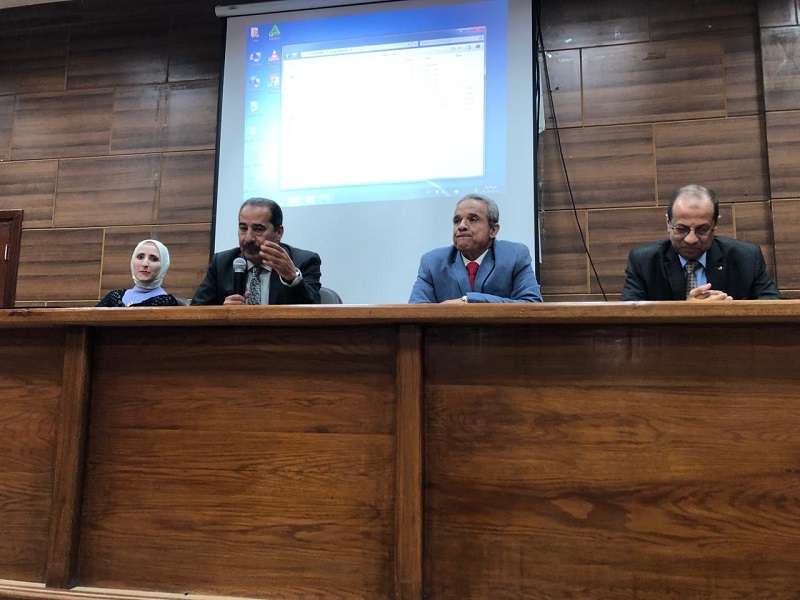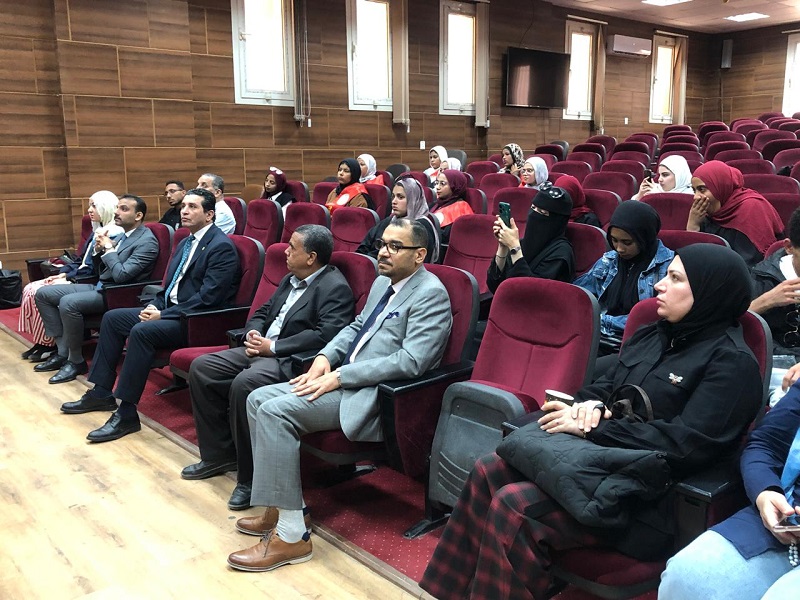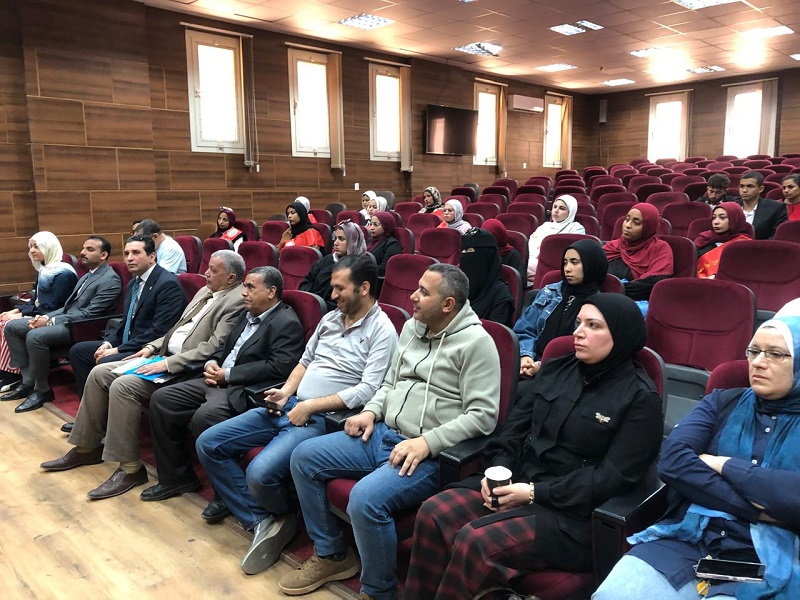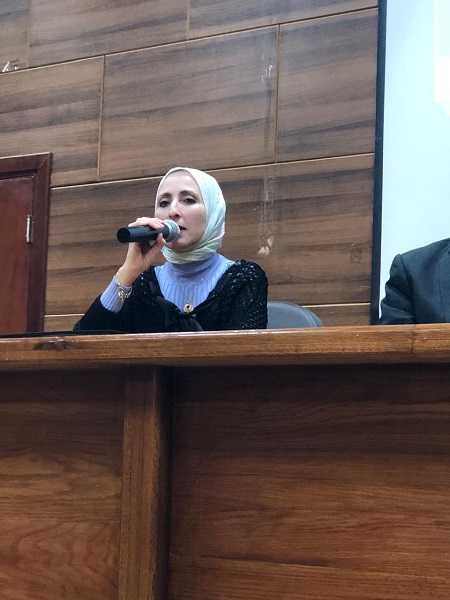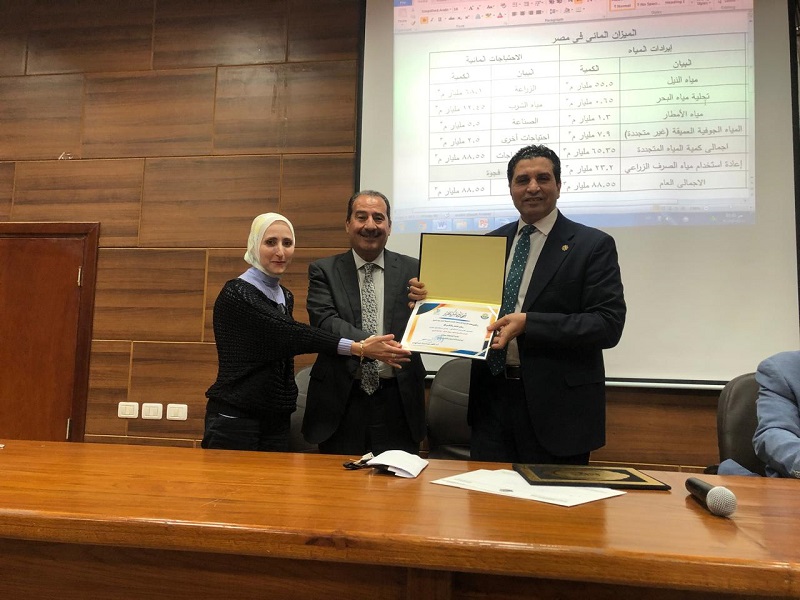

Under the patronage of Prof. Dr. Yasser Magdy Hatata, President of Fayoum University, and the supervision of Prof. Dr. Assem Fouad El-Essawy, Vice President for Community Service and Environmental Development, and Prof. Dr. Nasser Abdel Sattar Abdel Hady, Dean of the Institute, the Institute of Research and Strategic Studies for Nile Basin Countries organized an awareness seminar titled “Water Resources Governance in Nile Basin Countries” on Monday, April 27, 2024, at the Institute’s Conference Hall, attended by a select group of professors, experts, faculty members, administrators, and students.The seminar featured Prof. Dr. Mohamed Sayed Saeed, Professor of Agricultural Economics and former Dean of the Institute; Prof. Dr. Adly Saadawy, Professor of Agricultural Economics and former Dean of the Institute; and Prof. Dr. Khaled Fahmy Abdel Tawab, Advisor to the Center for Strategic Studies of the Armed Forces at the Military Academy, with the participation of Dr. Eman Fathy Abdou El-Hamamsy, Vice Dean for Community Service and Environmental Development.Prof. Dr. Nasser Abdel Sattar Abdel Hady opened his speech by thanking the university administration for its continuous support, stressing that the issue of water resources governance has become a strategic necessity, not an option, amid the growing challenges facing the Nile Basin region. He emphasized the importance of strengthening regional cooperation to achieve sustainable water management that ensures water security and comprehensive development.For her part, Dr. Eman El-Hamamsy welcomed the attendees and presented an introductory overview of the concept of governance, its origins, and its importance, noting its connection to Sustainable Development Goal 16 and Egypt Vision 2030. She affirmed that water is the basis of life and that water resources governance is a fundamental pillar for maximizing the use of available resources.In his speech, Prof. Dr. Mohamed Sayed Saeed addressed the concept of water resources governance as an integrated system of policies, regulations, and institutions that organize water management sustainably, achieving balance among social, economic, and environmental dimensions. He reviewed the key challenges facing this issue, including water scarcity, climate change, pollution, and population growth, stressing the need to develop legislation, increase funding, enhance institutional coordination, and build capacities.Prof. Dr. Adly Saadawy reviewed the structural challenges associated with water governance in the Nile Basin, explaining that the issue is not limited to resource scarcity but extends to how it is distributed amid conflicting interests among countries. He pointed to the absence of binding frameworks, lack of transparency, and power imbalances as major obstacles to achieving effective governance.Prof. Dr. Khaled Fahmy Abdel Tawab discussed the Egyptian state’s efforts to promote sustainable water resources management through adherence to international law, implementation of major hydraulic projects, canal lining, waterway dredging, water treatment, and combating encroachments, all contributing to achieving water security.At the conclusion of the seminar, the floor was opened for discussion to answer attendees’ inquiries, which saw fruitful interaction, followed by honoring the distinguished guests in appreciation of their scientific contributions and efforts to enrich dialogue on one of the region’s most important strategic issues
Activities of the Seminar on Water Resources Governance in Nile Basin Countries at the Institute of Research and Strategic Studies