
Under
the patronage of Dr. Ahmed Al-Ansary, Governor of Fayoum, and Prof. Yasser
Magdy Hatata, President of Fayoum University, and under the supervision of Prof.
Assem El-Essawy, Vice President of the University for Community Service and Environmental
Development, the General Administration for Community Service and Environmental
Development organized a veterinary caravan in Ezbet Saad, Demo Village Local
Unit, under the supervision of Mr. Abdel Nasser Bakry, Director General of the
Community Service and Environmental Development Sector, in cooperation with the
Fayoum Veterinary Directorate, the Veterinary Syndicate, the Food Inspection
and Control Department of the General Administration of University dormitories,
and the University's Problem Monitoring Unit. The caravan took place on Sunday,
February 15, 2026.
It is
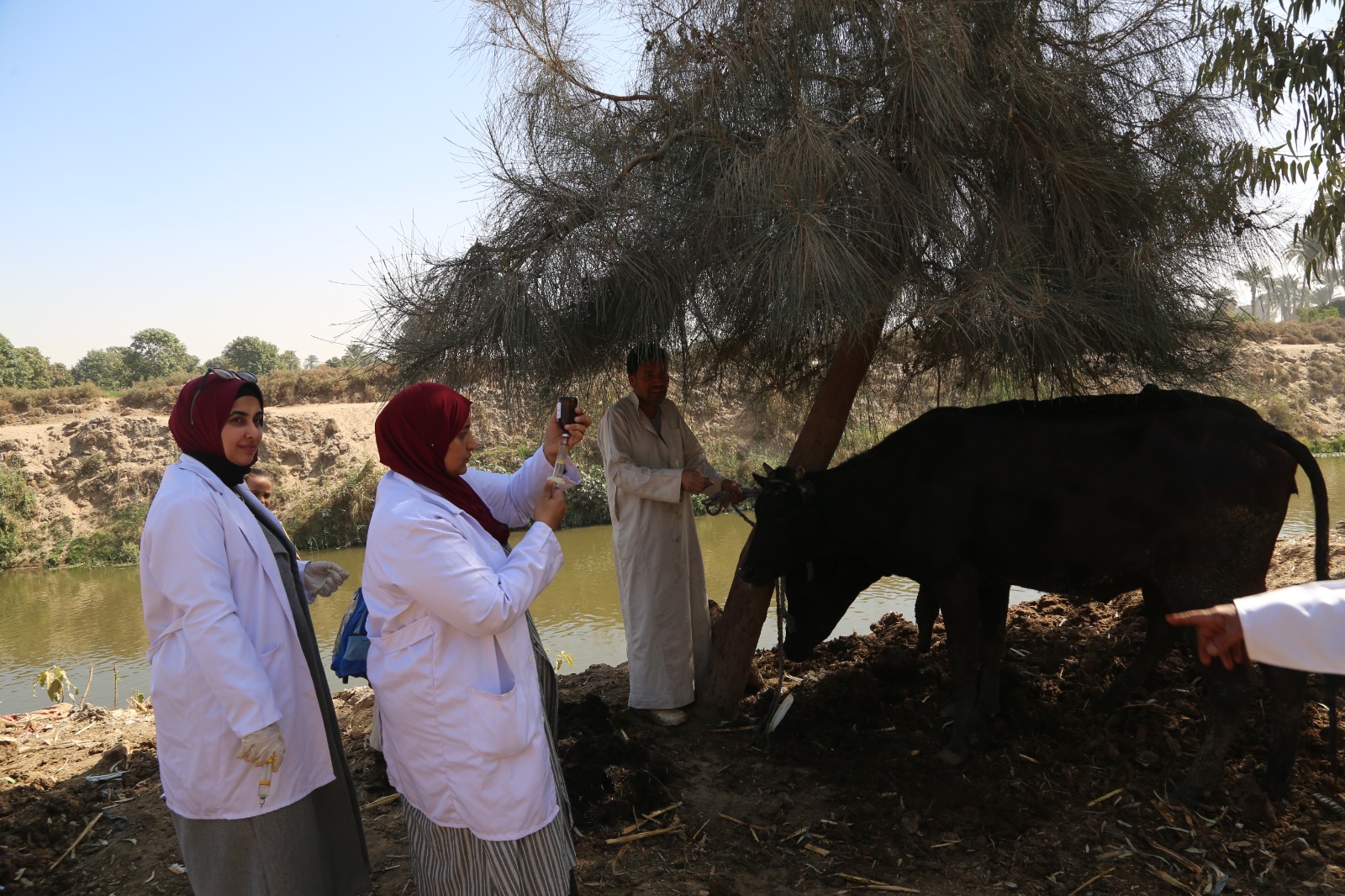
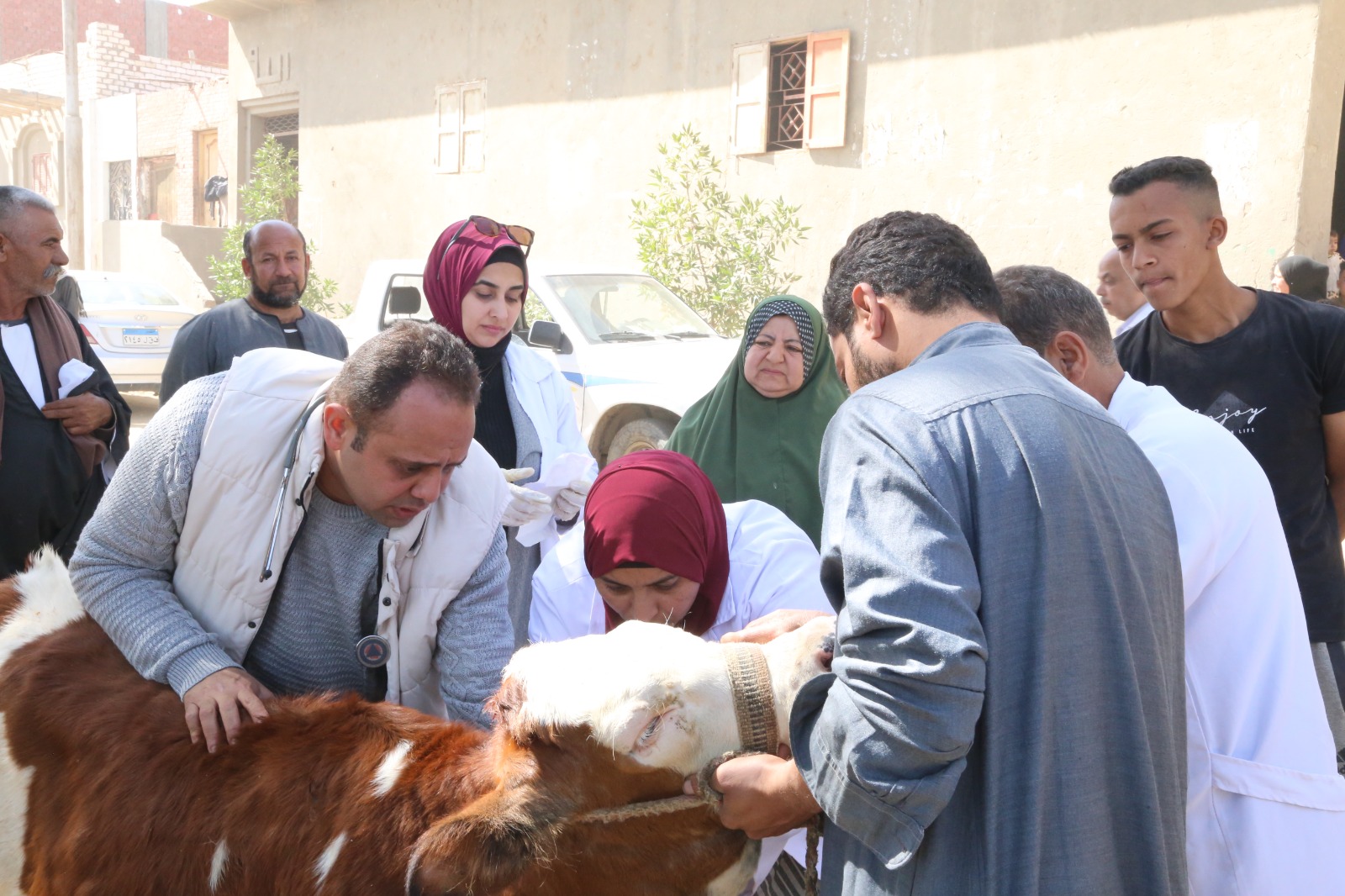
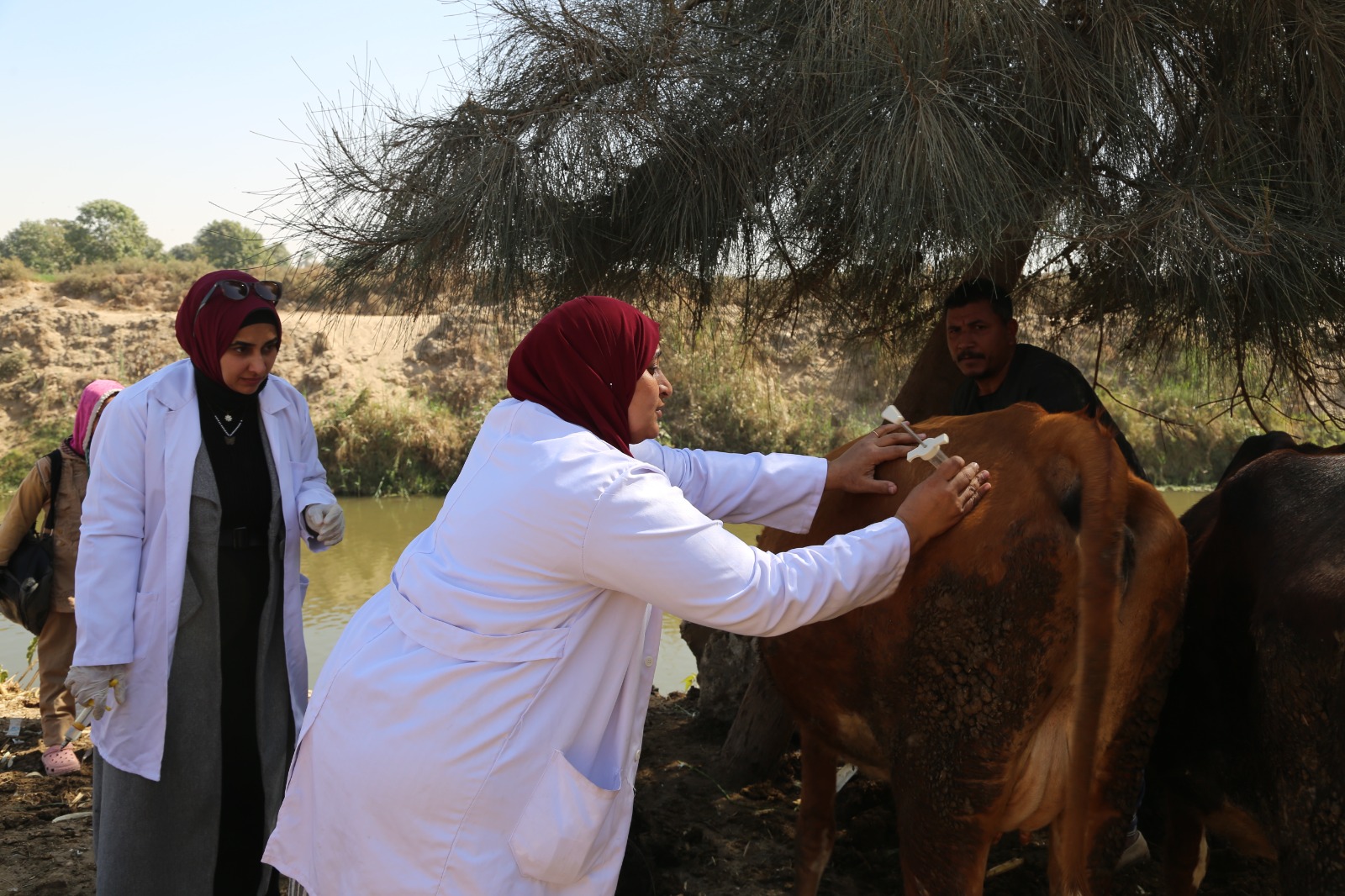
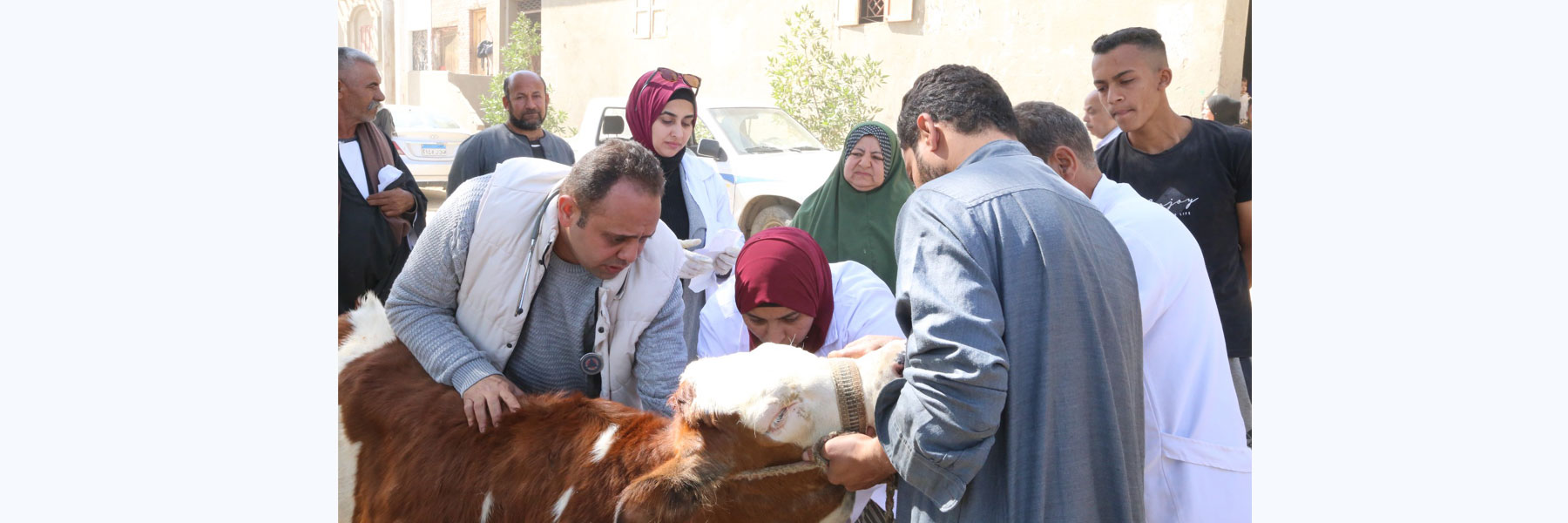
worth noting the participation of a comprehensive medical team of
veterinarians, along with a number of specialists. This caravan is part of a
series of veterinary caravans organized by the university in several villages
of the governorate to provide free diagnostic and treatment services. A total
of 4,757 cases of cattle, sheep, and poultry were examined and treated. In
addition, health guidance and awareness were provided to livestock owners on
proper care and prevention of common animal diseases.
It is
worth noting that these initiatives represent vital support for the livestock
sector in the governorate, especially given the challenges it faces, most
notably the limited health awareness among some livestock breeders. The
continued organization of these veterinary caravans directly contributes to
improving the level of veterinary care and services provided, in addition to
its positive impact on local economic development and the preservation of
livestock.
In the
same vein, the Community Problems Monitoring and Study Unit implemented several
forms to monitor and assess the needs of the village residents in the
educational, health, social, and service sectors. This aims to build an
accurate database to support decision-makers and local development stakeholders
in formulating appropriate policies and solutions.