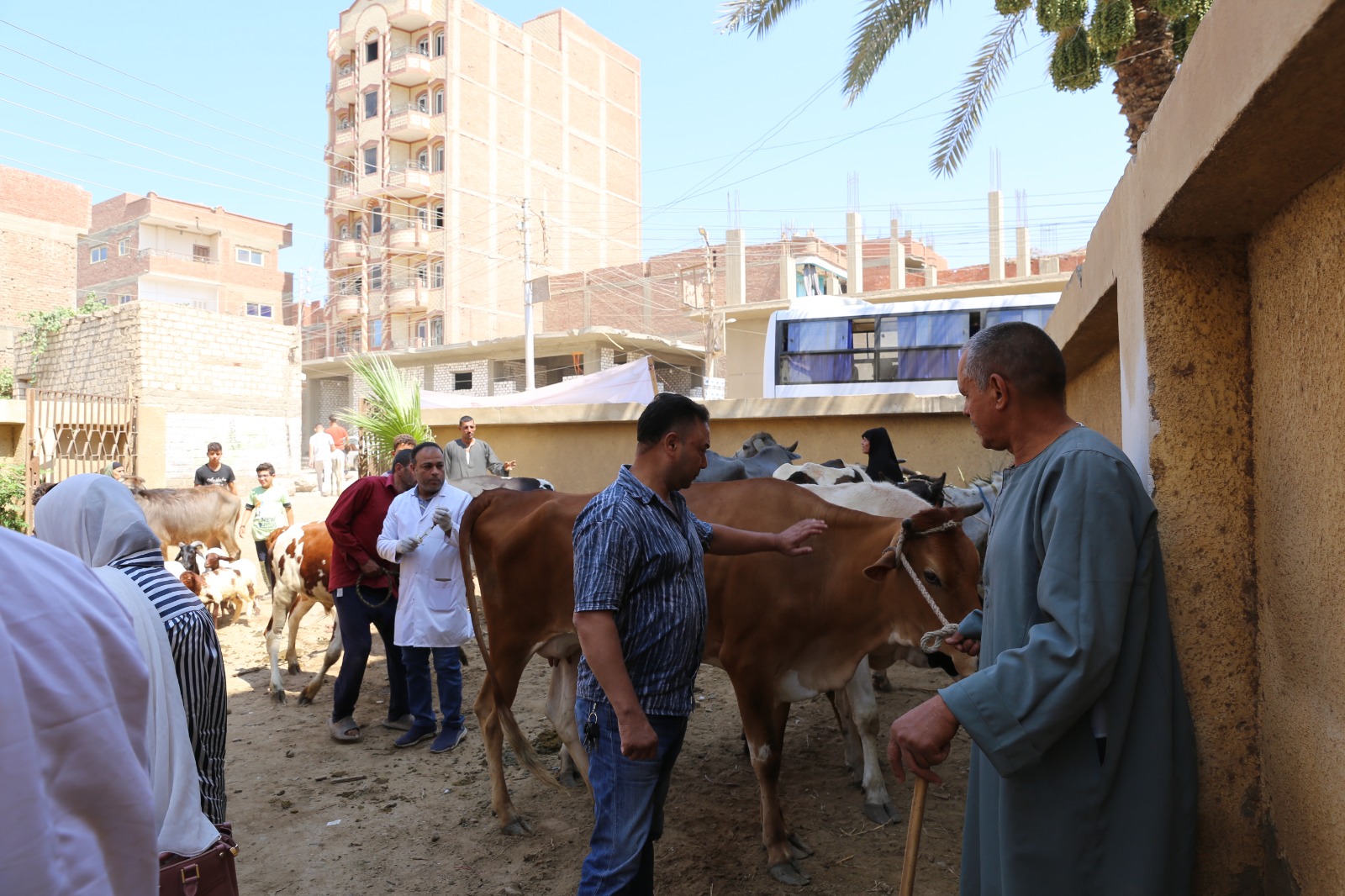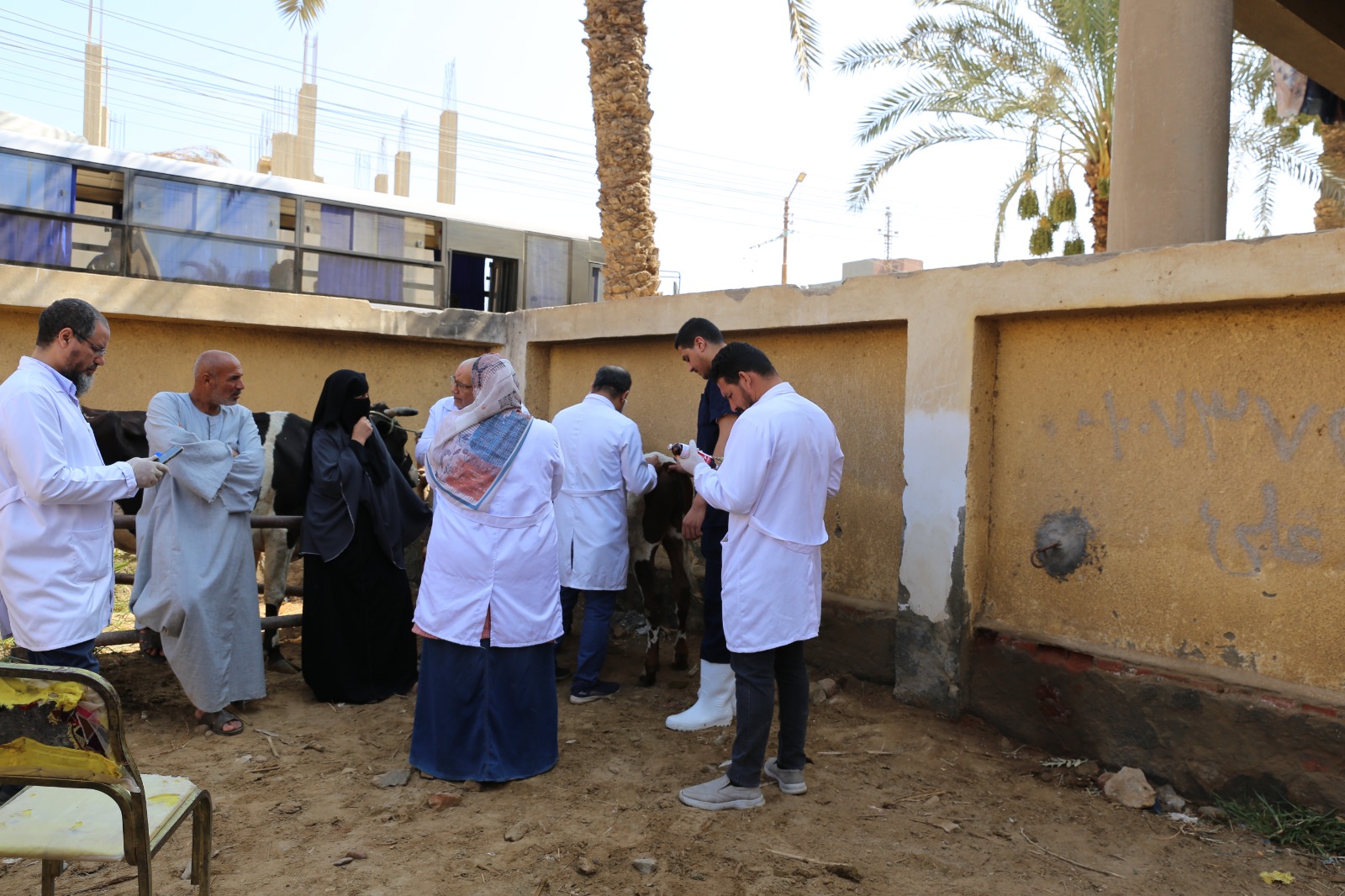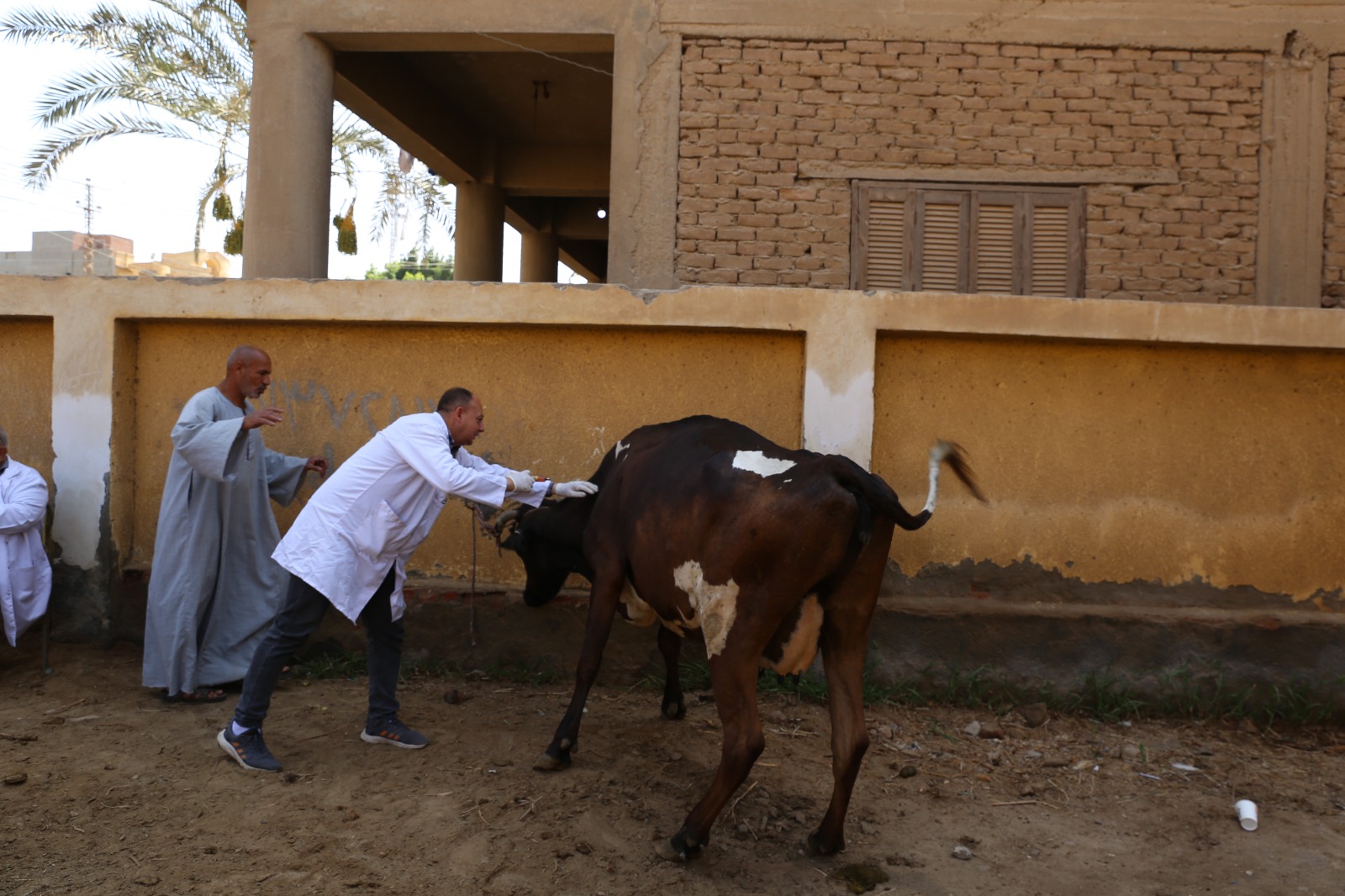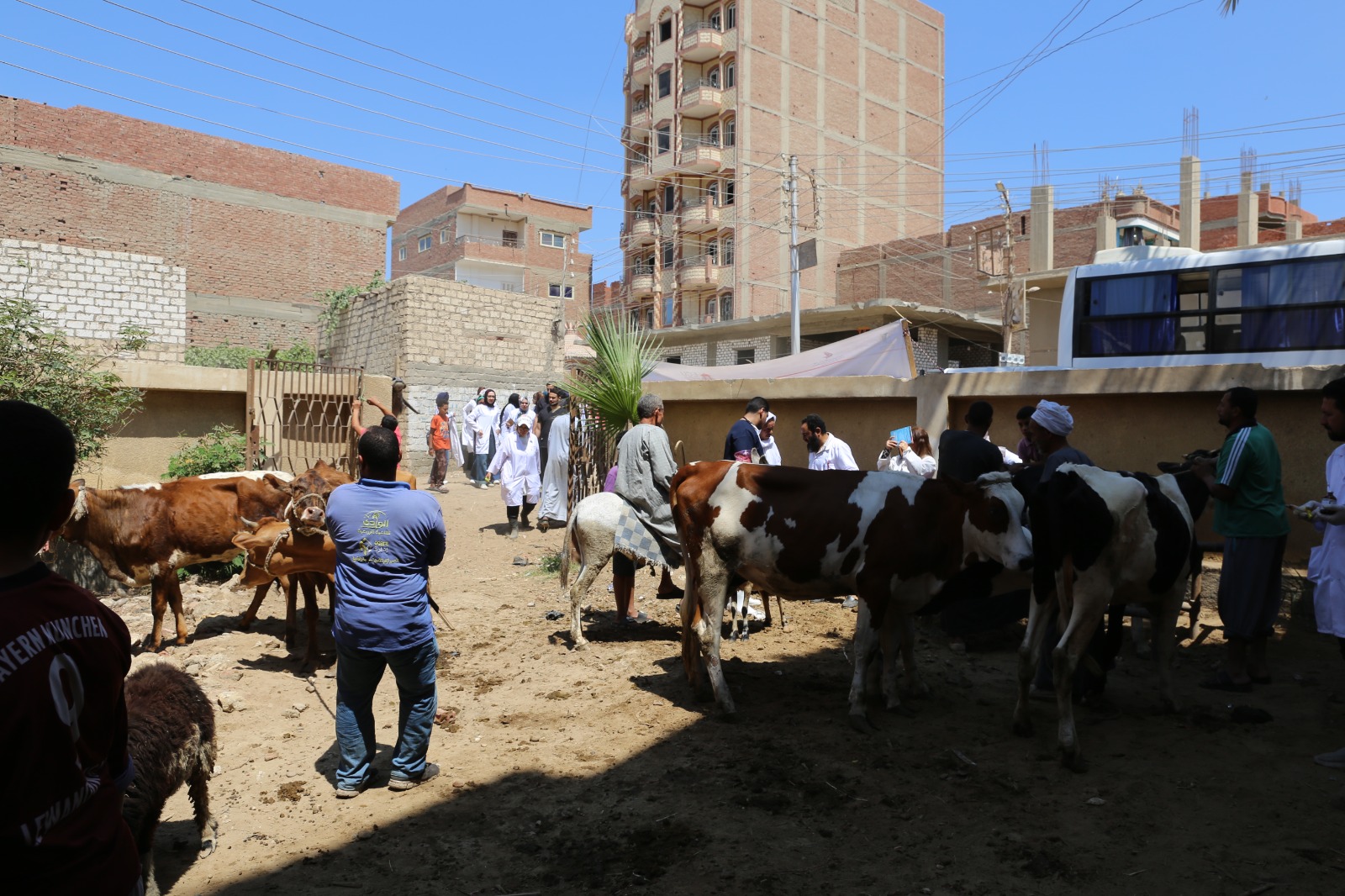

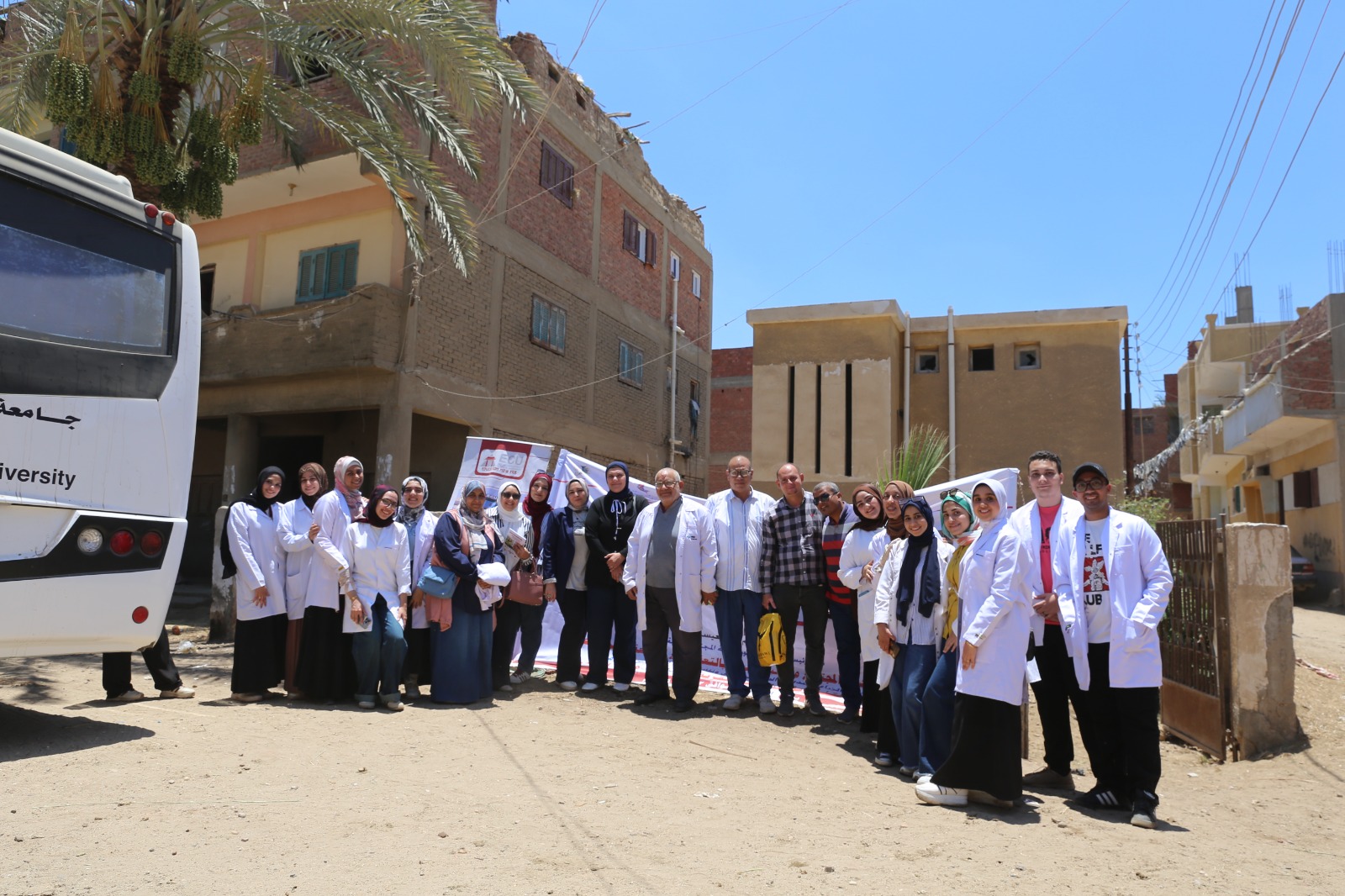
Under the patronage of Dr. Mohamed Hany Ghoneim, Governor of Fayoum,
Prof. Yasser Magdy Hatata, President of Fayoum University, and Prof. Rasha
El-Khouly, President of the Egyptian-Chinese University, and under the
supervision of Prof. Assem Fouad El-Essawy, Vice President of the University
for Community Service and Environmental Development, Fayoum University
organized a comprehensive veterinary convoy in the village of Manashy El-Khatib
in Fayoum Governorate.
This was done in cooperation with the Egyptian-Chinese University, the
Directorate of Veterinary Medicine, the Veterinary Syndicate, the Fayoum Animal
Health Laboratory, and the Food Inspection and Control Department of the
University Cities.
In the presence of Prof. Eman Ahmed Abu El-Fadl, Vice Dean of the
Faculty of Veterinary Medicine and Coordinator of Development Convoys at the
Egyptian-Chinese University, and Mr. Abdel Nasser Bakry Mohamed, Director
General of the General Administration for Community Service and Environmental
Development, on Monday, June 22, 2026.
Prof. Assem El-Essawy emphasized Fayoum University's commitment to
implementing comprehensive development convoys, stemming from its community
mission to support the most needy villages. This contributes to improving the
quality of life for citizens, especially as these convoys contribute to the
advancement of rural communities, support livestock breeders, and preserve
livestock, which is one of the most important pillars of economic development
in Fayoum Governorate.
He noted that the convoy witnessed distinguished participation from
specialized veterinarians from Fayoum University and the Egyptian-Chinese
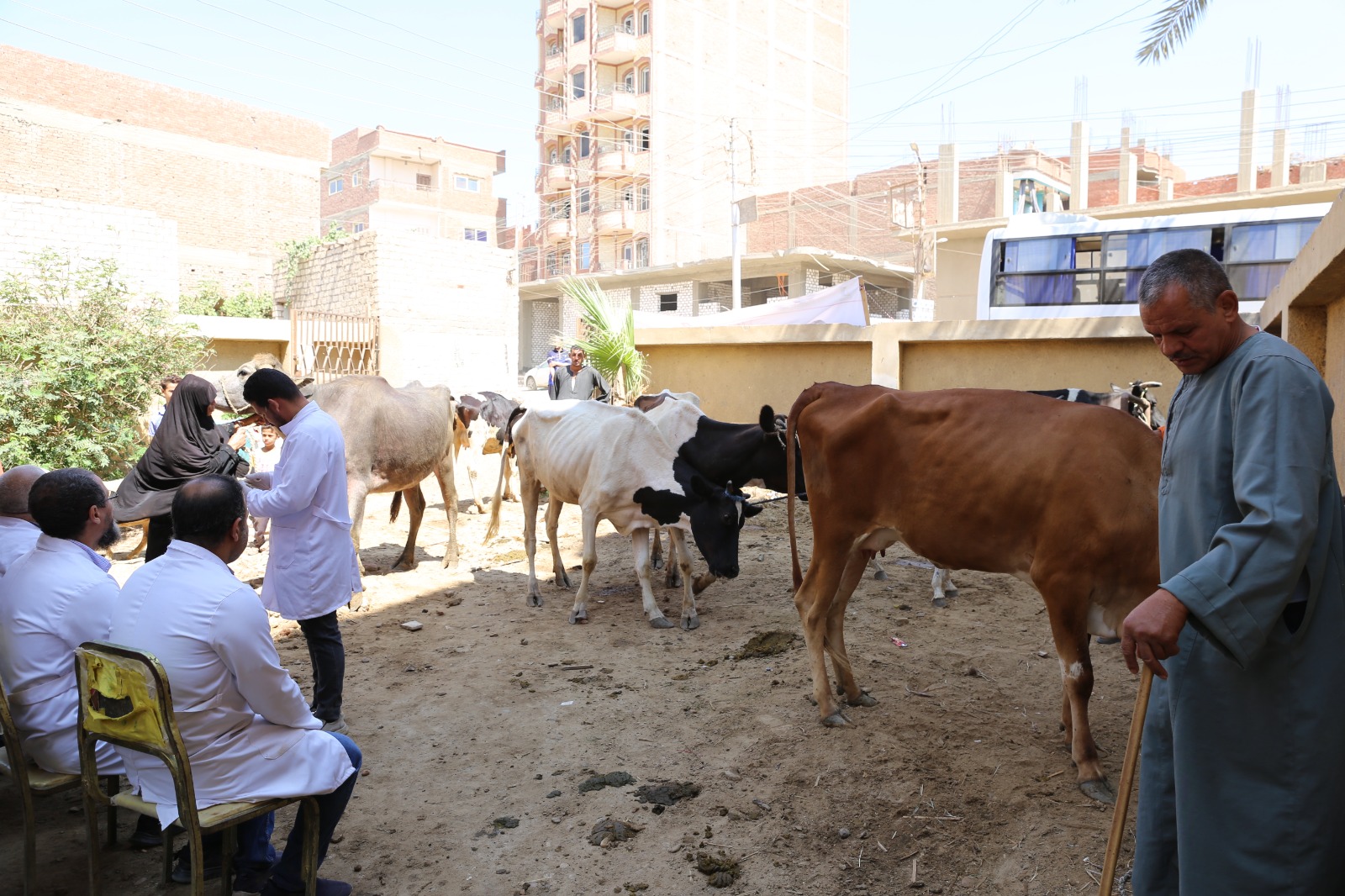
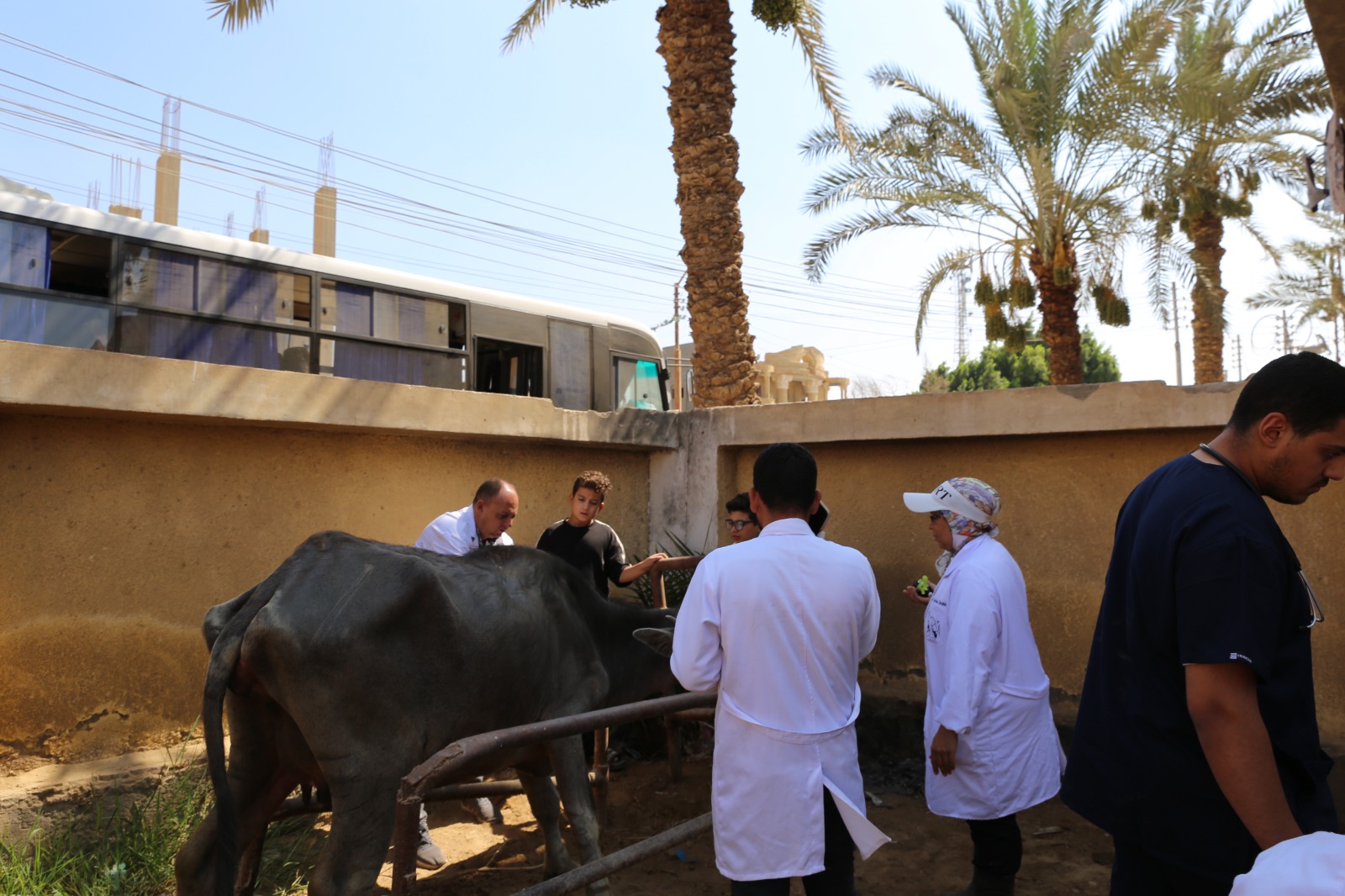
University. Free examinations and treatment were provided to 1,531 cases of
cattle, sheep, goats, and goats, as part of the efforts to maintain the health
and improve animal production in the village of Manashy El-Khatib and the
surrounding villages.
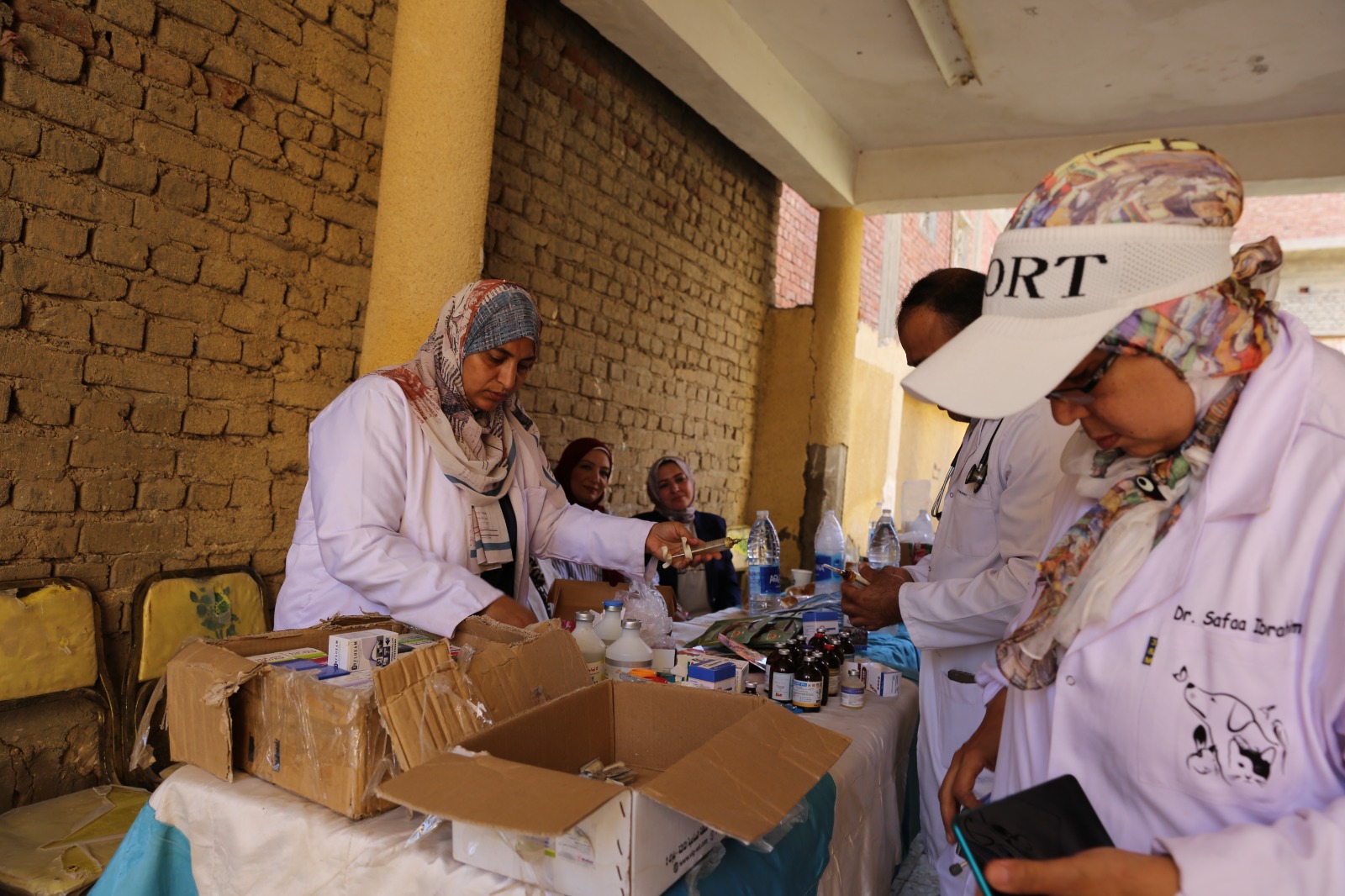
It is also worth noting that the veterinary services provided included
administering medication to 495 animals, treating 352 cases of internal,
respiratory, and digestive diseases, and cases of poisoning, in addition to
treating 273 reproductive cases. Furthermore, 411 animals received vaccinations
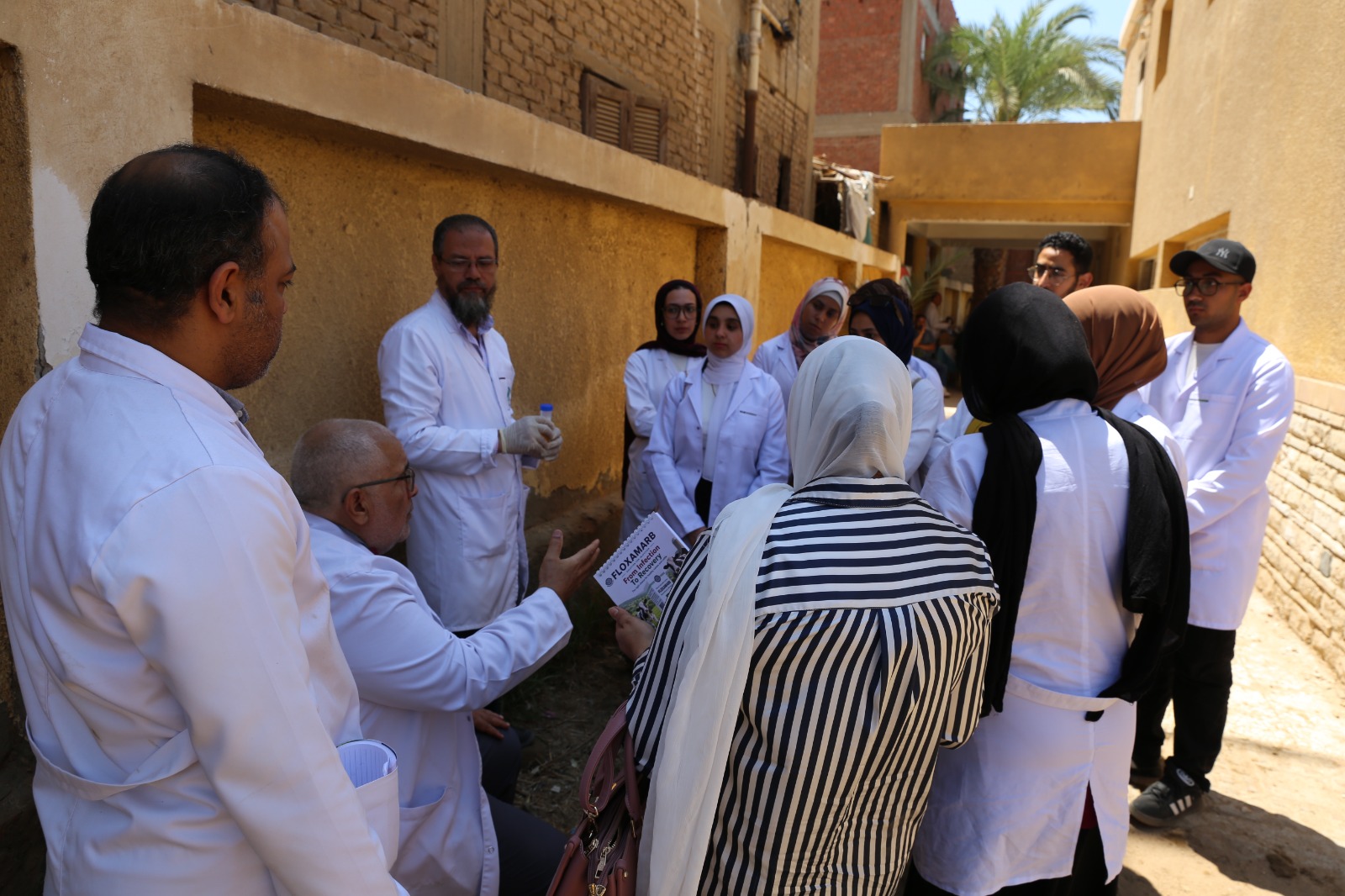
against worms and parasites, along with veterinary guidance and awareness
sessions for livestock owners on preventative measures and the necessary
ongoing healthcare for their animals.
Dr. Wagdy Mostafa, Director of the Fayoum Veterinary Directorate,
explained that the veterinary convoys organized by Fayoum University represent
genuine support for livestock owners and alleviate many of their burdens. He
pointed out that parasitic and reproductive diseases are among the most
prominent challenges facing the livestock sector in the governorate, and that
providing sustainable veterinary care directly contributes to improving
productivity and maintaining the overall health of animals.
Dr. Ali Saad Ali, Head of the Fayoum Veterinary Syndicate, added that
these convoys come in light of the challenges facing the livestock sector, most
notably the lack of health awareness among some livestock owners, which could
negatively impact livestock production and the local economy.