
Under
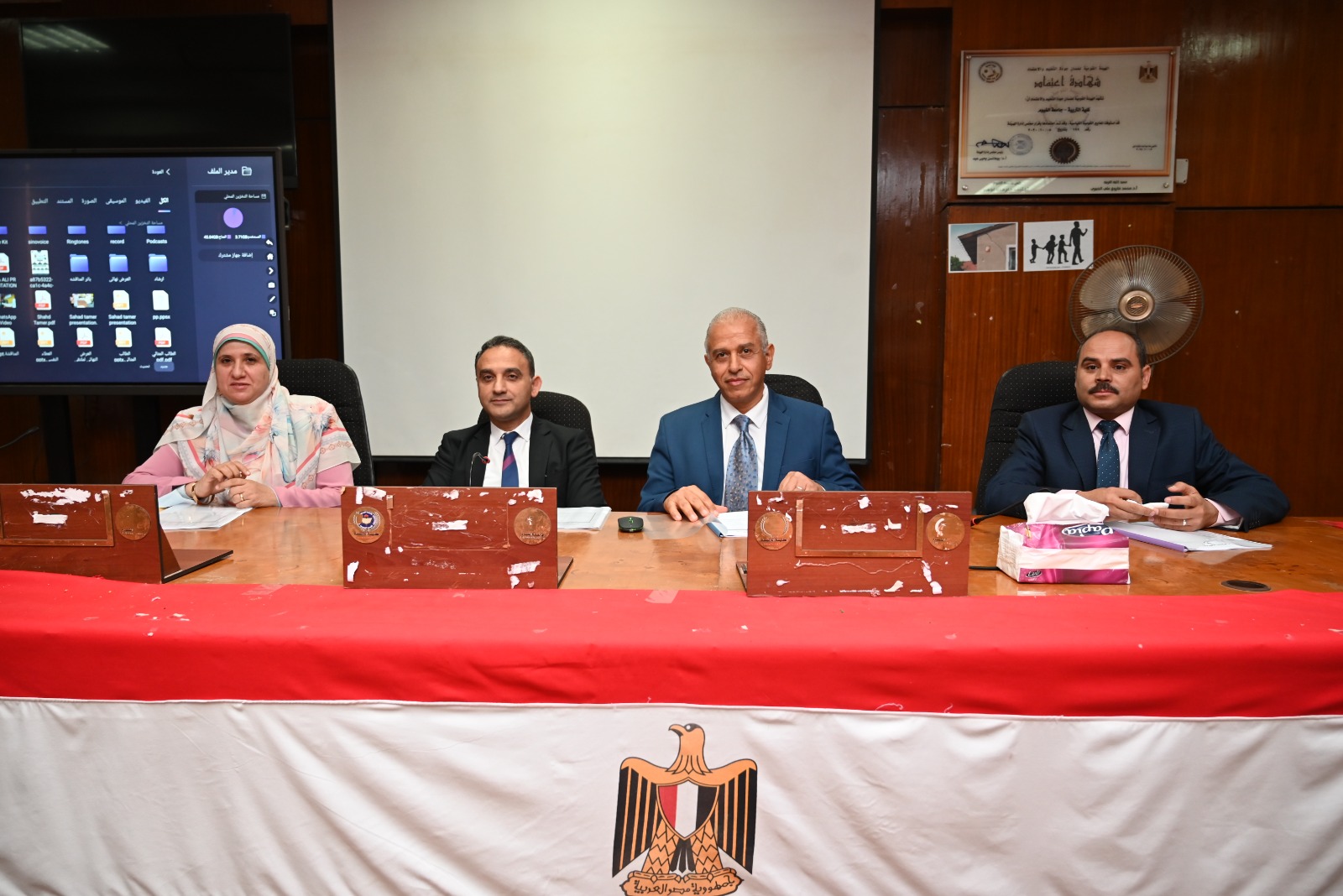
the patronage of Prof. Yasser Magdy Hatata, President of Fayoum University,
Prof. Assem El-Essawy, Vice President for Community Service and Environmental
Development, and Prof. Sherif El-Attar, Vice President for Education and
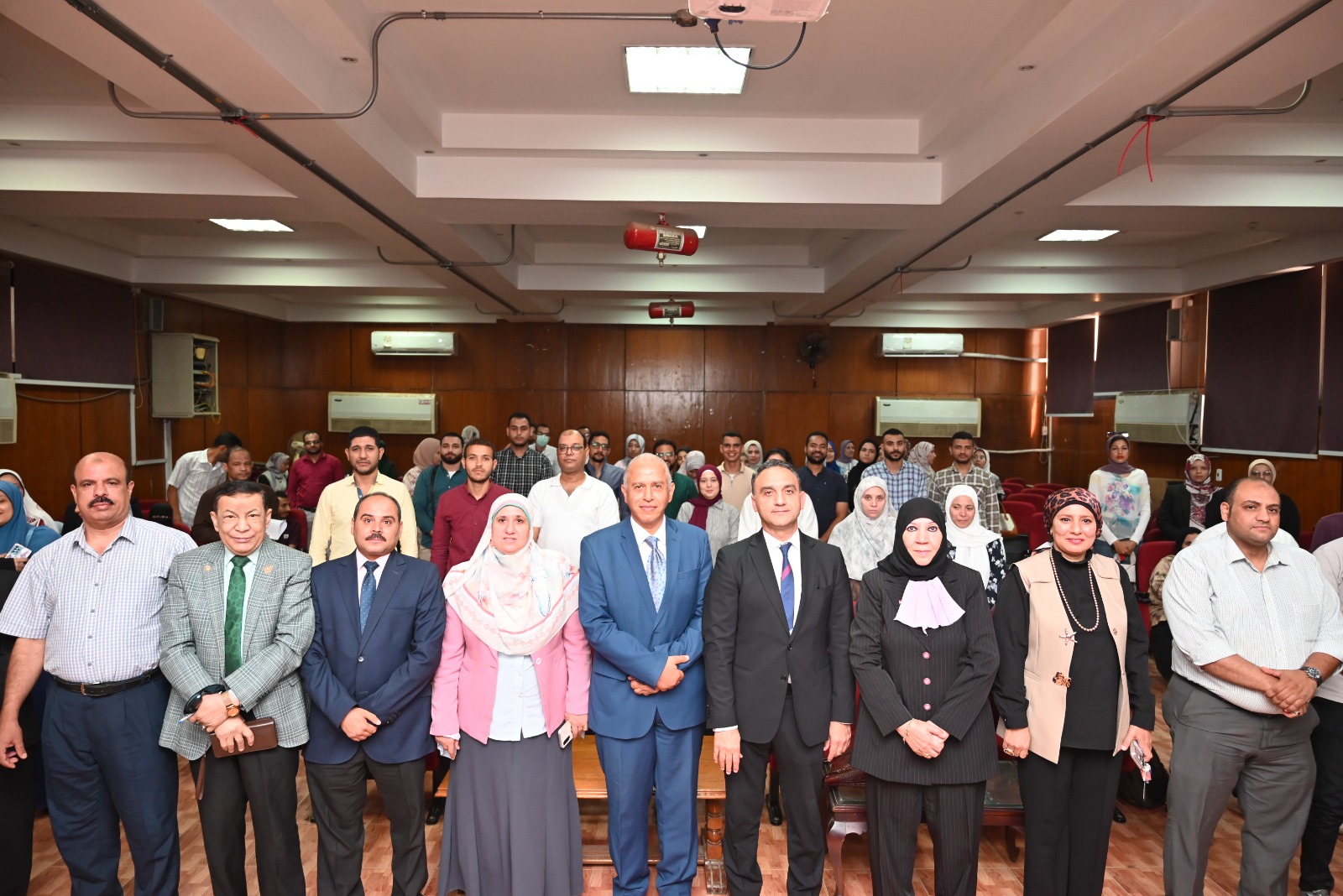
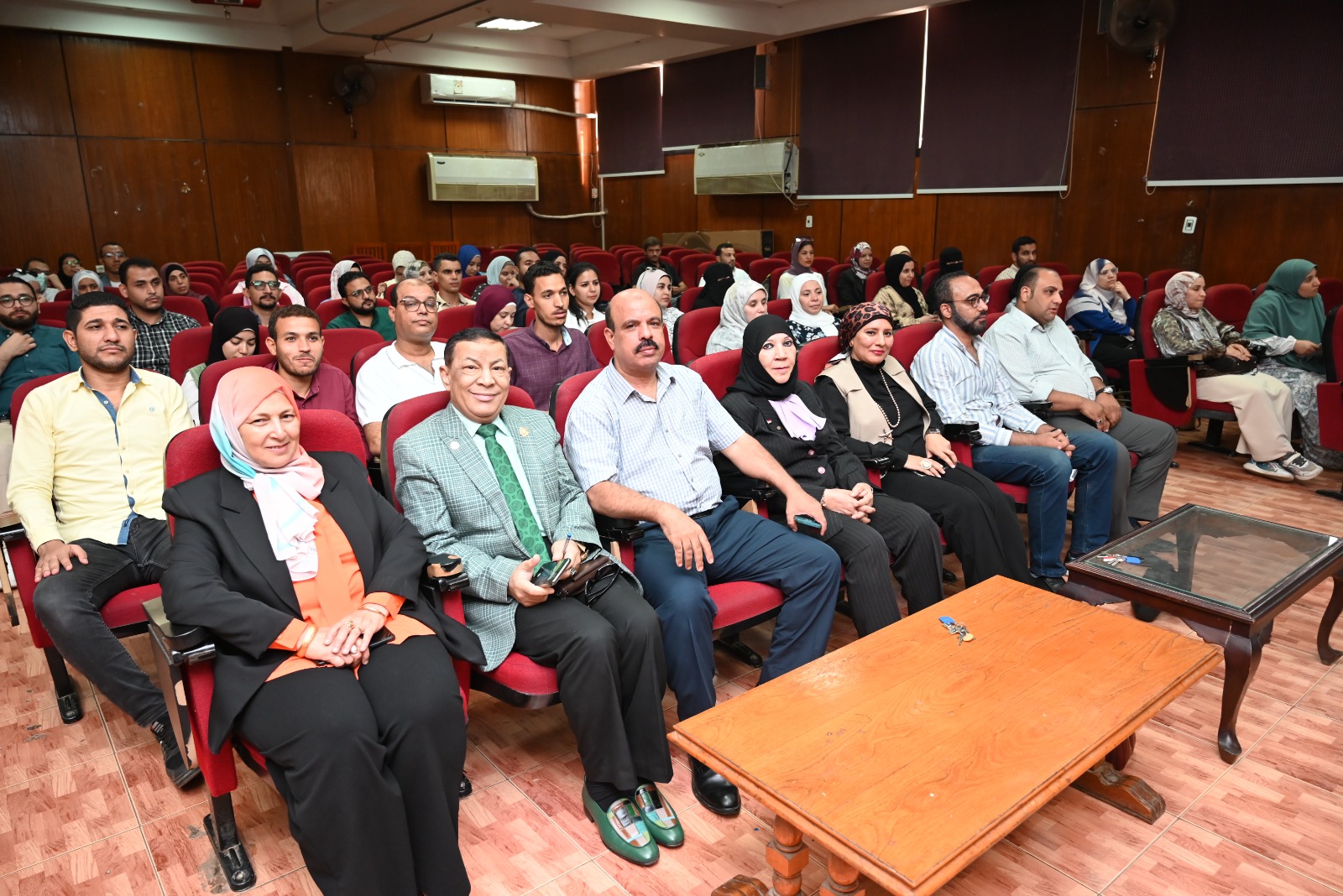
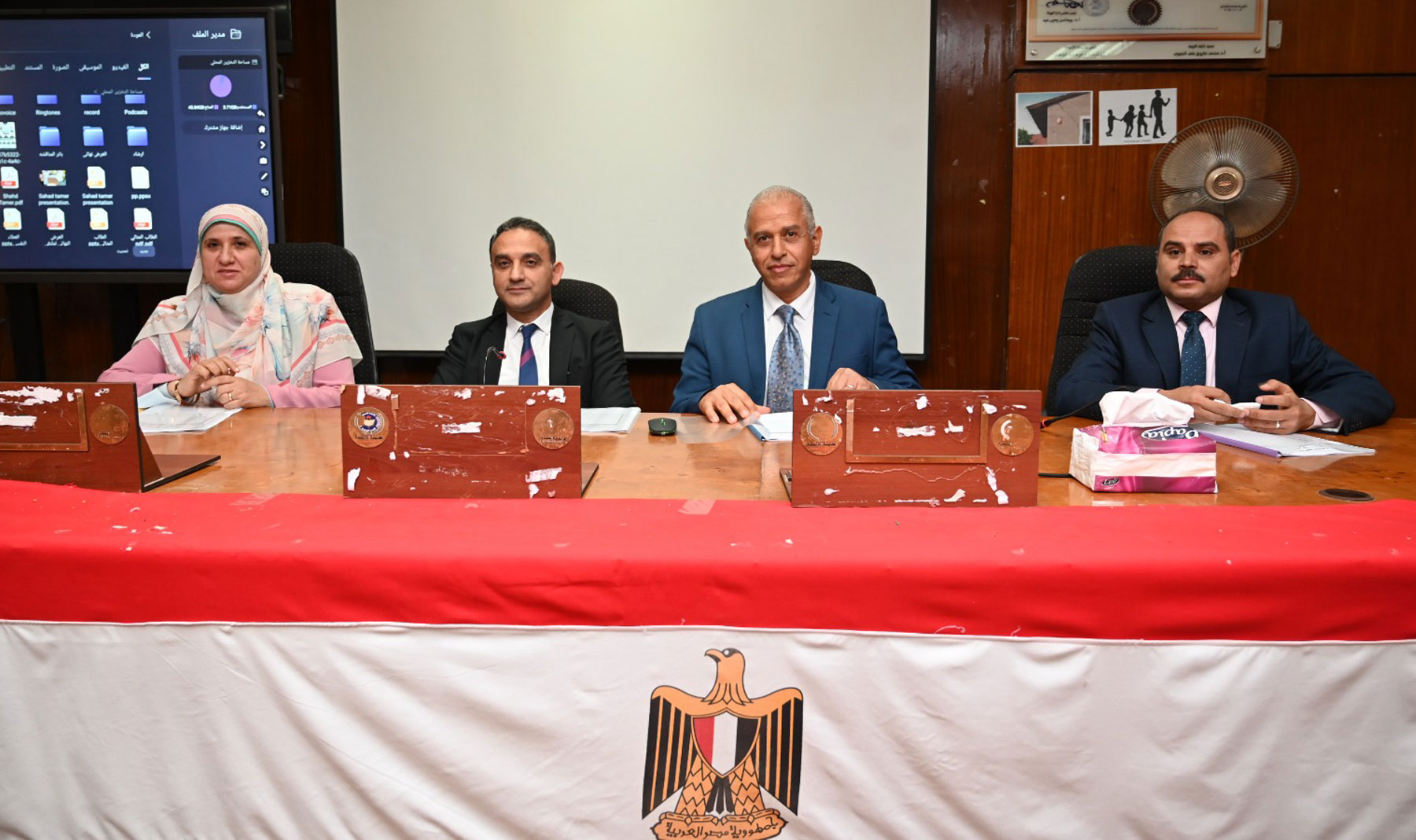
Student Affairs, attended the opening session of the 56th University
Teacher Preparation Course at the Faculty of Education.
The session
was also attended by Prof. Amal Gomaa, Dean of the Faculty of Education, Prof. Ahmed
Ali, Vice Dean for Postgraduate Studies, Cultural Relations, and Research, and
a number of faculty members and heads of academic departments. The opening session
took place on Sunday, July 26, 2026, at the Faculty.
Prof. Assem
El-Essawy emphasized that the University Teacher Preparation Course is one of
the courses that the university prioritizes, given its importance in developing
expertise and exchanging ideas among faculty members and teaching assistants.
He added that it also allows participants to learn about the activities and
objectives of the various university sectors in their service and
organizational aspects. He wished all participants success.
Prof.
Sherif Al-Attar pointed out that the course serves as a platform for
transferring experiences and exchanging knowledge among participants. It is not
merely a series of theoretical lectures, but rather a comprehensive workshop
designed to refine skills and familiarize faculty members with methods for
conveying knowledge and academic materials to students, thereby enhancing the
university system.
For her
part, Prof. Amal Gomaa explained that the university teacher preparation course
is conducted in accordance with the Universities Organization Law and is a
prerequisite for promotion. It aims to introduce the fundamentals of university
curriculum development, aspects related to teaching strategies at the
undergraduate level, and the university responsibilities of faculty members.
These responsibilities include teaching, examinations, assessment and follow-up
mechanisms, student psychology, the automation of educational systems, question
banks, and electronic grading, in addition to the ethics of scientific research
and teaching strategies at the undergraduate level.
Prof.
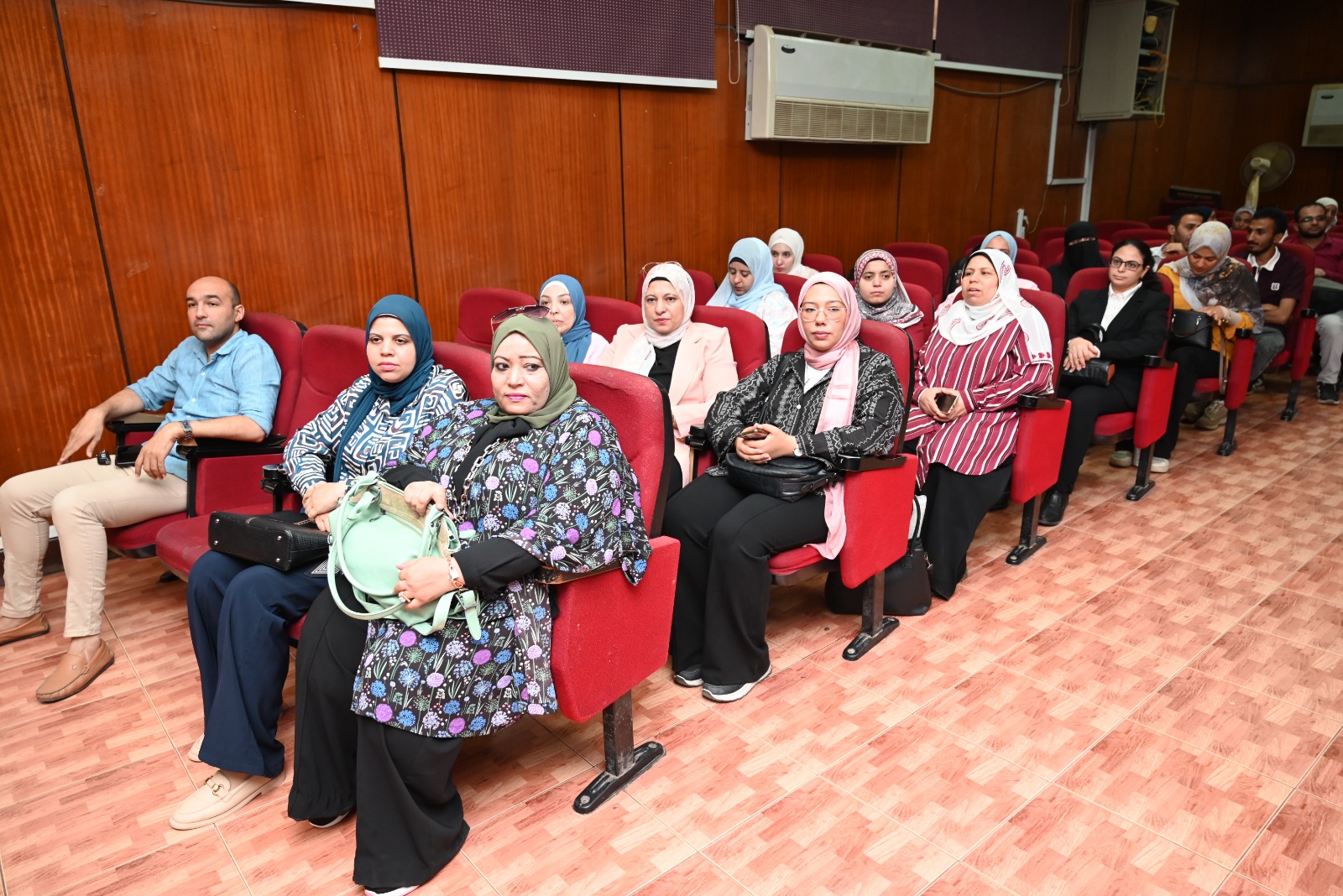
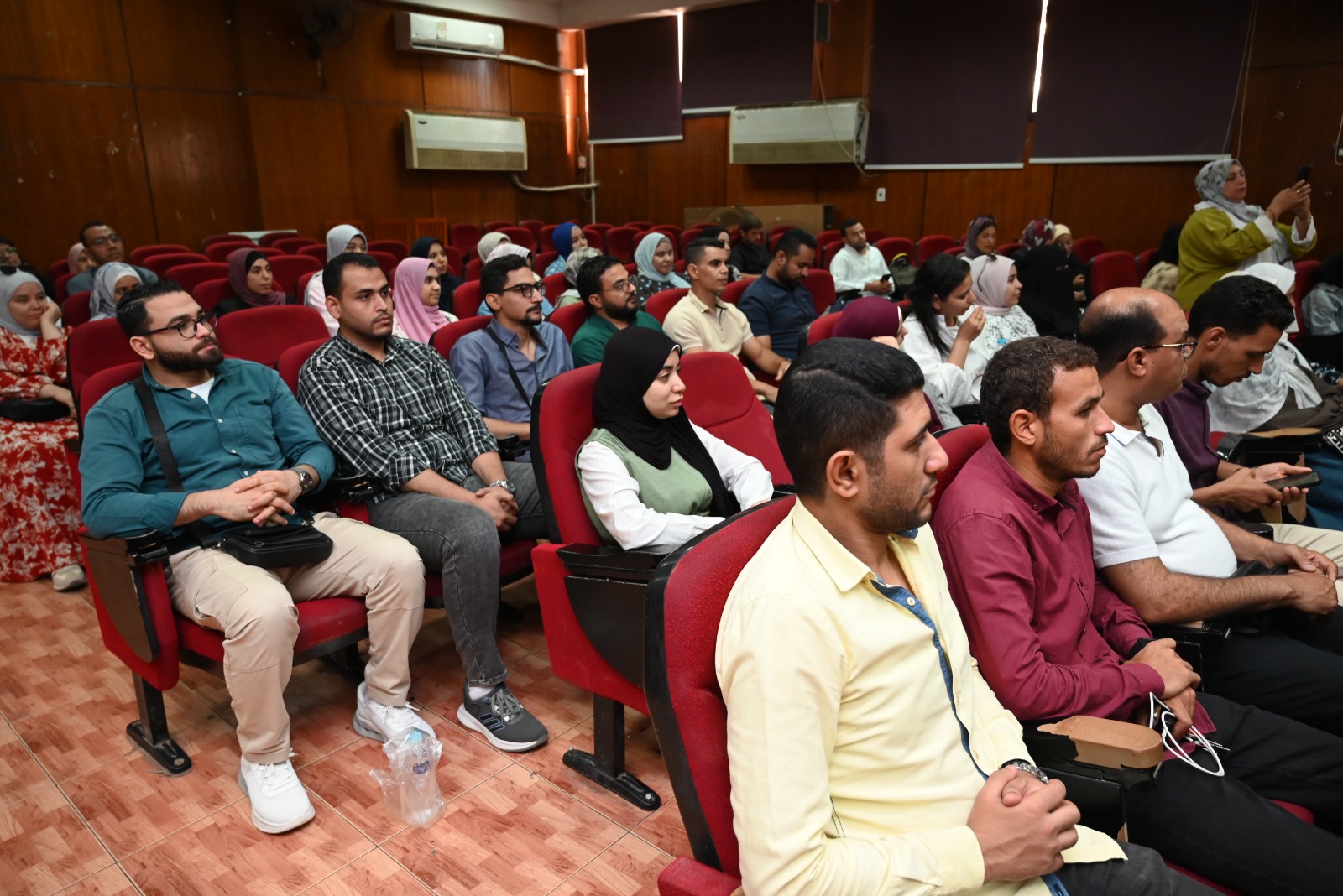
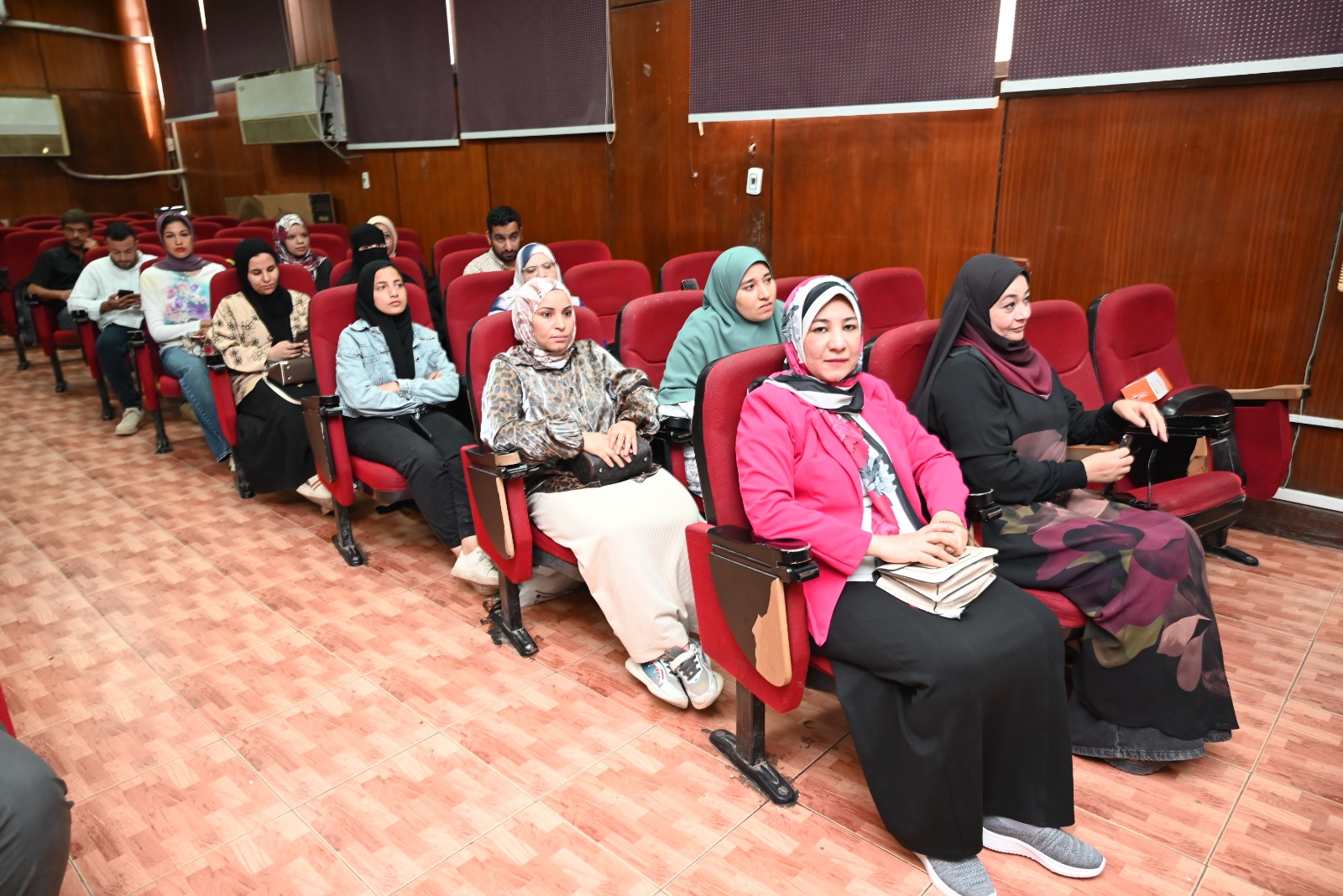
Ahmed Ali added that the course includes 33 trainees and spans five training
days. It covers training in total quality management, institutional accreditation,the
fundamentals of digital transformation, the university's information network
infrastructure, the electronic portal project, scientific research,
conferences, scholarships, and international rankings.