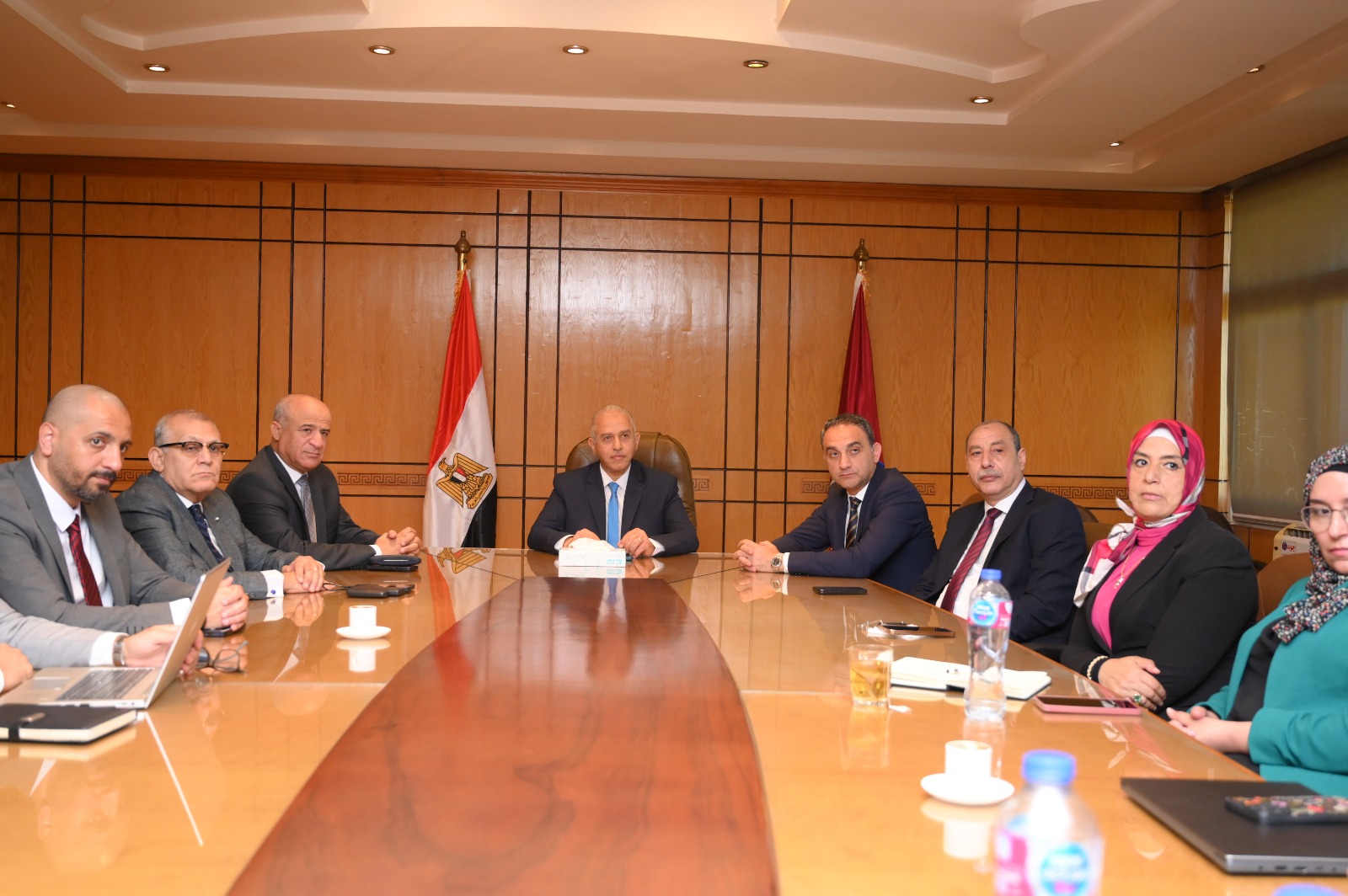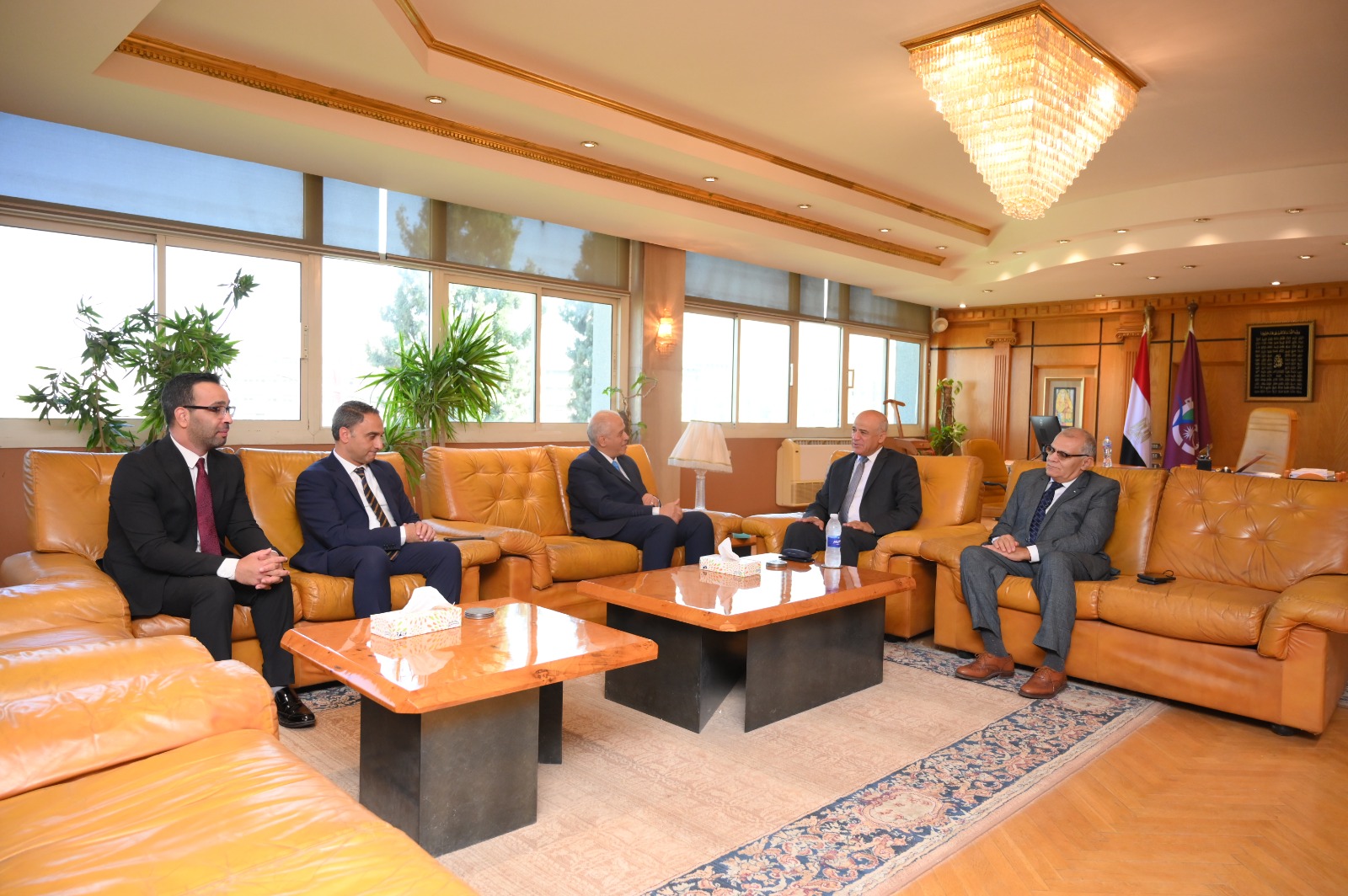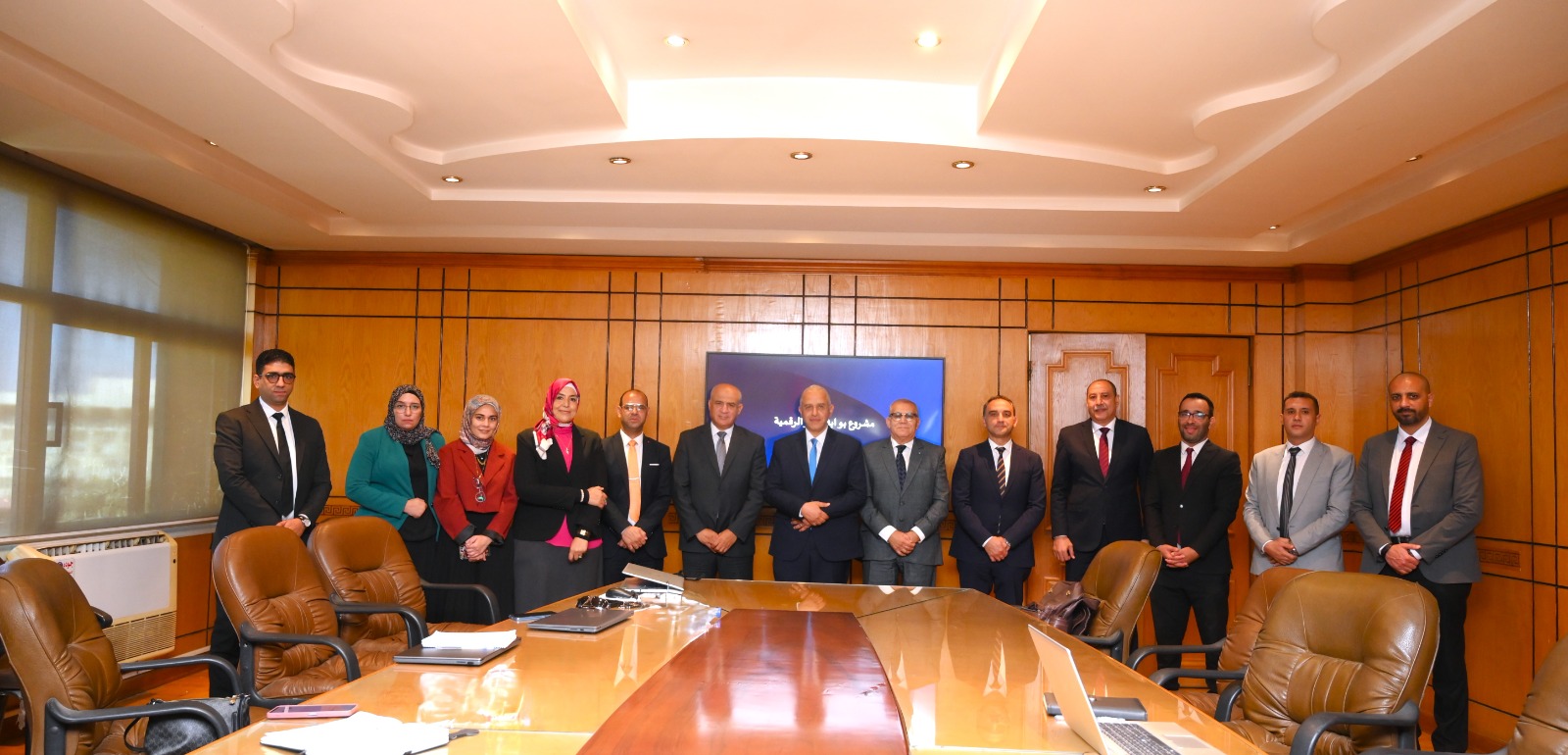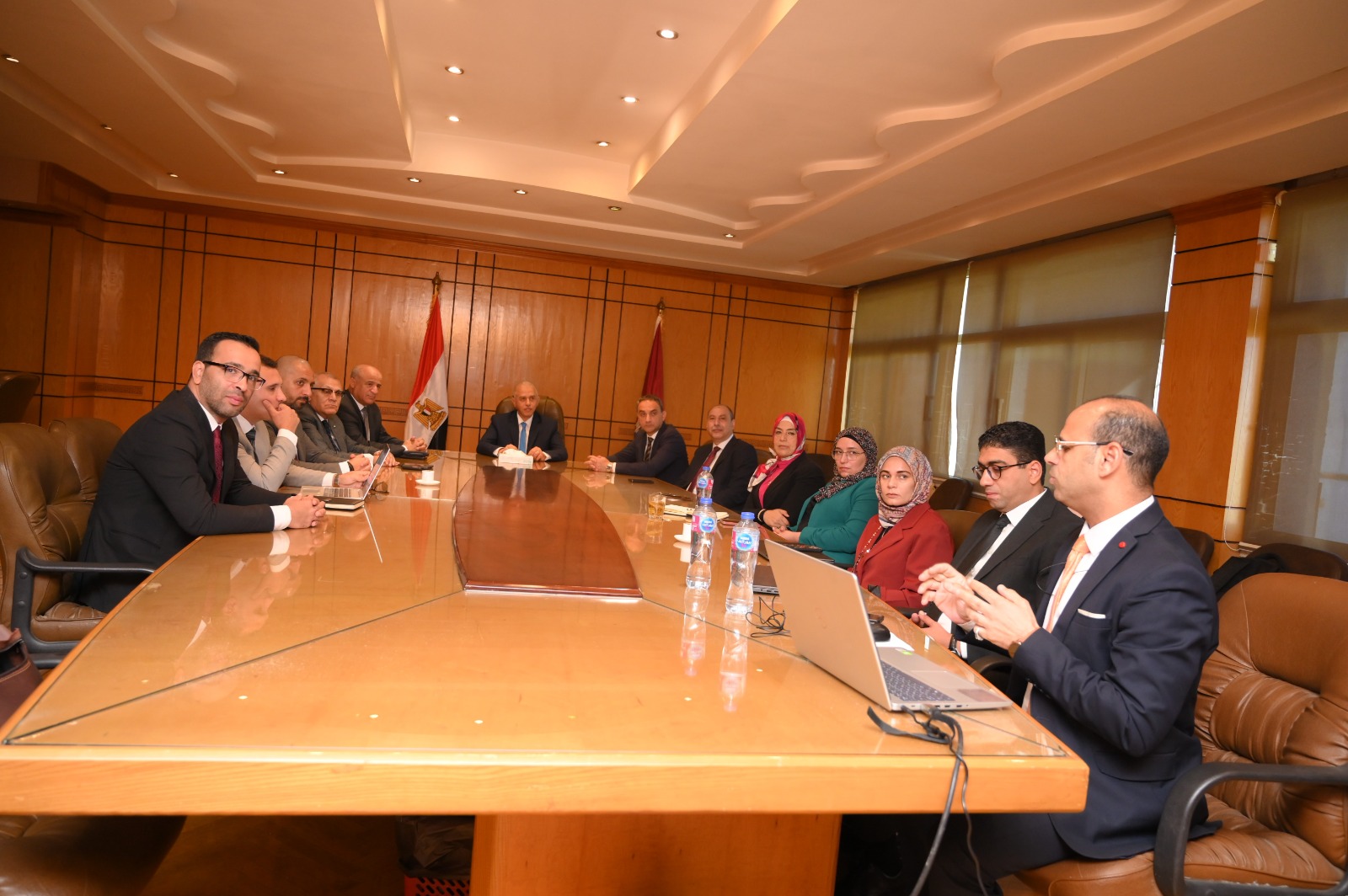

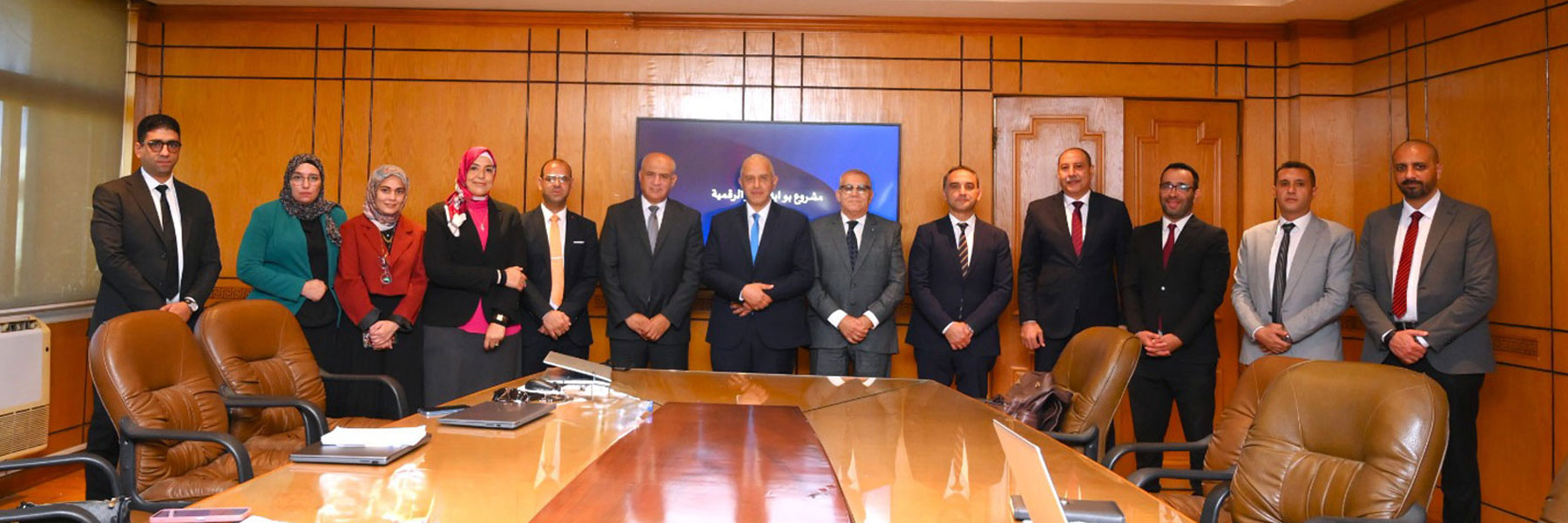
Prof. Sherif Mohamed Sabry El-Attar, Acting President of Fayoum
University and Vice President for Education and Student Affairs, received a
delegation from the Ministry of Communications and Information Technology. The
meeting was attended by Prof. Assem Fouad El-Essawy, Vice President for
Community Service and Environmental Development (and Supervisor of the postgraduate
Studies, Cultural Relations, and Research Sector); Mr. Ahmed Rashad, University
Secretary-General; Prof. Rania Abu El-Saoud, Chief Information Officer (CIO);
and Assoc. Prof. Ahmed Salama, Executive Director of the Information Network
and Supervisor of the University’s Electronic Portal.
The visiting delegation, which arrived on Wednesday, September 23, 2026,
included Prof. Mahmoud Fakhr El-Din, Undersecretary and Head of the Central
Administration for Automation Projects; Prof. Khaled Negm, Advisor to the
Minister for Digital Governance; and several other representatives from the
Ministry of Communications and Information Technology.
Prof. Sherif El-Attar explained that the visit aimed to discuss and explore
ways to achieve digital sustainability for the services Fayoum University
provides to its community. This initiative seeks to develop the university's
service system and enhance its quality and efficiency through cooperation with
the Ministry of Communications and Information Technology.
He added that the discussions also focused on making university services
available via the "Digital Egypt" platform and linking them to
Egypt’s national digital transformation framework. This aims to foster digital
integration and connectivity between services, support the university's digital
transformation efforts using state-of-the-art technology, ensure fast and easy
access to services, boost institutional performance efficiency, and improve the
overall experience for service beneficiaries.
Prof. Assem El-Essawy stated that the project's first phase involves
making several key digital services available—such as issuing pre-printed
certificates for graduates and enabling students to pay tuition fees. He
emphasized that these services represent a significant step toward expanding
the digital delivery of university services, thereby enhancing service quality
for the university community and facilitating faster, more efficient access for
students and graduates.
Prof. Mahmoud Fakhr highlighted that the "Digital Egypt"
platform is a major national project in the realm of digital transformation,
currently hosting approximately 254 government services organized into 20
service categories.
He noted that the platform has surpassed 13 million users, with around
44 million completed requests processed between April 2024 and the present. He
also pointed out the integration and data-sharing capabilities established
among government entities, involving approximately 101 such bodies.
He commended the cooperation between Fayoum University and the Ministry
of Communications and Information Technology—particularly regarding services
for students and graduates, as well as collaboration in human development and
digital transformation. He stressed the importance of sustaining and expanding
this partnership to support national efforts in building an integrated digital
society and to contribute to the ongoing improvement of services provided to
citizens.