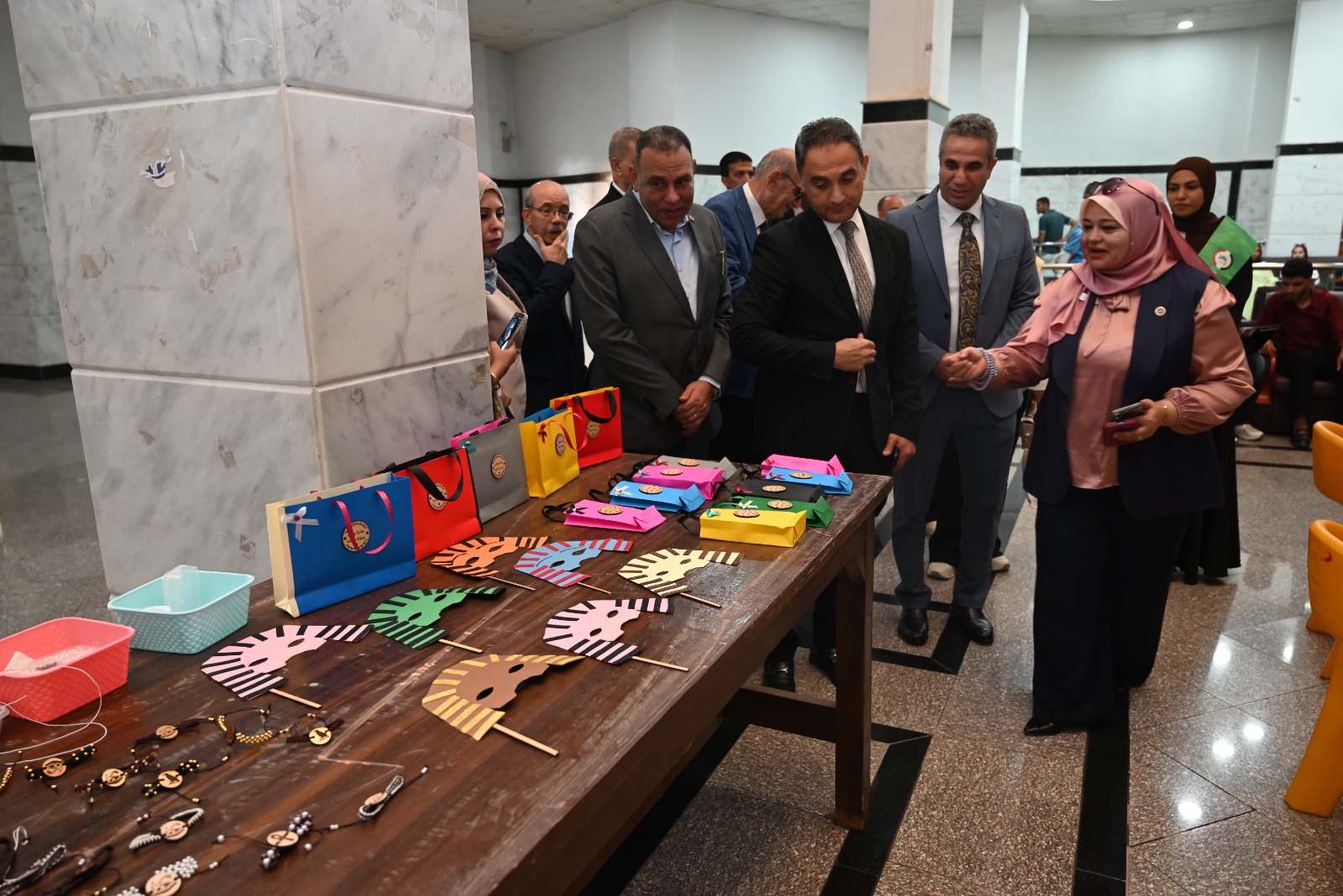

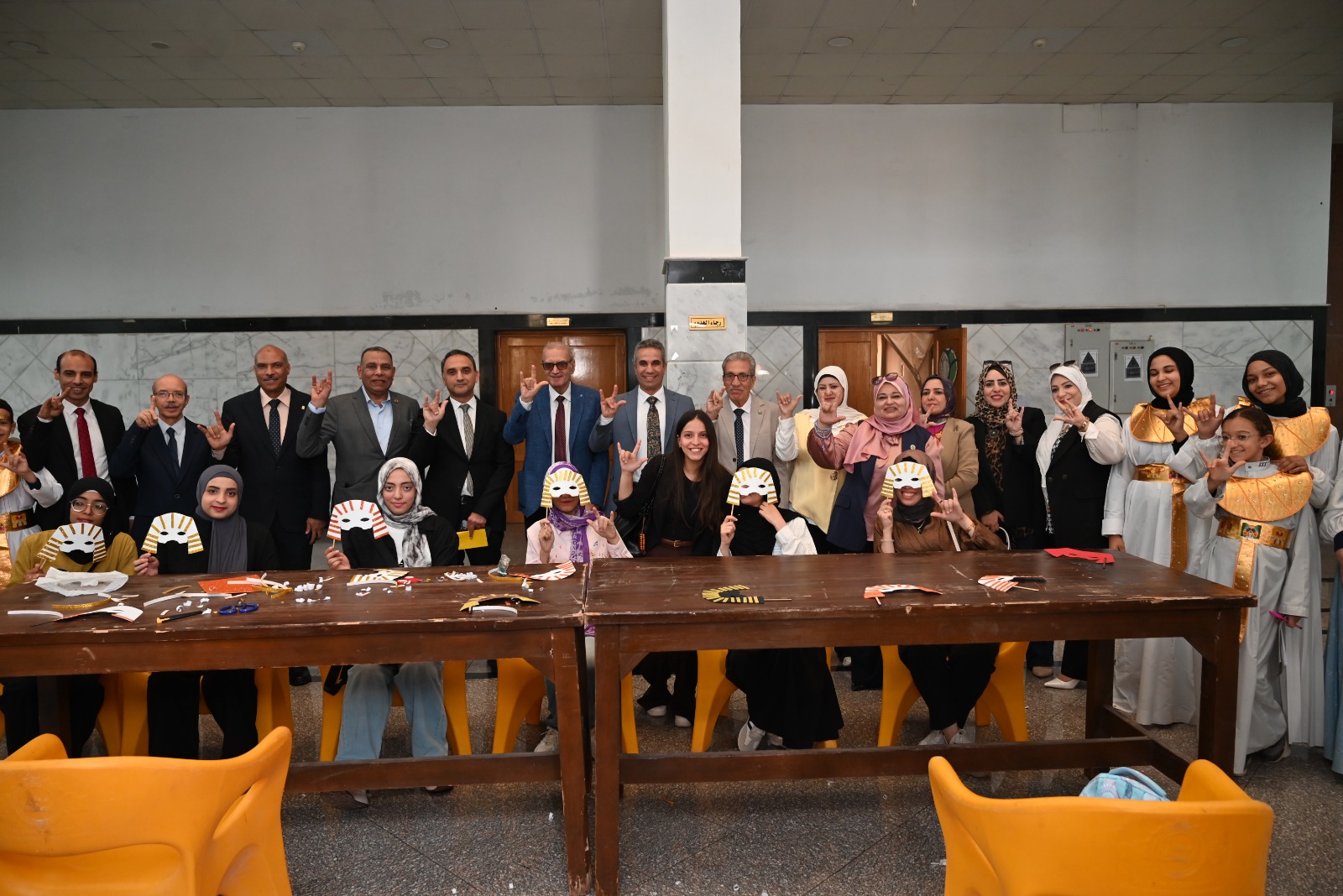
Under
the patronage of Prof. Sherif Mohamed Sabry El-Attar, Acting President of
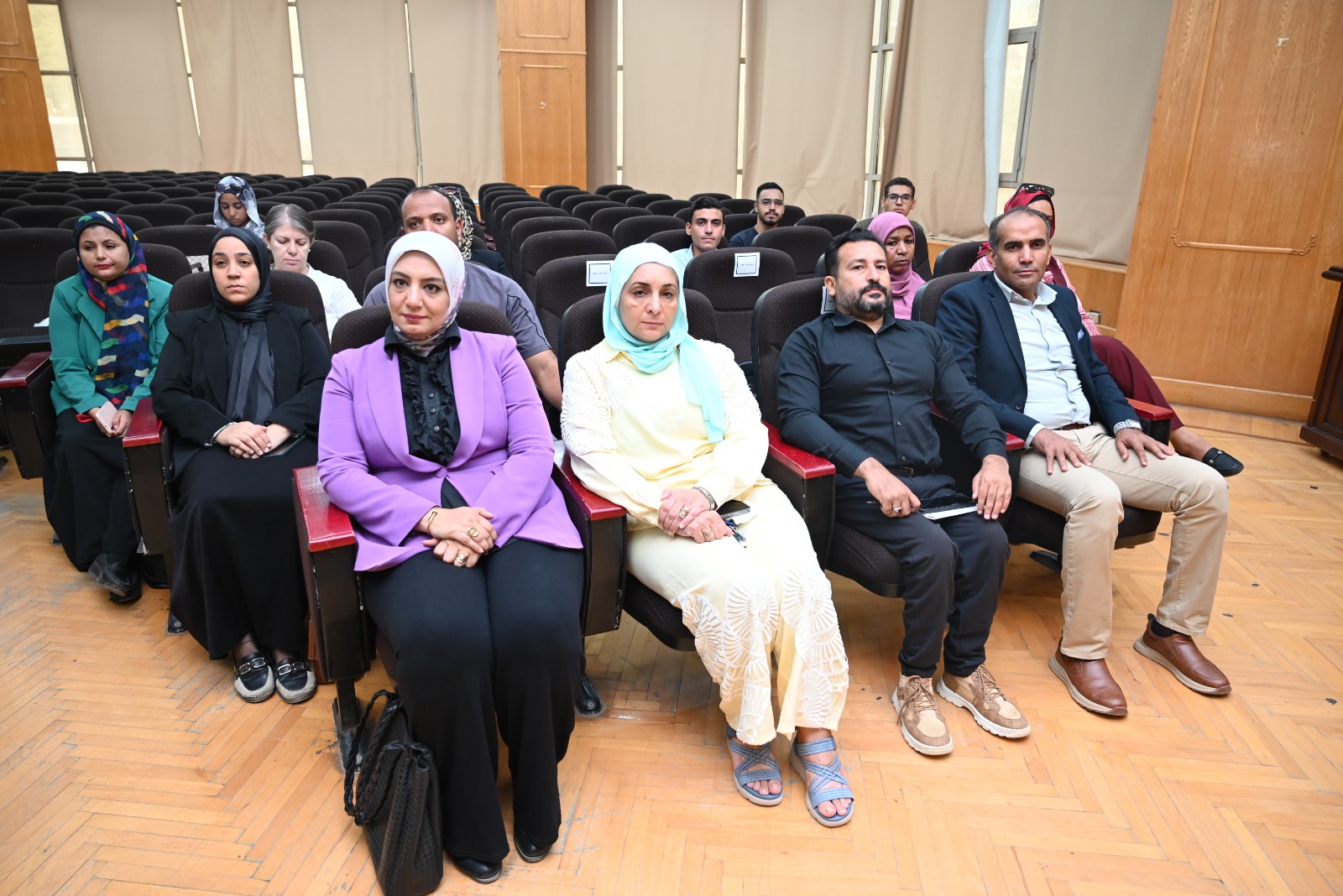
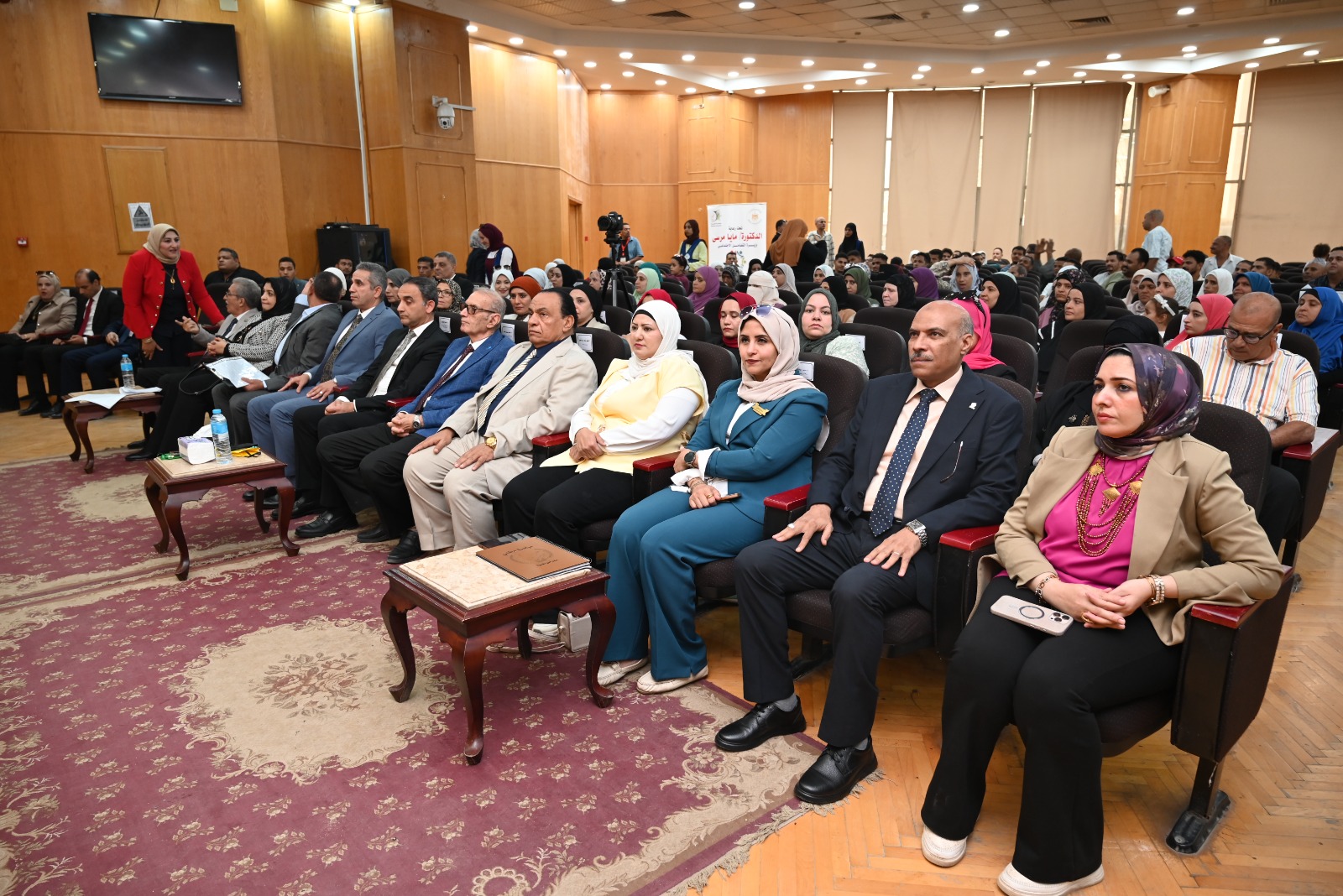
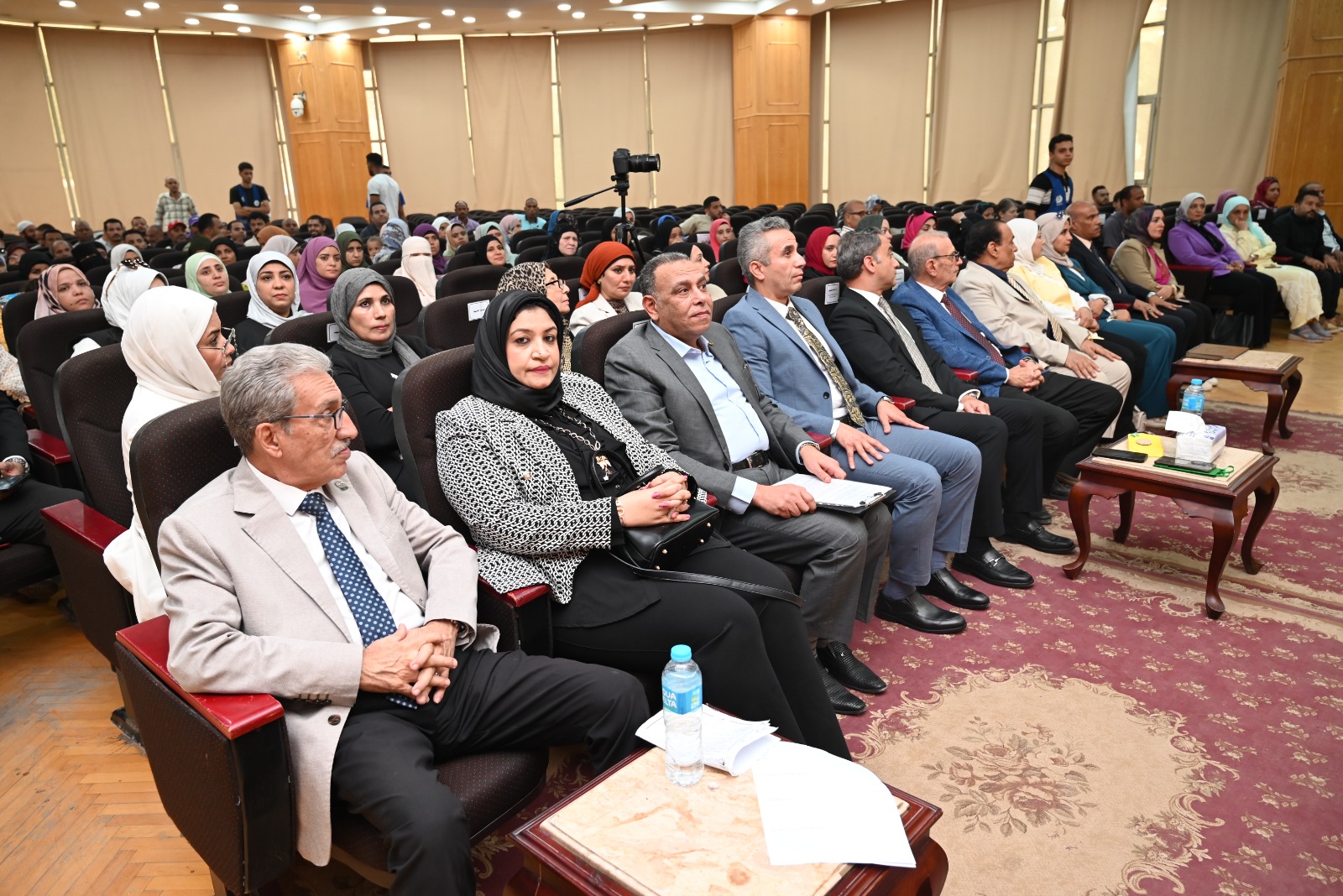
Fayoum University, Prof. Assem El-Essawy, Vice President for Community Service
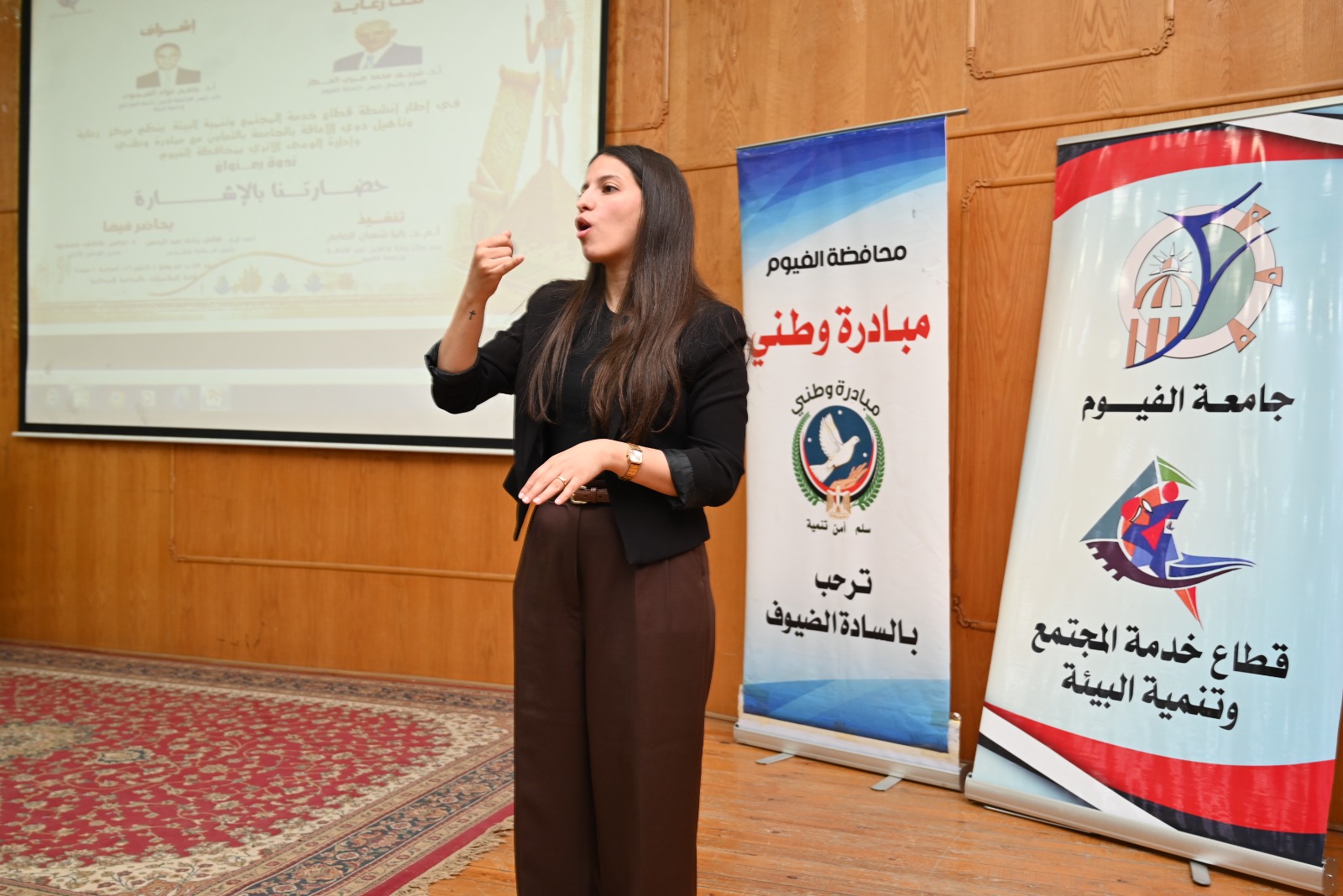
and Environmental Development, attended a seminar titled "Our Civilization
Through Sign Language." Organized by the University’s Center for the Care
and Rehabilitation of Students with Disabilities, the event was held as part of
the Community Service and Environmental Development sector's activities, in
collaboration with the "Watani" Initiative and the Archaeological
Awareness Department of Fayoum Governorate.
The
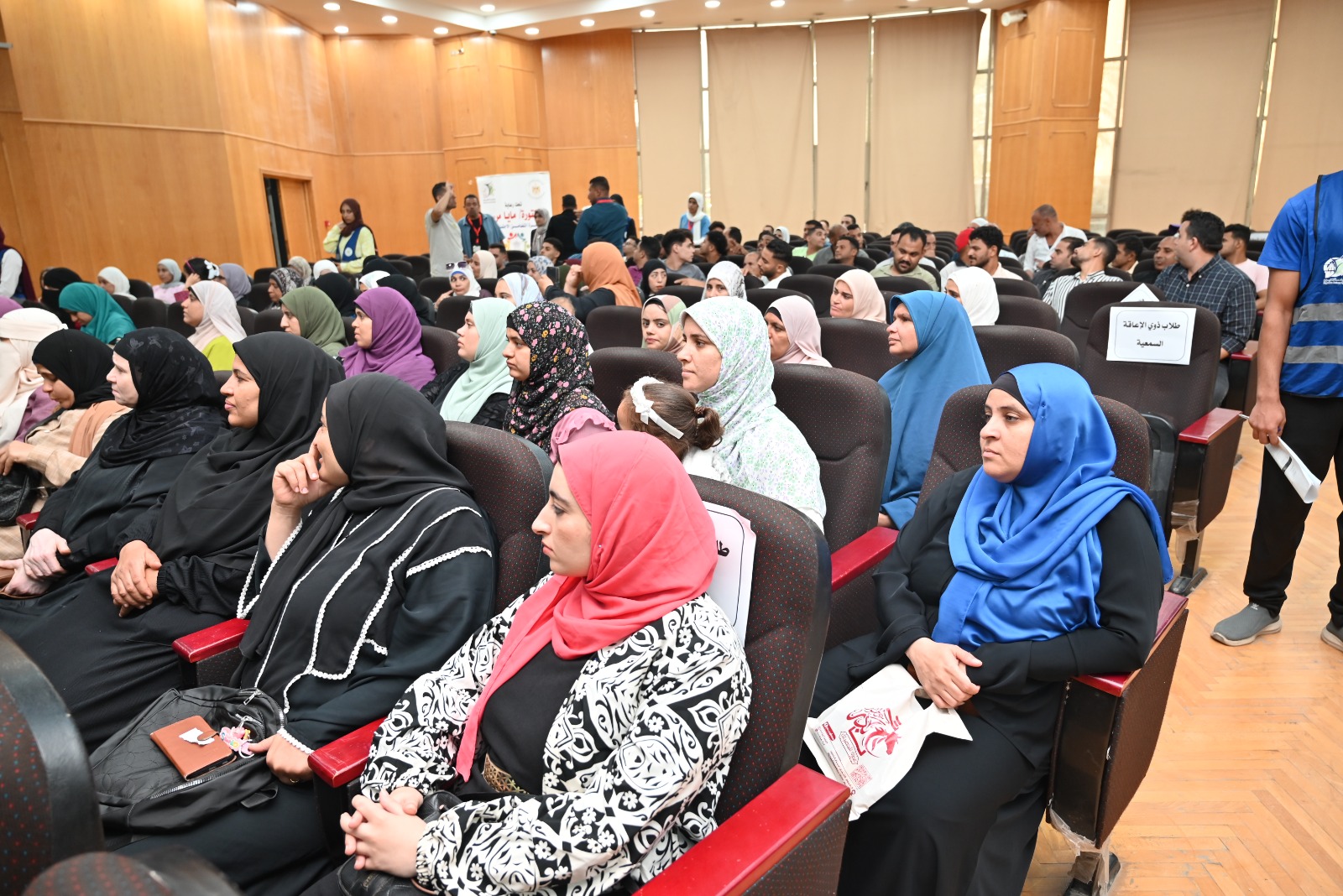
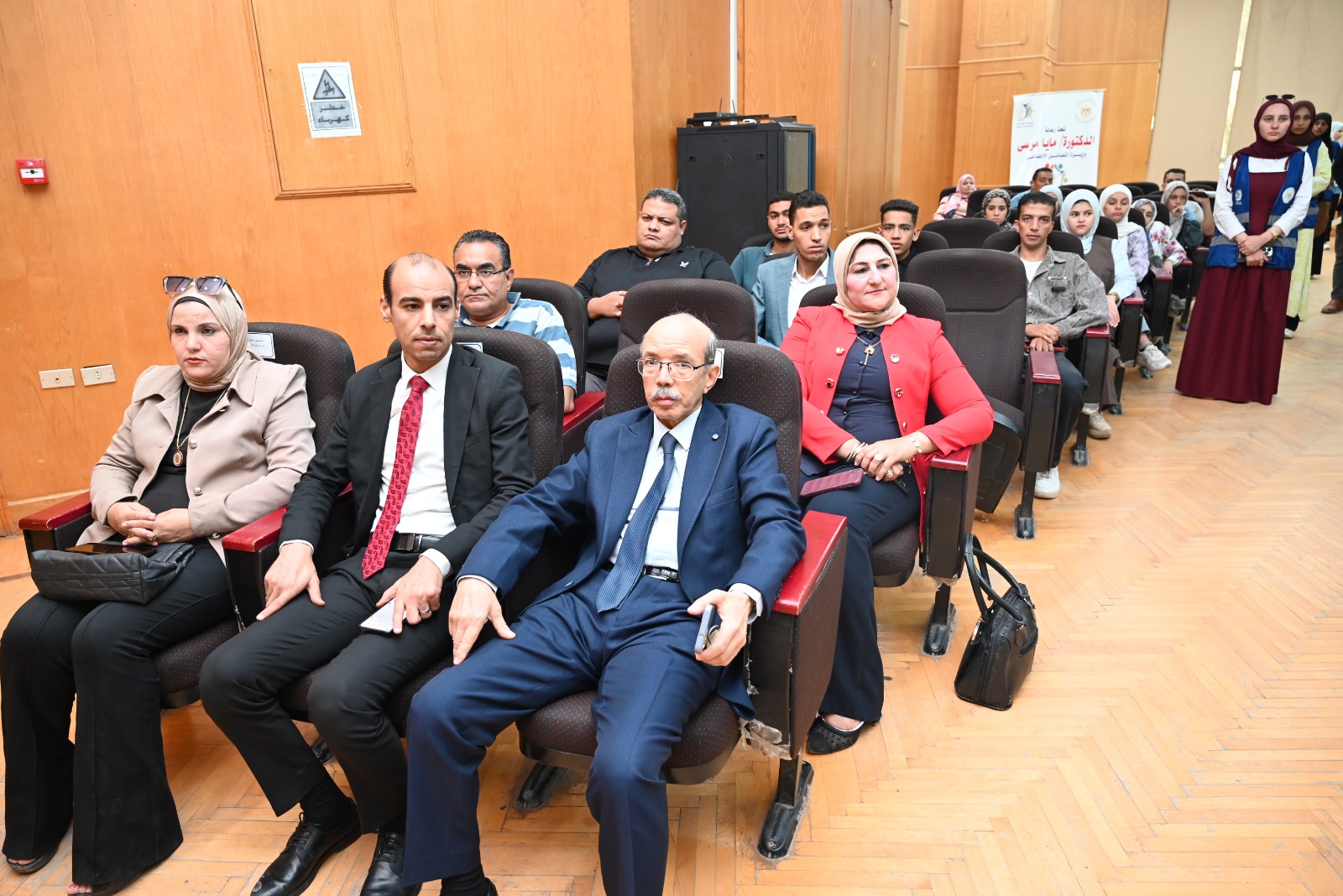
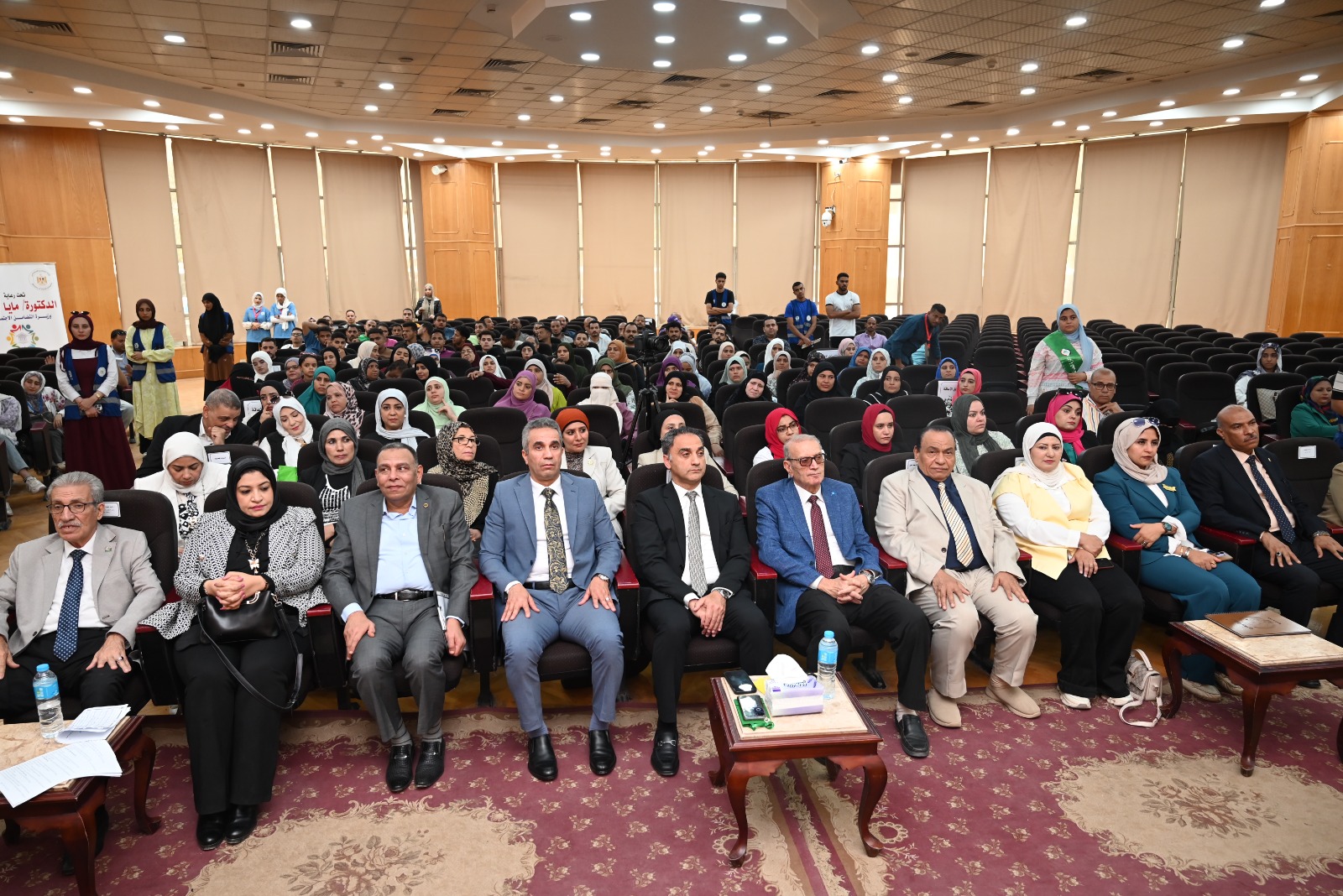
event took place on Sunday, October 4, 2026, at the University’s Central
Library. Attendees included Brigadier General Mohamed Samir, former Military
Spokesperson for the Armed Forces; Prof. Samir Seif El-Yazal, Former Governor
of Beni Suef; Brigadier General Hany Rashad, Head of the "Watani"
Initiative; Dr. Alaa El-Ashiry, Head of the Dental Syndicate; Dr. Alaa Shilaby,
Head of the Agricultural Syndicate; Mr. Ahmed Sabry El-Bakbashi, former Head of
the Local Council; Dr. Nermin Atef, Director of the Archaeological Awareness
Department; Ms. Yasmine Diaa, Director General of Culture in Fayoum
Governorate; Dr. Rania Shaaban, Director of the University’s Center for the
Care and Rehabilitation of Students with Disabilities; Mr. Abdel Nasser Bakry,
Director General of the Community Service and Environmental Development Sector;
Ms. Fatma El-Zahraa Ismail, Chair of the Board of Trustees of the Zahraa
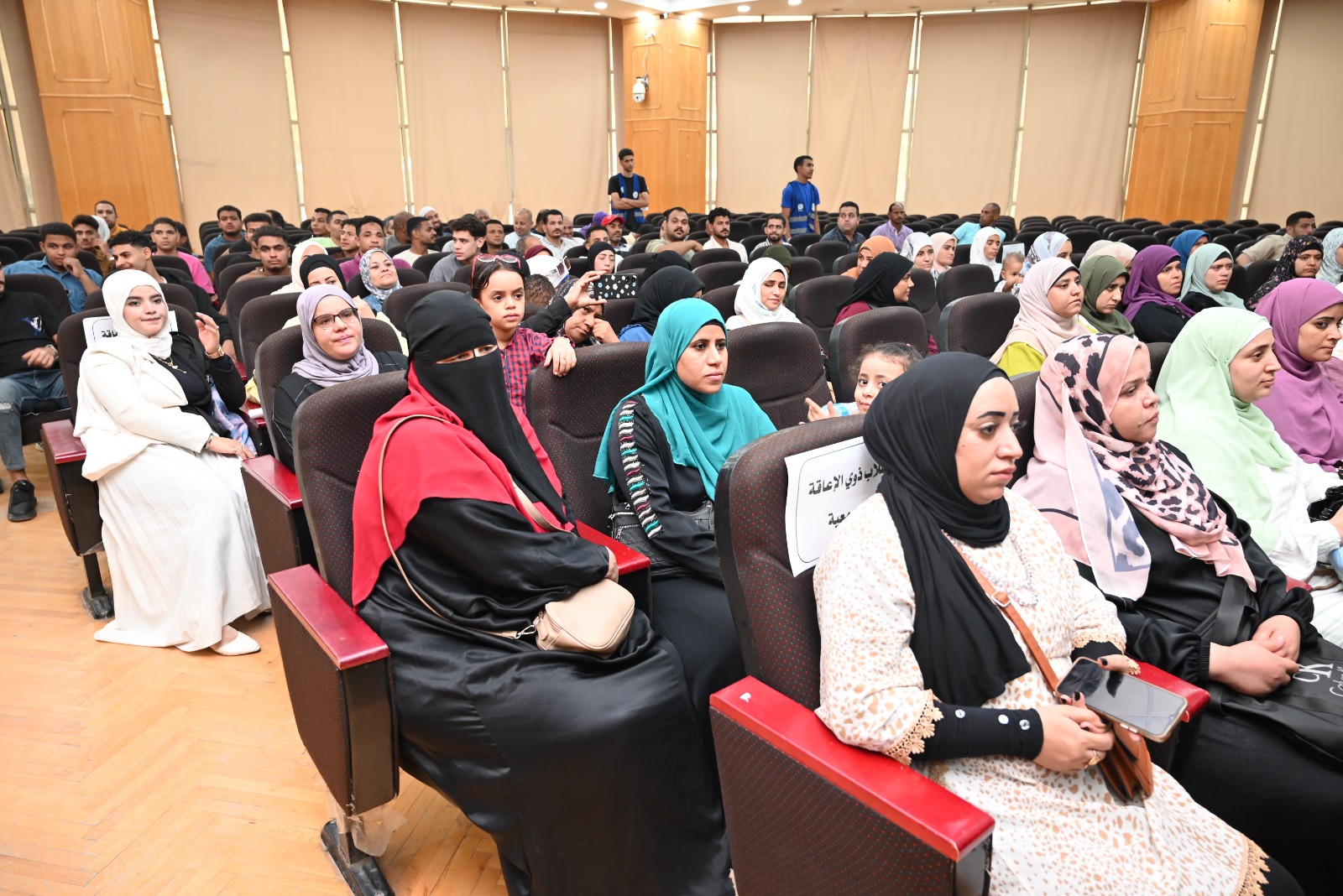
Al-Ihsan Foundation; as well as various faculty members, administrative staff,
and students.
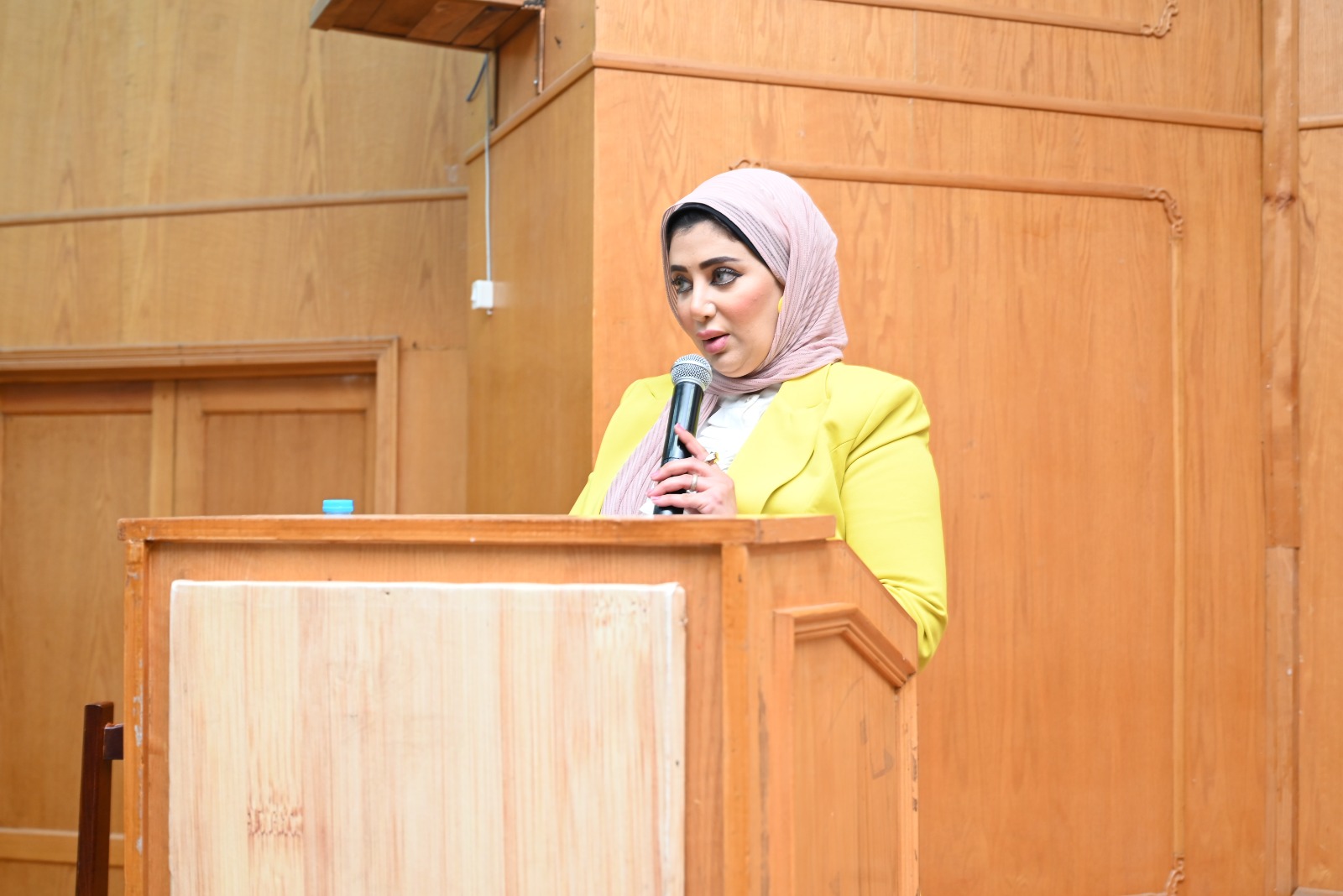
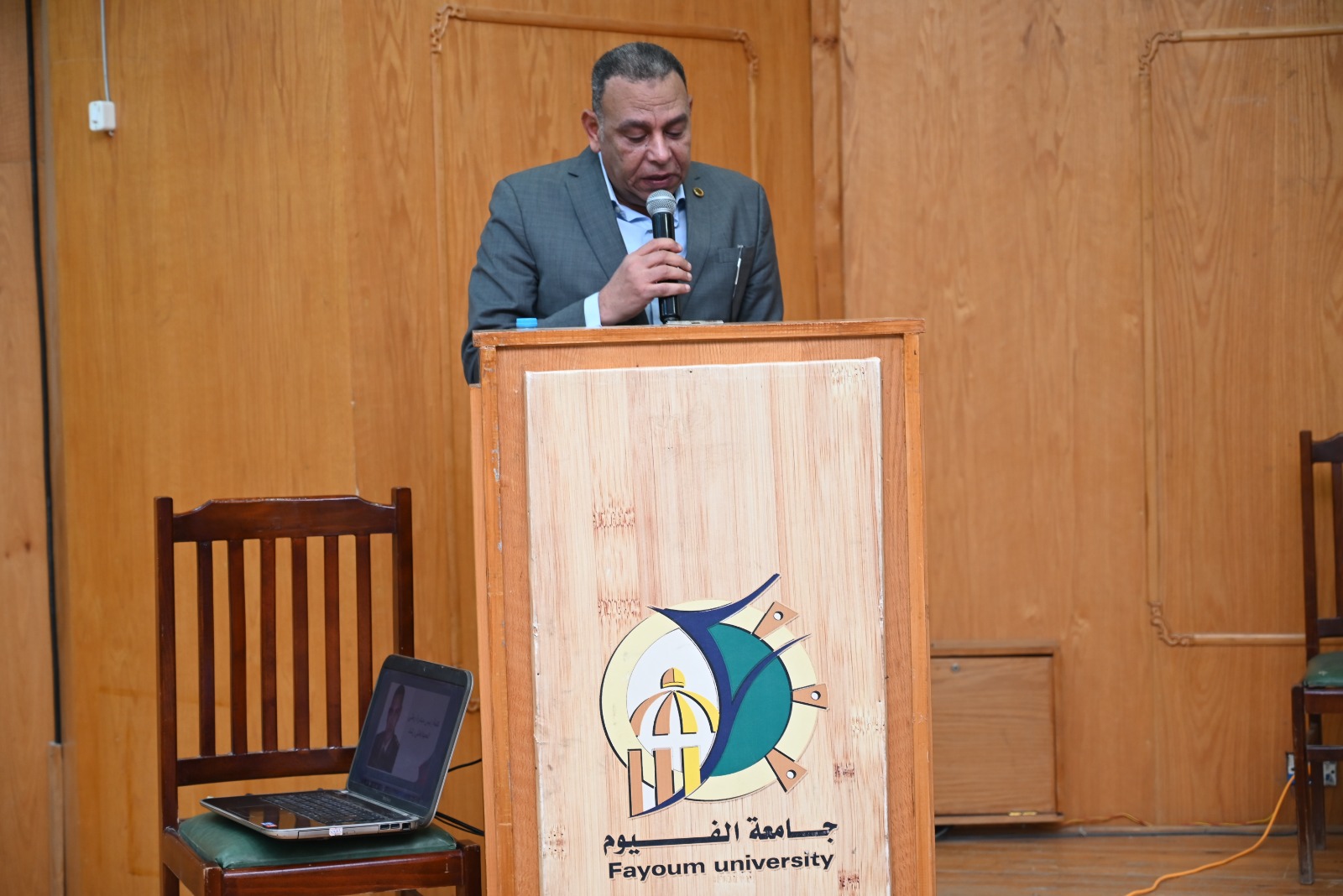
Prof. Assem
El-Essawy emphasized the university administration's support for students with
disabilities, highlighting efforts to raise their awareness and educate them
about Egypt's cultural and historical landmarks, alongside initiatives to
promote and boost Egyptian tourism at both local and international levels.
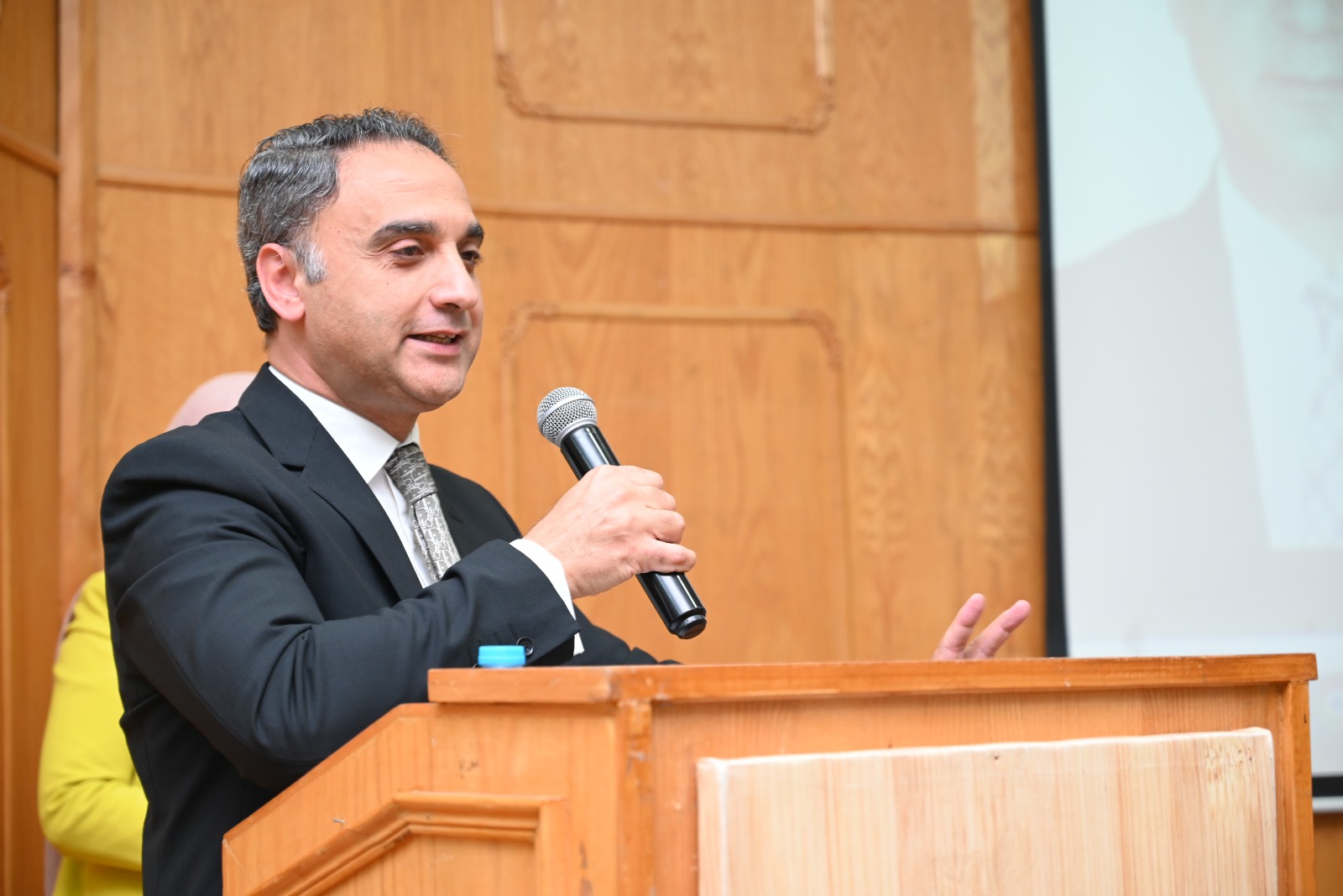
Brigadier General Hany Rashad discussed the New Administrative Capital—one of
Egypt’s most prominent modern urban and administrative development
projects—which aims to alleviate pressure on Cairo by relocating various state
institutions and ministries. He outlined the capital's diverse zones—including
government, residential, financial, and commercial districts—and highlighted
key landmarks such as the Iconic Tower, the Green River, the Mosque of Egypt,
the Cathedral, and the Government District. These elements reflect Egypt's
strategic shift toward establishing modern, smart cities and advancing
infrastructure development.
He also
shed light on "The Octagon"—the Egyptian state's strategic command
headquarters located within the New Administrative Capital. Named for its
octagonal architectural design, the complex houses specialized facilities for
command, control, crisis management, and communications; it spans approximately
22,000 feddans and comprises 13 strategic and logistical zones.
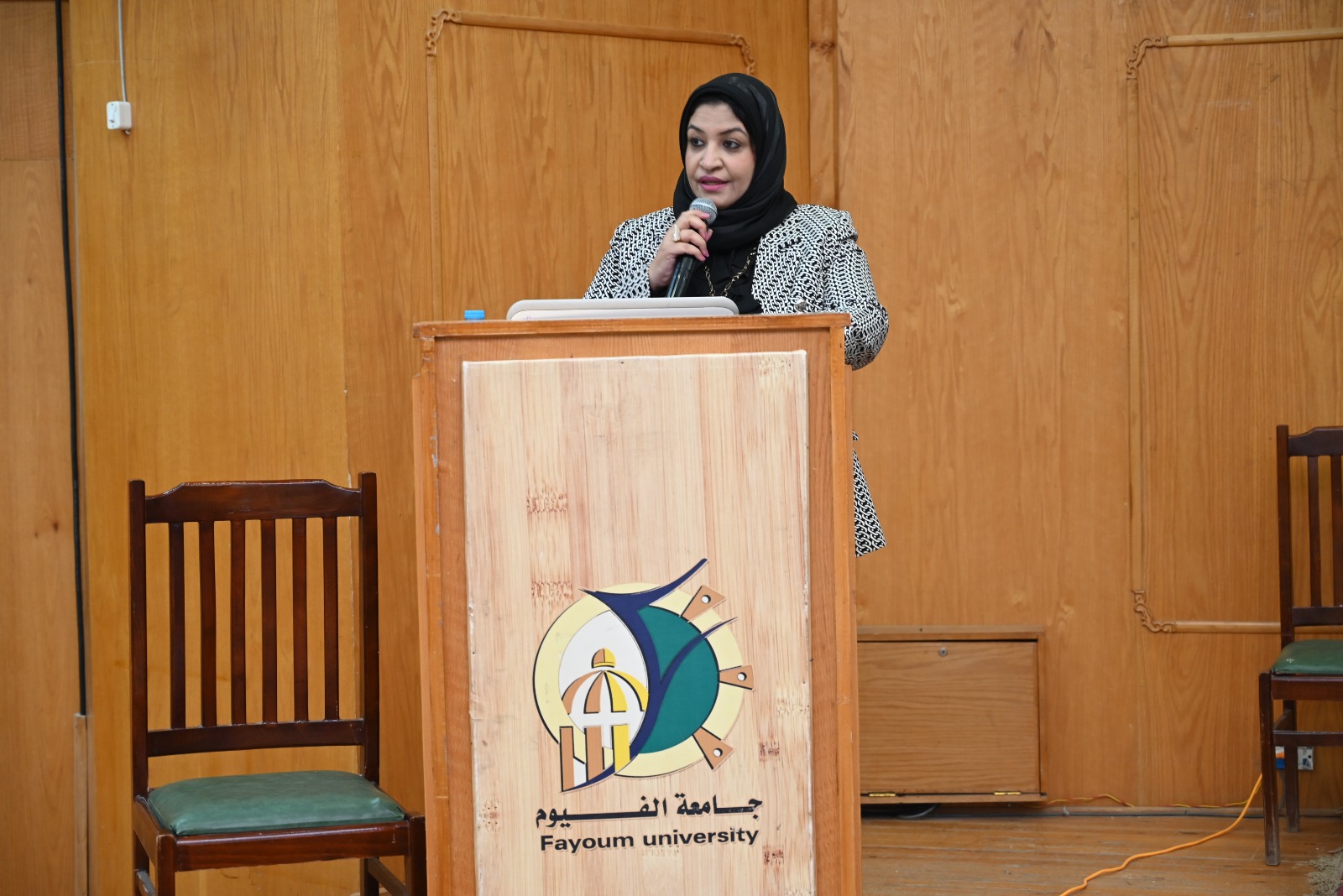
During
the seminar, Dr. Nermin Atef presented an overview of key archaeological and
tourist sites in Fayoum Governorate. She detailed the history and construction
of the Hawara Pyramid—built during the reign of King Amenemhat III—and its
associated significant antiquities. She also discussed the Lahun Pyramid,
highlighting its architectural and historical importance, as well as the Qasr
Qarun Temple, noting its unique architectural design and its connection to
ancient Egyptian astronomical knowledge. She outlined the concept behind the
Grand Egyptian Museum, its location, and its distinctive architectural design.
She highlighted its significance as one of the world's largest archaeological
museums dedicated to ancient Egyptian civilization, showcasing key
artifacts—such as the statue of King Ramses II and the Tutankhamun
collection—alongside other treasures that reflect the grandeur and evolution of
ancient Egyptian civilization throughout the ages.
She
emphasized the importance of presenting archaeological information in an
accessible manner, connecting the public to their cultural heritage, and
raising awareness about the necessity of preserving antiquities as an integral
part of Egyptian identity.
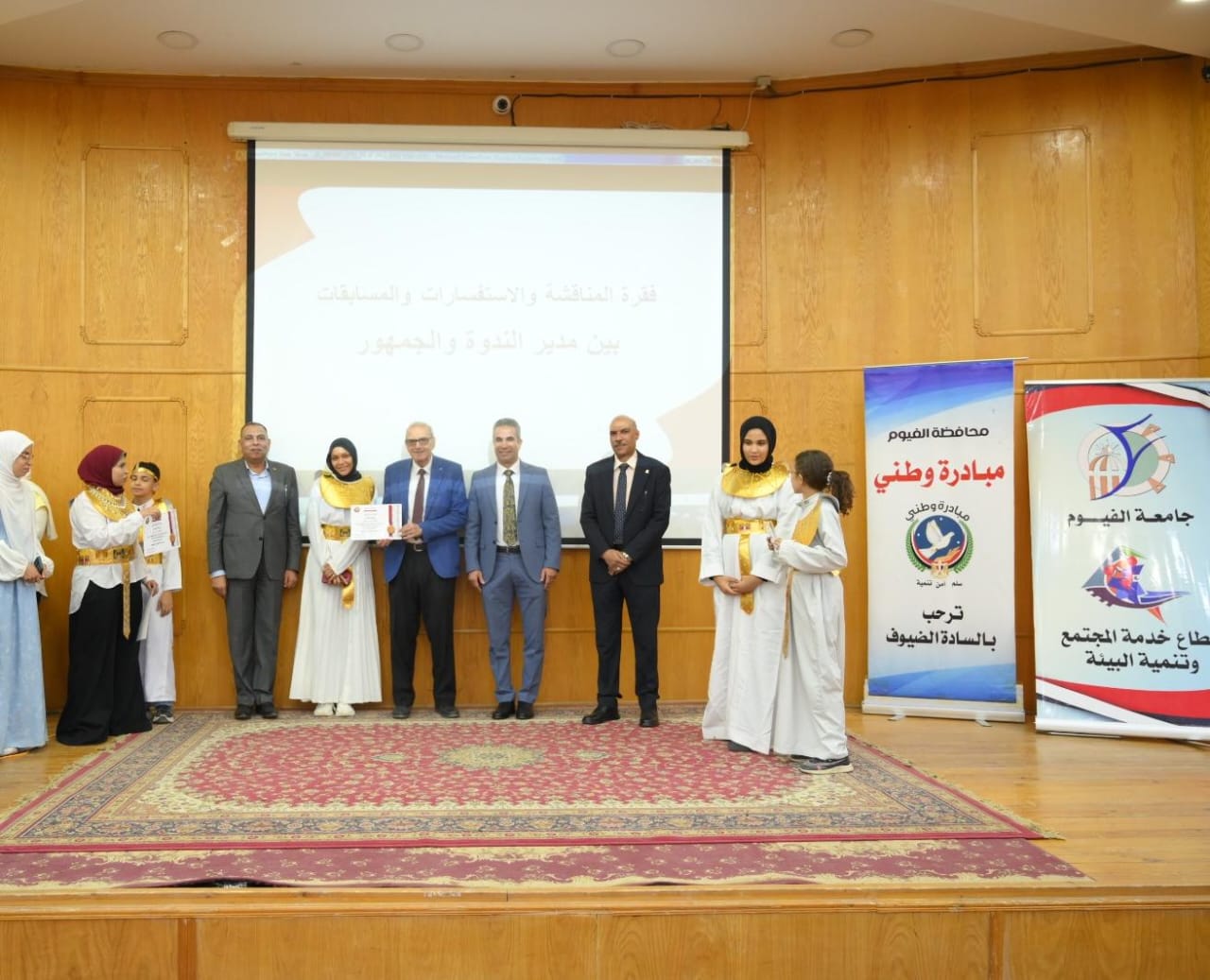
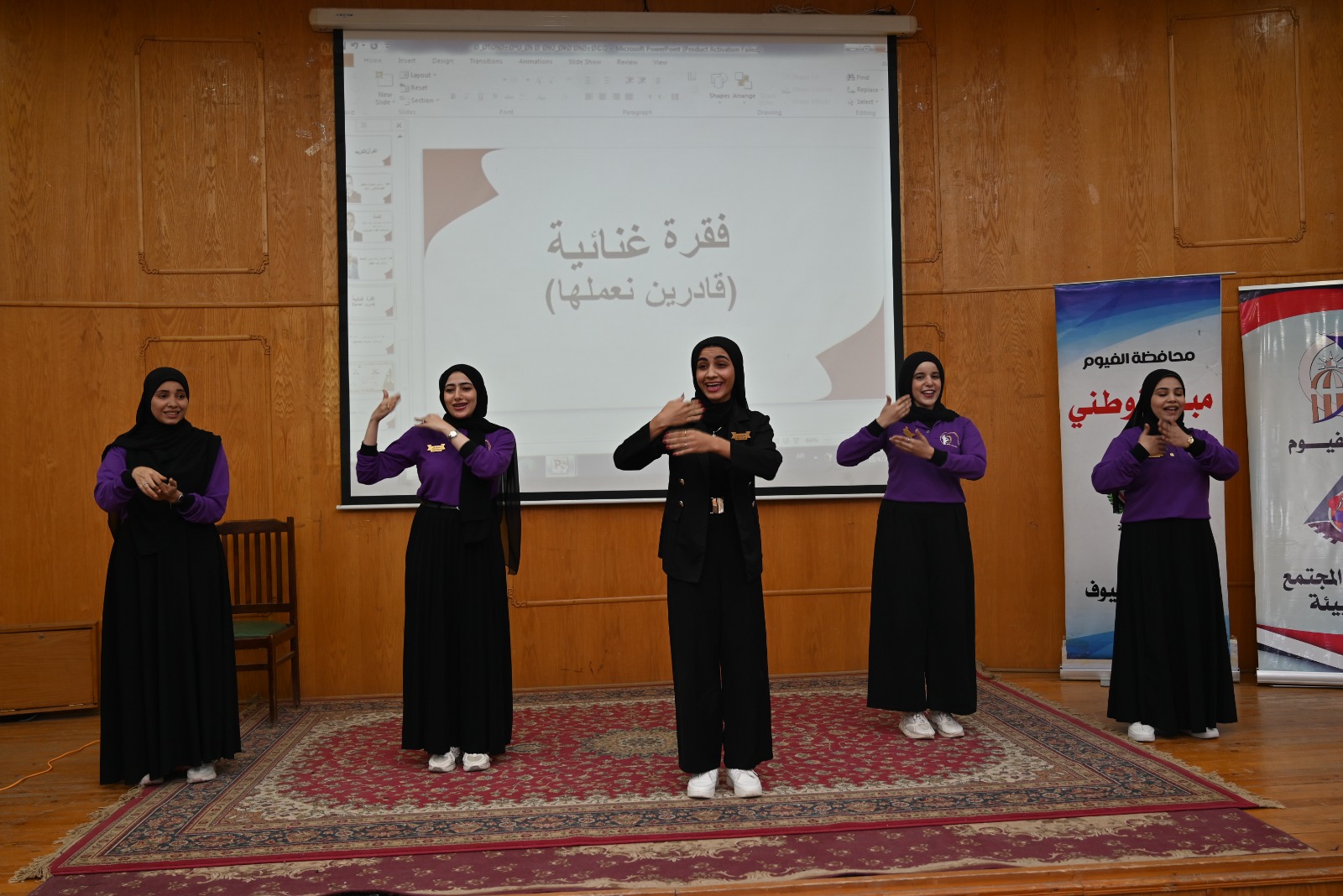
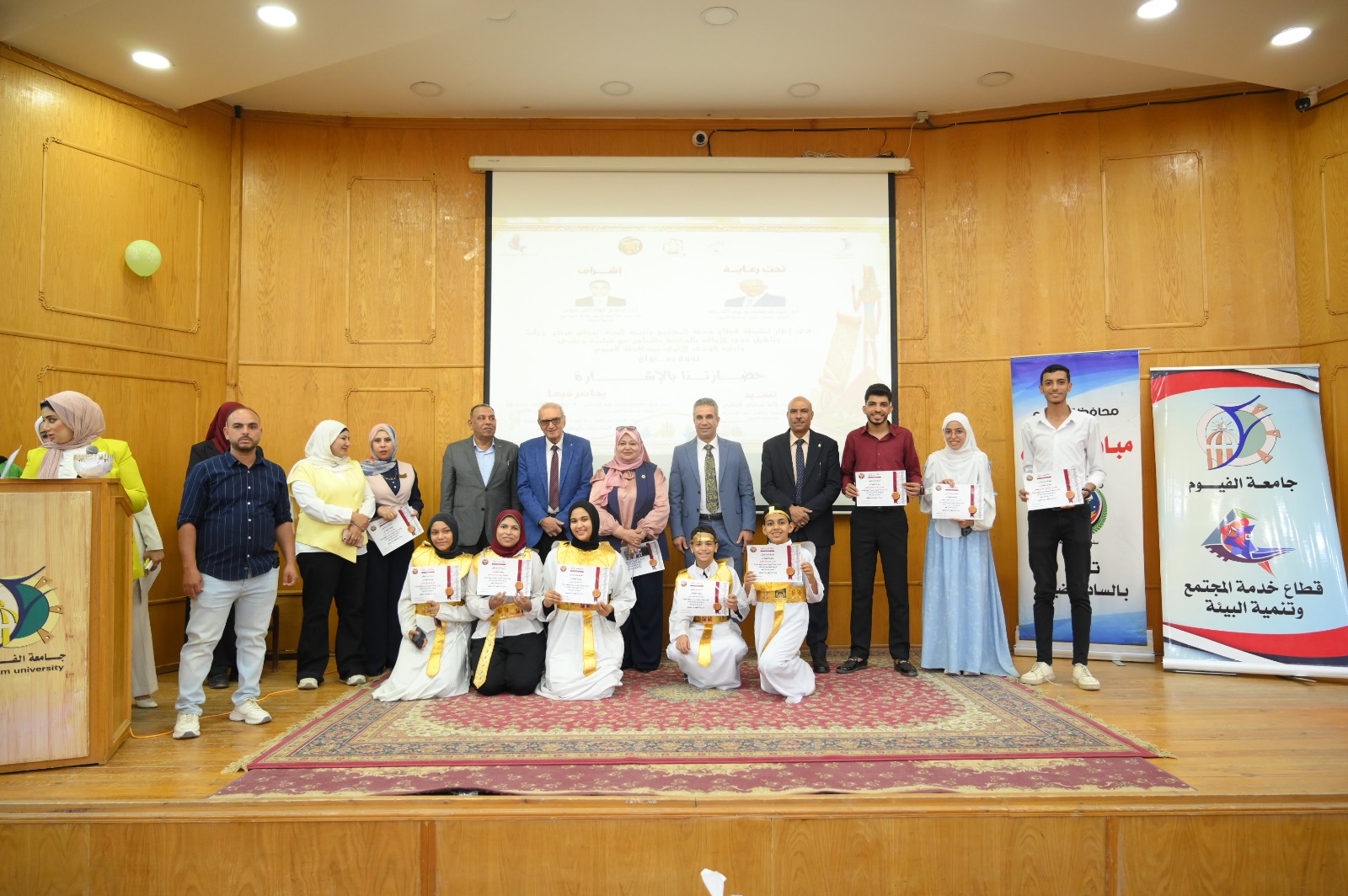
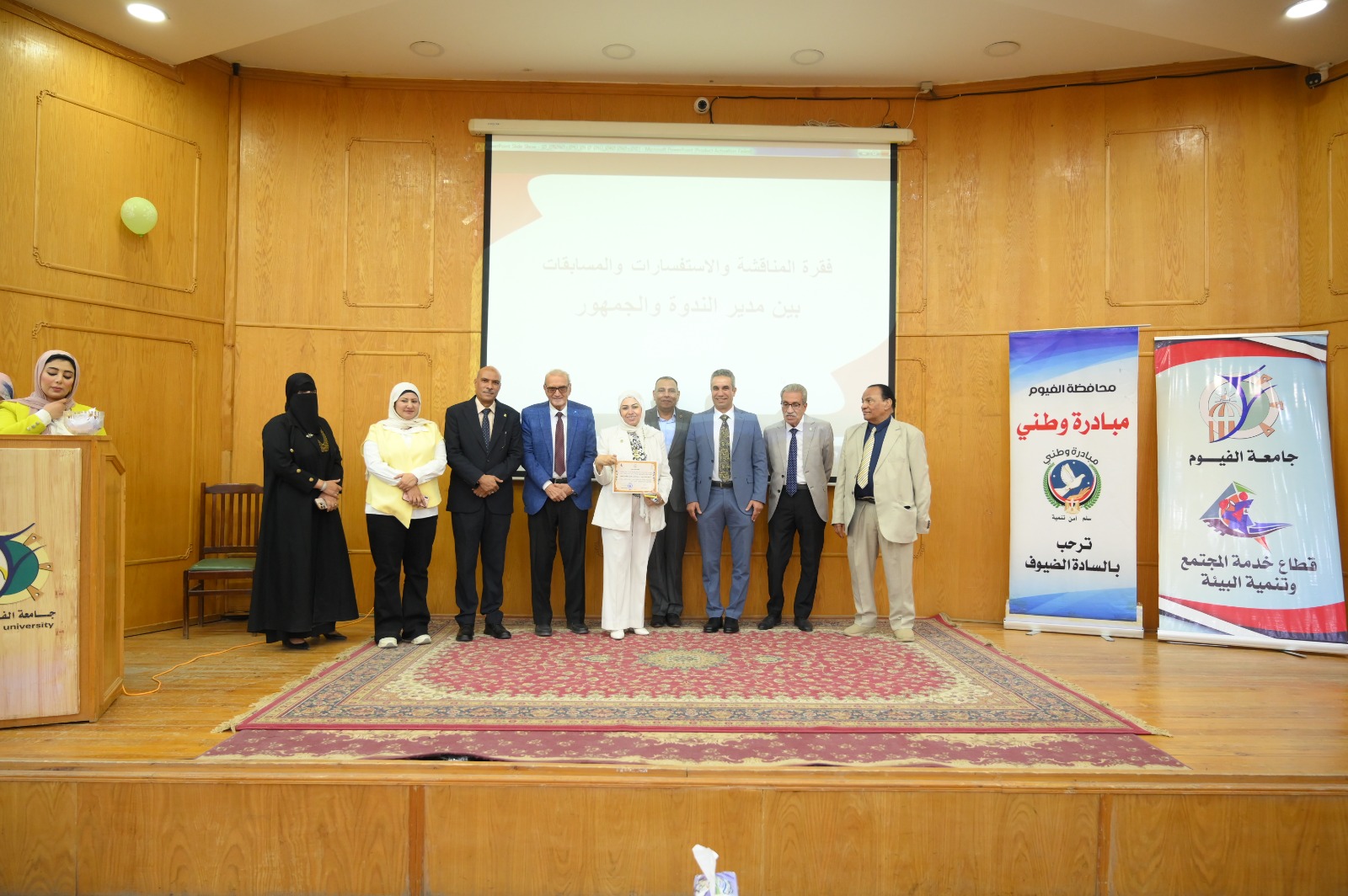
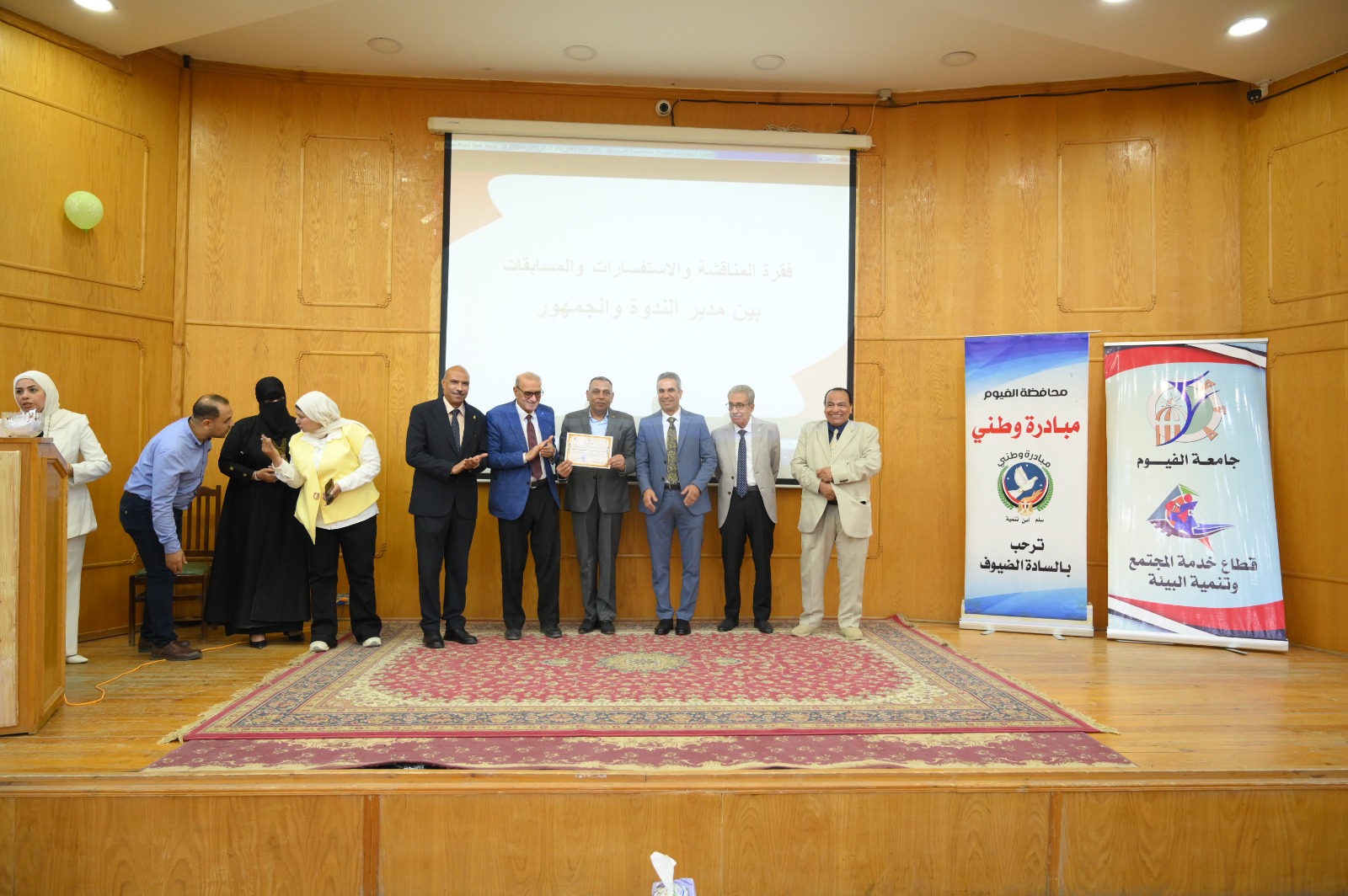
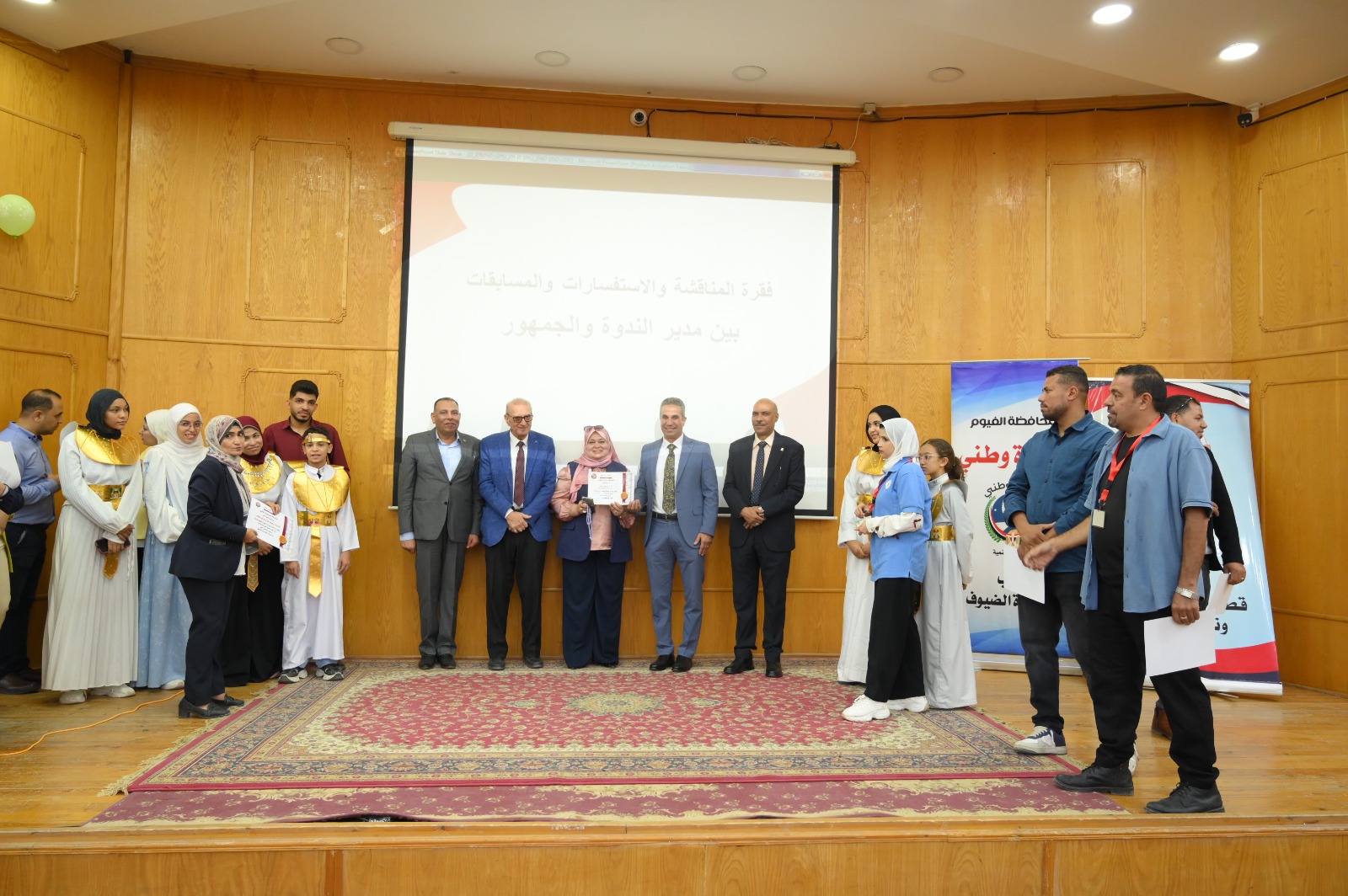
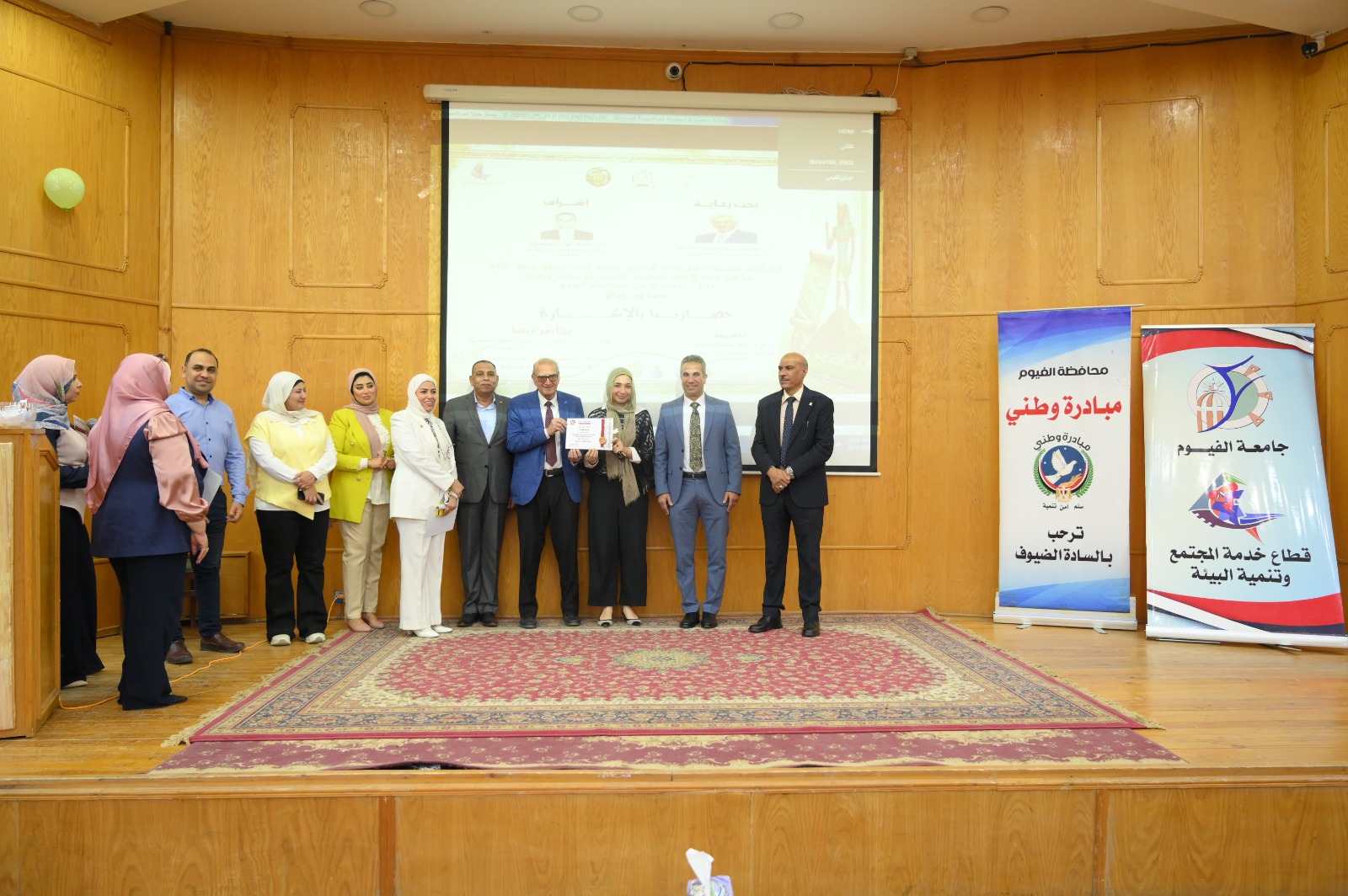
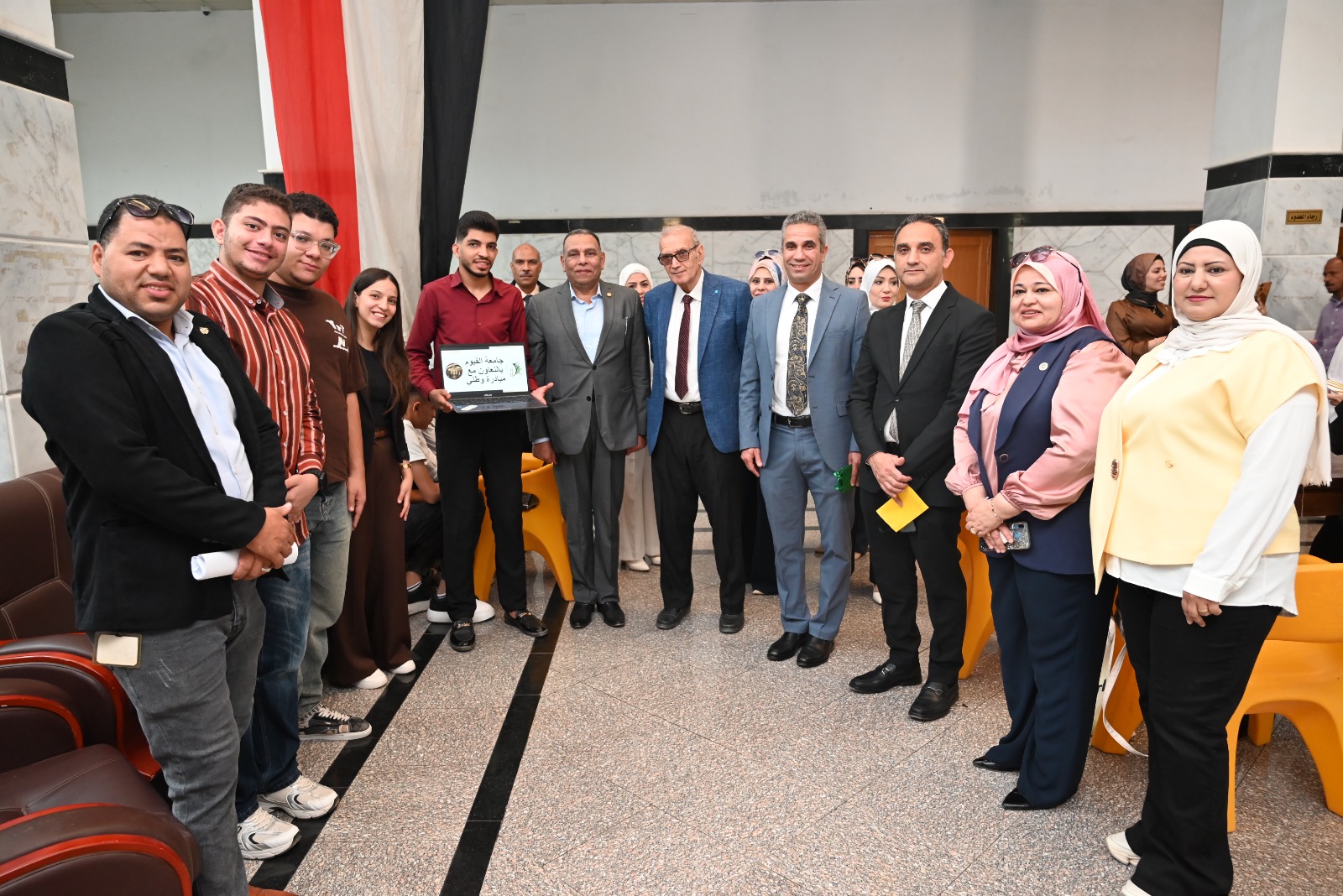
At the
conclusion of the seminar, the sign language team from the Faculty of Early
Childhood Education presented a performance, and honors were awarded to
Brigadier General Hany Rashad, Dr. Nermin Atef, several participating students,
and the organizing team.